
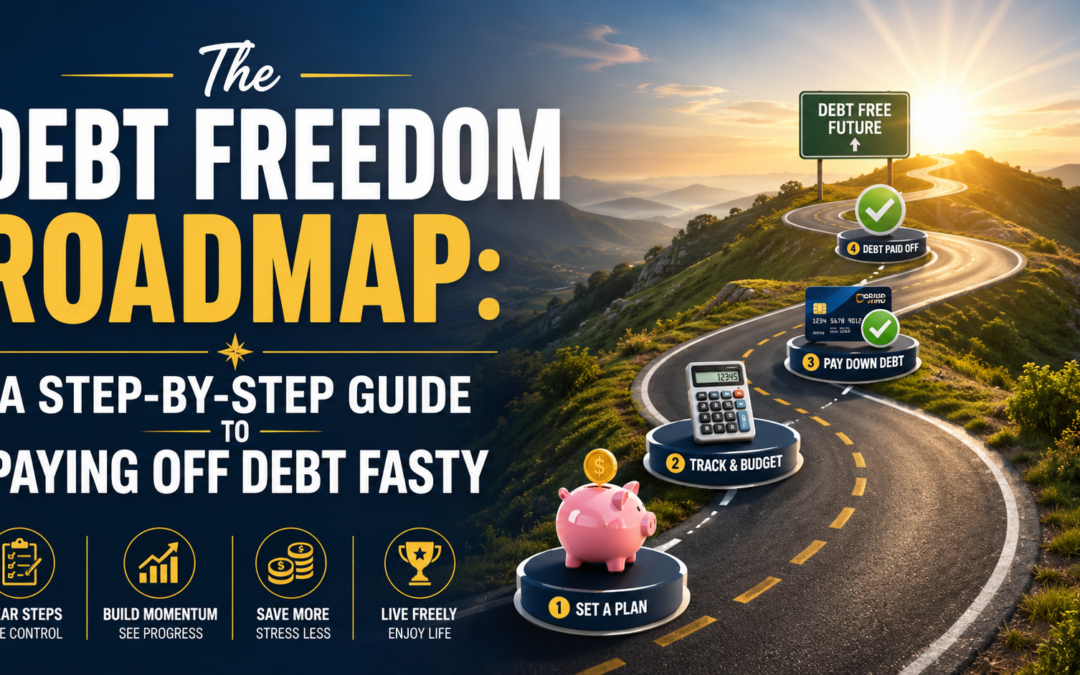
You can escape debt faster than you might expect with a plan that fits your money and your real life. This guide walks you through listing what you owe, picking the best payoff method, freeing up cash in your budget, and making payments that actually move the needle.
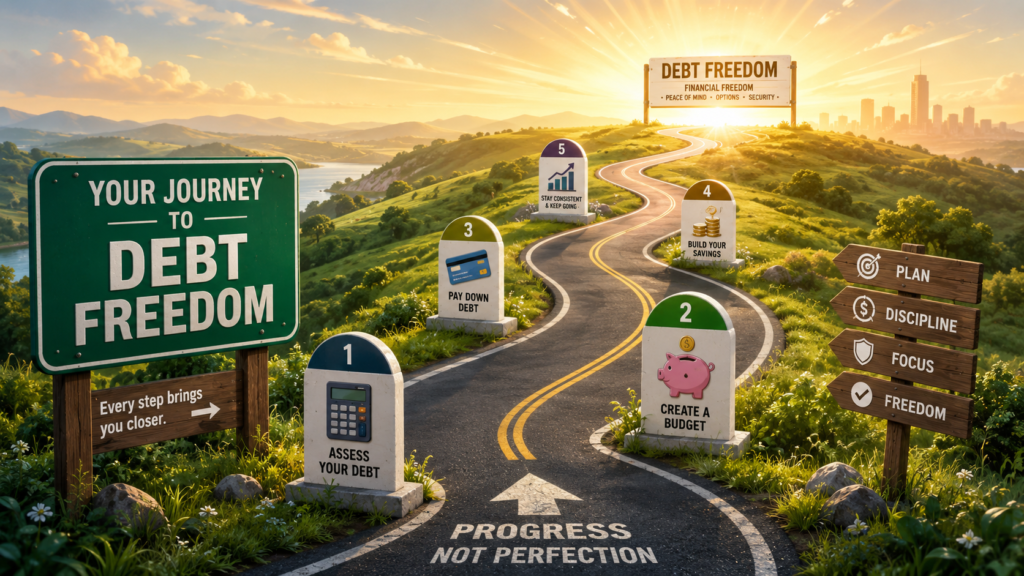
You’ll find actions you can take right now, ways to boost payments without making your budget miserable, and options if you need more serious debt relief. Stay focused, track progress, and use strategies that match your goals so you keep momentum.
Key Takeaways
- Know exactly what you owe and set a clear payoff plan.
- Adjust your budget and apply extra funds to reduce interest and time owed.
- Use the right tools and options to stay on track and rebuild financial stability.
Assessing Your Financial Situation

You need a clear picture of every debt and a way to compare debt costs to your income. Make a plan to rank which balances to tackle first.
Gather exact balances, interest rates, monthly minimums, and note how each debt affects your cash flow.
Take Inventory of Your Debts
List every debt on one sheet. Include creditor, current balance, interest rate, minimum payment, due date, and any late fees.
Cover credit cards, student loans, auto loans, personal loans, medical bills, and store cards.
Use a table or spreadsheet for clarity. Example columns: Creditor | Type | Balance | APR | Min Payment | Due Date.
This makes it easier to sort by balance or rate.
Note if any loans are in deferment or have variable rates. Mark secured debts—like auto loans—separately since those put assets at risk.
Understanding Debt-to-Income Ratio
Add up your gross monthly income (before taxes) and total monthly debt payments. Divide total minimum payments by gross income, then multiply by 100 for a percentage.
If your DTI is under 36%, lenders usually see that as fine. Over 43%? That signals strain and makes refinancing tough.
Track both housing (front-end) and all debts (back-end) DTI if you plan big moves like refinancing. Update the ratio whenever your income or payments change.
Classifying and Prioritizing Types of Debt
Group debts by type and cost: high-interest unsecured (credit cards), medium-interest unsecured (personal loans), low-interest long-term (student loans), and secured (auto loans).
Knowing the type helps you pick a repayment strategy.
Prioritize high APR balances for fastest interest savings—usually credit cards. If you need quick wins, try the snowball method: pay smallest balances first.
For pure interest savings, use avalanche: tackle highest APRs first.
Also, consider risk: secured debts can cost you your car or home, so keep those current. For student loans, check income-driven plans before paying extra.
Creating Your Debt Payoff Strategy
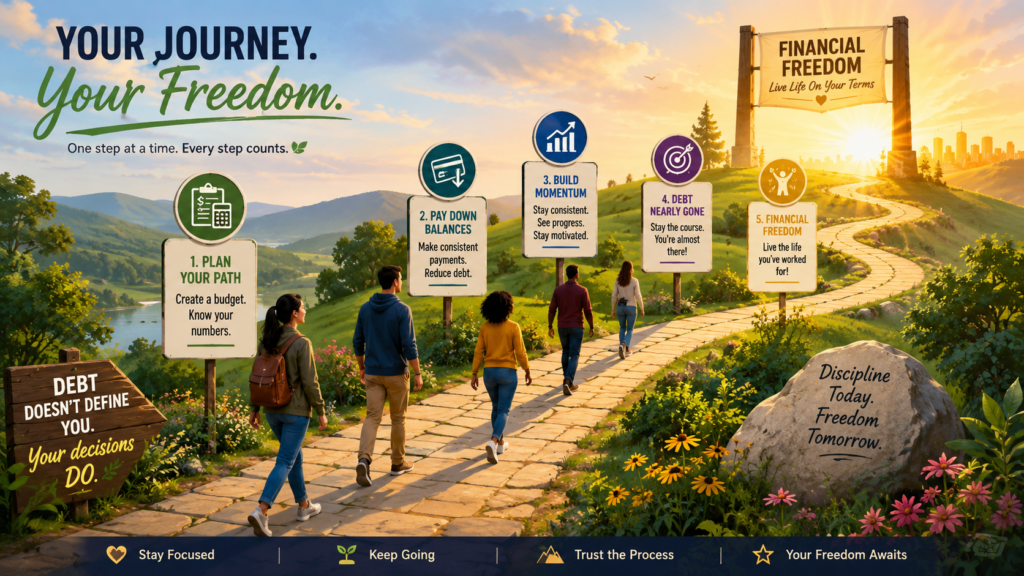
Set clear goals, pick a plan that fits your cash flow, and choose a method—snowball or avalanche—that matches your style. These steps turn vague intentions into a real plan with dates and payment amounts.
Set Realistic Goals and Milestones
Pick one clear target: a debt-free date based on your balances and how much extra you can pay monthly. Use your total debt, minimums, and extra payment to estimate a timeline.
If you owe $15,000 and can pay $400 extra each month, use an online calculator or spreadsheet to estimate payoff months.
Break the timeline into small milestones. Try goals like “reduce debt by $3,000” in 3–6 months or “pay off one card.”
Add non-spending rewards—maybe a free outing or just telling someone about your progress. Write down milestone dates and expected balances.
Check progress monthly and adjust if your income or expenses change.
Determine Your Debt Payoff Plan
List every debt with its balance, APR, and minimum payment in a table or spreadsheet. Sort and color-code by priority: red for high APR, green for small balances.
This visual helps you see where to send extra payments.
Decide how much of your monthly cash flow goes to debt after building an emergency buffer. Automate minimums plus one extra transfer for debt.
Create a simple payment schedule: date, debt name, payment, and remaining balance. Update monthly.
If you hit an unexpected expense, pause extra payments and rebuild your emergency fund before going aggressive again.
Choose Between Snowball and Avalanche Methods
Snowball: order debts from smallest to largest balance. Pay minimums on all but the smallest, then throw all extra cash at that one until it’s gone. Move to the next.
This works if you need quick wins or have lots of small balances.
Avalanche: order debts by highest APR. Pay minimums on all but the highest-rate debt and put all extra funds there.
This saves the most on interest if you can stay motivated without frequent small wins.
You can also mix it up: blast a small balance first for a win, then switch to avalanche. Pick the method that fits your mindset and goal.
Budgeting for Debt Repayment

Build a plan that matches your income and priorities, frees up cash, and tracks your progress. Here’s how to create a budget you’ll actually use, where to cut spending, and which tools make it less of a headache.
Build and Adjust Your Budget
List your monthly net income and every fixed payment: rent, loan minimums, utilities, insurance, taxes. Subtract these from your income to see what’s left for debt payments, food, and savings.
Set aside an emergency fund first—shoot for $500–$1,000 to avoid new debt. Then set a fixed extra payment toward one debt.
Track real spending for 30 days and compare it to your plan. If essentials take up too much, lower the extra payment for now and look for ways to boost cash flow.
Adjust every month. When you pay off a debt, move that payment to the next one. Recalculate after raises, job changes, or big expenses so your budget stays realistic.
Identify Budget Categories and Cut Expenses
List budget categories: Housing, Transportation, Food, Utilities, Insurance, Debt Payments, Savings, Discretionary.
Put each expense under a category. Use 50/30/20 as a rough guide, but tweak it for your life.
Find easy cuts: cancel unused subscriptions, lower streaming plans, buy generic groceries. Call providers to negotiate lower bills or switch to competitor promos.
Try one-time savings—meal prep, energy-saving bulbs, library books, or free events.
Make small changes that free up cash fast. Send every saved dollar straight to debt. Keep a simple list so you can see which cuts help most.
Leverage Budgeting Tools and Apps
Pick a budgeting tool that matches how you handle money. YNAB makes you assign every dollar a job—great if you like hands-on control.
If you want automation, use an app that syncs with your bank and shows real-time balances.
Prefer spreadsheets? Build your own: category, budgeted amount, actual spend, variance.
Set up autopay for minimums and schedule extra debt payments to avoid missing dates.
Mix and match: maybe an app for daily tracking, spreadsheet for planning. Check progress weekly and update goals monthly.
The right tools make budgeting less painful and keep your plan on track.
Accelerating Debt Repayment
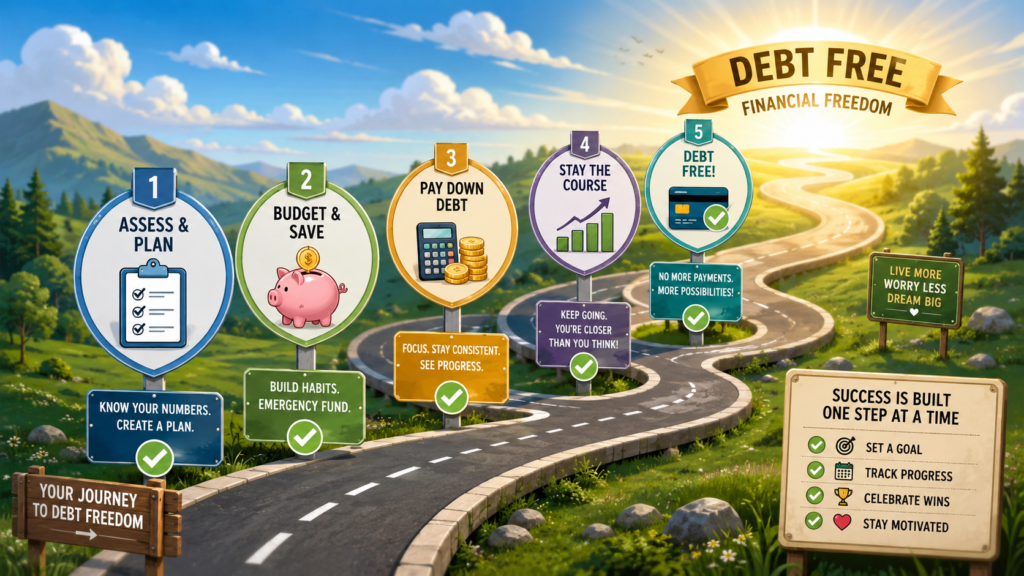
You can speed up debt payoff by adding income, selling stuff, lowering interest, and making payments automatic. Each step helps you break through barriers—more cash, less interest, fewer missed chances.
Increase Income with Side Hustles
Pick a side hustle that fits your skills and schedule. Freelance writing, rideshare, tutoring, or selling digital designs can bring in extra money pretty quickly.
Set a goal: maybe $200–$500 a month, and send that straight to your highest-interest debt.
Ask your boss for a raise if you’ve earned it. Even a small bump helps, and it might mean less time hustling on the side.
Treat side-hustle income as dedicated debt payment. Open a separate bank account or budget category so it doesn’t get lost in daily spending.
Sell Unused Items and Assets
Go through your home and find things you don’t need: electronics, furniture, designer clothes, tools. List them on local apps or online marketplaces, or hold a garage sale.
For bigger stuff—like a second car or unused equipment—get quotes from dealers or consignment shops. Compare offers so you don’t get lowballed.
Use one-time sale money to pay down the highest-interest balance.
Document each sale and immediately apply the money to your debt. Try not to replace sold stuff with new purchases—easier said than done, but it matters.
Negotiate Lower Interest Rates
Call your credit card companies and lenders to ask for lower rates. Show your on-time payment history, current balance, and mention offers like 0% balance transfers.
If they say no, ask for a supervisor or try again after your credit improves. Consider moving balances to a 0% APR card or a lower-rate consolidation loan.
Lowering your rate means more of each payment goes to principal, not interest. That speeds up your payoff and can save a surprising amount.
Automate and Optimize Payments
Set up automatic payments for at least the minimums so you never get hit with late fees. Then schedule extra payments—weekly or biweekly—at your target debt.
Smaller, more frequent payments lower your average daily balance and chip away at interest.
Target extra money at the right debt: avalanche for highest interest, snowball for smallest balance.
Label automated transfers so you can track them. Review payment dates and amounts each month.
If you get paid biweekly, match payments to your paydays. Automation helps you stay on track without having to think about it all the time.
Consolidation, Settlement, and Relief Options
You can lower monthly payments, cut interest, or reduce what you owe. Pick the option that fits your income, credit, and how quickly you want results.
Debt Consolidation Loans and Balance Transfers
A debt consolidation loan or a balance transfer credit card lets you roll several debts into one payment. With a consolidation loan, you borrow one lump sum to pay off credit cards and other unsecured debts.
You repay that loan at a fixed rate. This often means a lower interest rate and a single due date to remember.
A balance transfer card might offer 0% APR for a promotional period. You move high-interest credit card balances to the new card and pay them down while the rate is low.
But watch out for transfer fees and the rate that kicks in after the promo ends. Those can sneak up on you.
Both options work best if you have steady income and don’t rack up new charges. Always check loan terms, total interest, and any fees before committing.
If your credit isn’t great, a consolidation loan might cost more or not be available at all. If you’re not sure which way to go, talk to a credit counselor you trust.
Debt Settlement and Professional Help
Debt settlement means you negotiate to pay less than your full balance. You or a debt settlement company might stop paying creditors for a while to build up a lump sum for negotiation.
If a creditor agrees, you pay the settled amount and the account closes. But this can hurt your credit score and sometimes the forgiven debt gets taxed as income.
Only use a reputable debt settlement company if you really understand the fees and risks. You could face collection calls and even lawsuits during the process.
A debt management plan through a nonprofit credit counselor is another path. It focuses on lower interest and structured payments, not forgiving balances.
Avoiding Scams and Unregulated Services
Watch for red flags like guarantees to erase debt, big upfront fees, or pressure to stop talking with your creditors. Legitimate credit counselors usually offer free first sessions and clear fee schedules.
Debt relief scams promise fast fixes and often leave you worse off. Always verify organizations with state regulators and the Better Business Bureau.
Ask for written contracts, itemized fees, and a clear timeline. Don’t ever sign away your right to contact creditors.
If a company tells you to stop paying your creditors right away, step back and get advice from someone independent.
Staying Motivated and Overcoming Obstacles
You’ll keep momentum by tracking progress, celebrating wins, building support, and planning for setbacks. Use clear tools, small rewards, people who hold you accountable, and a simple plan for surprises.
Track Progress and Visual Motivation Tools
Use a visible tracker to show your progress. A debt thermometer or a bar chart on your fridge or phone turns balances into a goal you can see.
Update your tracker every time you make a payment. Watching the balance drop and interest fall feels good.
Combine a spreadsheet with a visual. List each debt, interest rate, minimum, and payoff date, then color-code paid balances.
Add a running total for “debt eliminated” this month and year. Weekly check-ins help you log payments and see interest saved.
Visuals help when the math feels slow. They make small wins real and keep you focused on the next payment.
Celebrate Wins and Use Reward Systems
Set short-term milestones and tie a low-cost reward to each one. For example: pay off $500 and have a movie night at home; close one debt and treat yourself to a modest dinner out.
Keep rewards small so you don’t undo your hard work. If you like structure, try a point system: assign points for extra payments, sticking to budgeted meals, or boosting your emergency savings.
Redeem points for planned treats. Log rewards in your tracker so they feel earned, not random.
This keeps motivation steady and helps prevent impulse splurges that set you back.
Find Accountability and Support
Pick an accountability partner or group you trust. Tell them your balances and targets, and set a regular check-in—weekly or every other week.
Share specific steps you’ll take before each check-in. Join a community—online forums, local groups, or a buddy with similar goals.
Swap tips, celebrate victories, and post progress screenshots (mask details for privacy). An accountability partner can help you stick to budgets and avoid high-risk purchases.
If you prefer structure, hire a coach for a short time to set milestones and review your plan. The real key is regular, honest updates and actionable next steps.
Handle Setbacks and Unexpected Expenses
Expect surprises and build a small emergency fund first. Try for $500–$1,000 to cover sudden costs without adding debt.
If you face a big expense, pause extra debt payments and use your emergency fund instead. When a setback happens, update your tracker and adjust your payoff dates—not your commitment.
Recalculate your timeline and pick one immediate step: cut a variable expense, sell something, or pick up a short gig to cover the gap.
If you have to use credit, set clear terms: how much, repayment date, and which budget item will cover it. After the crisis, rebuild your emergency savings first.
Protecting and Rebuilding Your Financial Future
Start by building a safety net, repair any credit damage, and set habits that keep you from slipping back into debt. Focus on specific accounts, credit actions, and plans that support a lasting debt-free life.
Build Emergency and Savings Funds
Open a dedicated emergency account and aim for 3–6 months of essential expenses. Use a high-yield savings or money market account to earn better interest while keeping the money accessible.
Transfer a fixed amount each payday—set an automatic transfer of at least 5–10% of your net pay until you reach your goal. Keep this money separate from checking to avoid dipping into it.
Label the account “Emergency Fund” and track it monthly. Once you hit your emergency goal, start a short-term savings bucket for planned expenses (car repair, annual insurance) and then an investment account for longer-term goals.
Improve Your Credit Score
Check your free credit reports from all three bureaus and dispute any errors right away. Pay every bill on time—payment history matters most for your credit score.
Keep credit utilization below 30%, or even better, under 10%. Pay down balances and ask for credit limit increases on accounts with low balances.
Bring past-due accounts current, pay down the highest-utilization cards first, then keep up steady on-time payments. If your score is very low, consider a secured card or a credit-builder loan.
Monitor your score monthly and avoid new hard inquiries unless you need them for a better loan.
Plan for a Debt-Free Future and Avoid Relapse
Set clear financial goals with dates and dollar amounts—like paying off student loans by a certain date or saving for a down payment. Create a realistic budget that includes debt payments, savings, and regular investing.
Use automatic transfers: one for bills, one to your emergency or high-yield account, and one to investments. Set up guardrails: limit new credit cards, freeze unused accounts, and use a simple “30-day rule” for nonessential purchases.
Celebrate milestones, but avoid splurging. Redirect freed-up payment amounts into savings or investments to keep building momentum.
Frequently Asked Questions
This section gives practical answers you can use right away. It covers tactics to speed up payments, make a budget that works, pick which debts to attack first, weigh consolidation, protect your credit score, and stay motivated.
What strategies can help accelerate paying off debt?
Pick one repayment plan and stick with it. Use the avalanche method to save the most interest by paying highest-rate debts first, or use the snowball method to build momentum by knocking out the smallest balances.
Move extra money to the debt you’re targeting. Use side income, one-time windfalls, or cuts from nonessentials and throw those funds at your principal.
Lower interest where you can. Negotiate rates, transfer balances to a 0% intro card if you can pay it off during that period, or refinance high-rate loans.
How can I create an effective budget to manage my debt?
Start with your net monthly take-home pay and list fixed expenses first: rent, utilities, insurance, loan minimums. That shows you what you have left for debt paydown.
Track variable spending for a month to spot quick cuts like subscriptions or dining out. Set a specific extra amount for debt each month and automate it so payments happen without extra thought.
Use a simple rule: urgent essentials first, then minimum payments, then extra toward your chosen debt. Update the budget monthly and adjust as balances fall.
What are the best methods to prioritize different types of debts?
Compare interest rates and balances. If interest cost matters most, tackle high-rate debts (credit cards, payday loans) first. If motivation matters, pay off small-balance accounts for quick wins.
Keep all accounts current to avoid fees and collections. Always pay at least the minimum on all debts each month while directing extra money to your priority target.
For special cases: secured debts (car, mortgage) can risk repossession or foreclosure, so don’t let those fall behind. Student loans may offer income-driven options, so check those before aggressive moves.
Is it beneficial to consolidate debt and how does it work?
Debt consolidation can help if it lowers your interest rate or cuts your monthly payments into one predictable bill. You can do this with a personal consolidation loan or a balance transfer credit card.
Check fees, intro periods, and the post-intro rate. Consolidation can simplify payments, but it won’t help if you keep adding new debt—so pair it with a strict budget.
What role does credit score play in the debt repayment process?
Your credit score affects the interest rates and loan options you get. A higher score can qualify you for better consolidation loans or credit card offers.
Make on-time payments, lower your credit card utilization, and avoid new hard inquiries unless you really need them. Improvement takes months, so start good habits now.
How can I maintain motivation throughout my debt repayment journey?
Set some clear, short-term milestones. When you hit one, treat yourself to a small reward—something affordable, nothing wild.
It’s weird how much a visual tracker helps. Try using a chart or an app so you can actually watch your balance drop.
Every month, take a look at your budget and goals. Celebrate the little wins and tweak your plans if life throws you a curveball.