
A healthy savings account balance depends on your personal financial goals and expenses, but a good rule of thumb is to have enough money to cover three to six months of living costs. This gives you a financial cushion for emergencies like job loss or unexpected expenses without needing to borrow money. How much you save might change based on your situation, but having this safety net is key to financial stability.

Besides the amount, the quality of your savings account matters too. Look for accounts with low fees and decent interest rates to help your money grow over time. You also want an account where you can access funds easily when you need them.
If you’re using special accounts like Health Savings Accounts (HSAs), it’s important to balance current medical costs with long-term savings and investment opportunities. Understanding how these accounts work can help you get the most out of your savings, both now and in the future.
Key Takeways
- Keep enough money saved to cover several months of essential expenses.
- Choose savings accounts with good interest rates and low fees.
- Use special accounts wisely to meet both short-term and long-term needs.
Defining a Healthy Savings Account Balance
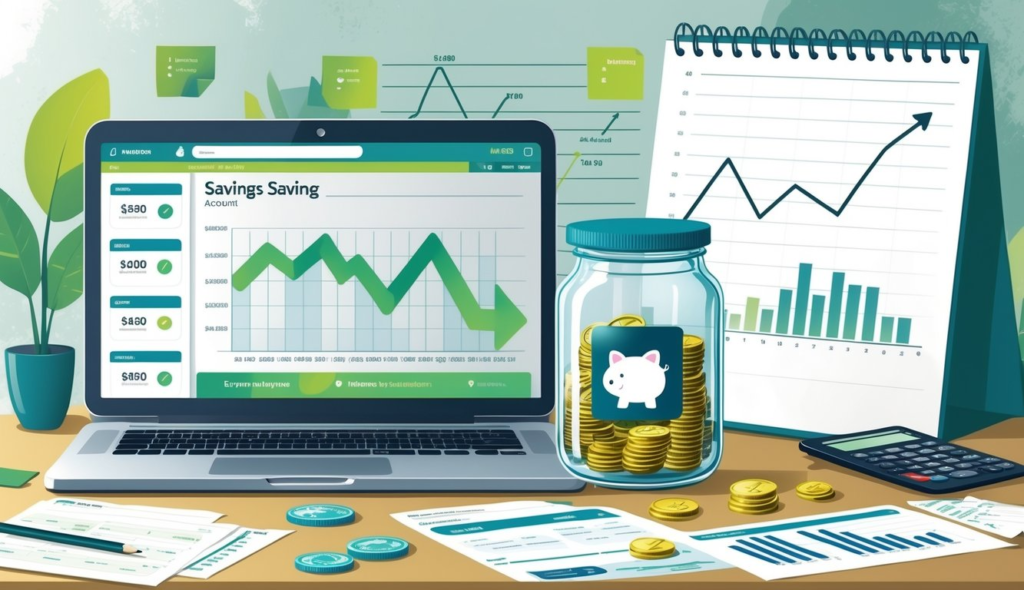
A healthy savings account balance means having enough money to cover your needs and adapt to changes in your life. It depends on goals, expenses, and how well you manage your money. Knowing what to aim for helps you build security and avoid unnecessary fees.
Benchmarks for Savings Account Balances
Experts generally suggest keeping enough money saved to cover 3 to 6 months of your essential living expenses. This means adding up things like rent, utilities, groceries, and transportation. If your monthly costs are $2,000, a healthy balance would be between $6,000 and $12,000.
Banks or credit unions may require a minimum balance to avoid monthly fees, often between $50 and $100. You should keep your savings above this level to prevent losing money to fees and to help your balance grow steadily.
Factors Influencing Ideal Balances
Several factors affect what a healthy balance looks like for you. Your monthly expenses are the starting point, but things like job stability, health, and family needs matter too. If your income is irregular, aim for a larger cushion.
Life plans also influence your target. Planning to buy a house or for emergency medical costs means you need more saved. Some accounts, like health savings accounts (HSAs), have specific rules and purposes. Your personal risk comfort level should also guide your target.
Building a Nest Egg Effectively
To grow your savings, start by setting clear goals and contributing regularly, even if it’s a small amount. Treat your savings like a budget category, not just leftover money.
Use financial institutions that offer accounts with no or low fees and easy access. Automate deposits if possible. Avoid spending your emergency fund unless it’s an actual emergency. Over time, keeping your balance healthy helps you avoid debt and maintain financial stability.
Understanding Health Savings Accounts (HSAs)
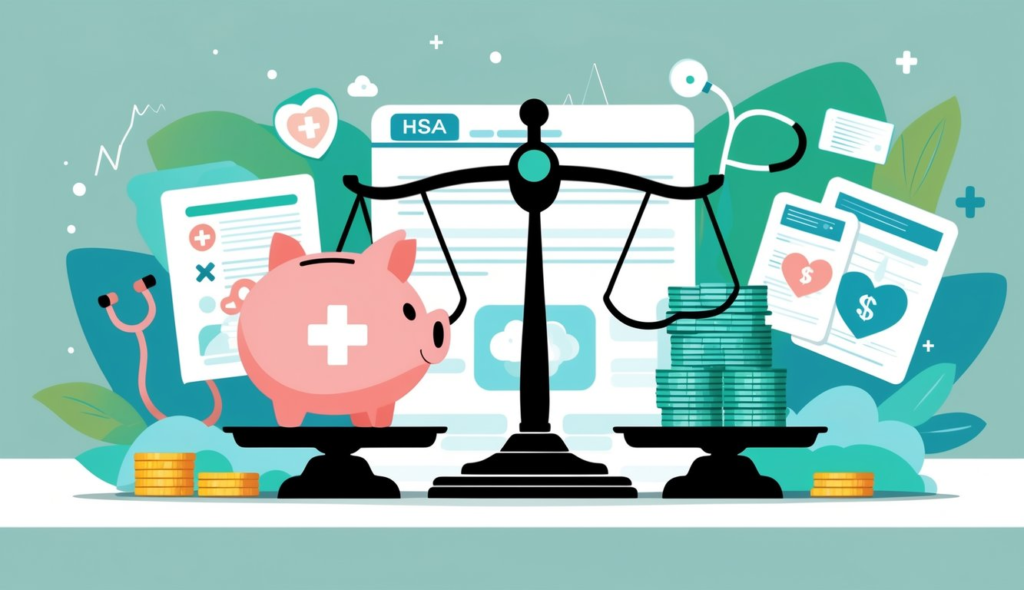
A Health Savings Account (HSA) helps you save money for medical costs in a tax-advantaged way. It works with certain health insurance plans and has rules about who can open and use one. Knowing these details will help you decide if an HSA fits your financial and healthcare needs.
What Is a Health Savings Account?
An HSA is a special savings account linked to a high-deductible health plan (HDHP). You can put pre-tax money into it, which lowers your taxable income. The money in your HSA grows tax-free and can be withdrawn tax-free for qualified medical expenses like doctor visits, prescriptions, dental work, and eyeglasses.
Unlike regular savings accounts, HSAs are designed to save for health costs now and in retirement. If you don’t use the funds right away, they carry over year to year without any penalty. You can also invest your HSA money to help it grow.
Eligibility Criteria for HSAs
To open and contribute to an HSA, you must be enrolled in a qualified HDHP that meets IRS standards for deductible amounts and out-of-pocket limits. You cannot be covered by another non-HDHP health plan, enrolled in Medicare, or claimed as a dependent on someone else’s tax return.
Your employer might also offer HSA contributions, which add extra funds to your account. Remember, you and your employer combined cannot contribute more than the IRS limits, which are updated yearly.
HSAs vs Traditional Savings Accounts
HSAs differ from traditional savings accounts in several ways. First, contributions to HSAs reduce your taxable income, and withdrawals for medical expenses are tax-free. Traditional savings accounts have no tax benefits.
HSAs require you to have an HDHP to qualify, while anyone can open a regular savings account. HSAs also allow you to invest funds, potentially earning returns on your balance. Traditional accounts usually pay low interest without tax advantages.
Lastly, money in an HSA rolls over each year and stays yours even if you change jobs, unlike some employer benefits. This makes an HSA a flexible, long-term tool for managing healthcare costs.
Contribution Limits and Tax Advantages

Your Health Savings Account (HSA) has clear rules on how much you can put in each year. These limits depend on your health plan type and age. Also, how you contribute affects your budget and taxes. The IRS sets these limits to protect the account’s tax benefits.
Annual HSA Contribution Limits
For 2025, if you have an individual high-deductible health plan, you can contribute up to $4,300 to your HSA. If you have family coverage, the limit rises to $8,550. These amounts include any contributions your employer makes.
Keep in mind, if you contribute more than these limits, you may face tax penalties. The IRS adjusts these limits yearly to match inflation, helping your tax benefits keep pace with rising healthcare costs.
Catch-Up Contributions Explained
If you are 55 or older, the IRS allows you to add an extra $1,000 to your yearly contribution limit. This “catch-up” contribution applies whether you have individual or family coverage.
This higher limit helps you save more as you get closer to retirement. For 2025, that means you can put in $5,300 if you have individual coverage, or $9,550 if you have family coverage, including the catch-up amount.
Understanding Payroll Deductions
Many people fund their HSA through payroll deductions. This means money is taken from your paycheck before taxes are applied, reducing your taxable income.
Your per-paycheck contribution depends on how often you’re paid. For example, with a $4,300 limit and biweekly paychecks, you’d contribute about $165 every two weeks if you want to max out your HSA.
If your employer also contributes, your amount will need to be lower to stay within IRS limits. If you’re self-employed, you handle contributions directly but still benefit from the same tax rules.
Tax Benefits of HSAs
HSAs provide three key tax advantages that can save you money now and in the future:
- Contributions are tax-deductible. Money you put into your HSA lowers your taxable income immediately.
- Withdrawals for qualified medical expenses are tax-free. You won’t pay taxes on money used for eligible healthcare costs.
- Earnings grow tax-free. Interest and investment gains inside your HSA don’t get taxed.
After age 65 and upon enrolling in Medicare, you can withdraw HSA funds without penalty for non-medical expenses, though normal income tax applies in that case. This flexibility makes HSAs a useful tool for retirement planning.
Qualified and Non-Qualified Expenses
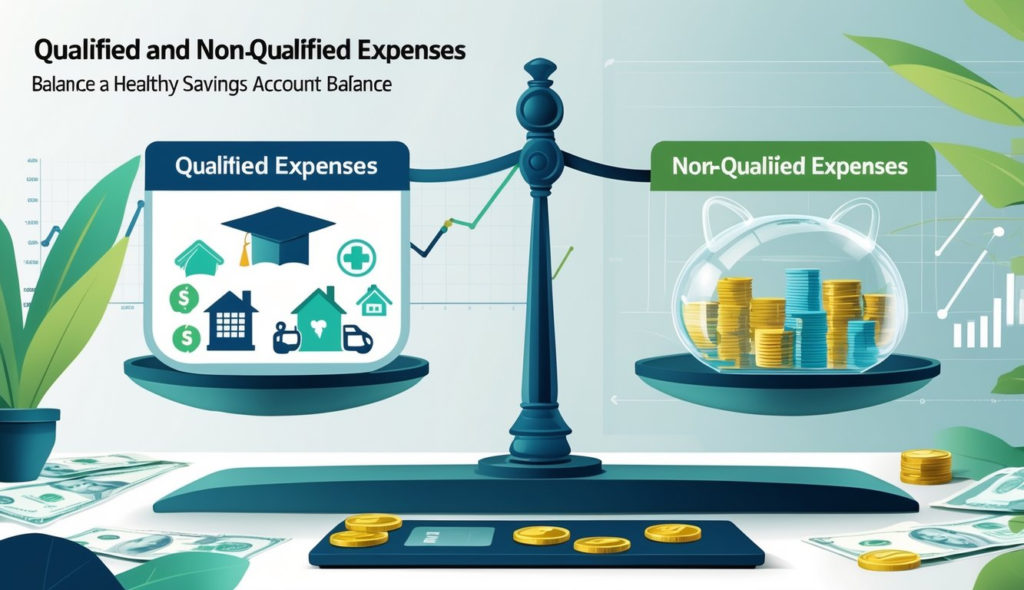
Your Health Savings Account (HSA) allows you to pay for many healthcare costs without taxes. However, not all expenses are treated equally by the IRS. Knowing which expenses are qualified can save you money and help you avoid penalties.
Examples of Qualified Medical Expenses
Qualified medical expenses include a wide range of treatments, supplies, and services related to your health. These often cover doctor visits, hospital care, eye exams, prescription medications, dental work, and certain medical equipment like blood pressure monitors. You can also use your HSA for preventive care such as vaccines and flu shots.
Other eligible items include physical therapy, hearing aids, and even some fertility treatments. The IRS allows you to pay for medical needs for yourself, your spouse, and your dependents. Using your HSA for qualified expenses means your withdrawals are tax-free, providing a clear financial benefit.
Using HSAs for Prescriptions and Surgeries
You can use your HSA funds for both prescription medications and necessary surgeries. Prescriptions, including insulin and other ongoing drugs, are fully qualified expenses. Over-the-counter medicines without a prescription became eligible under recent provisions but check specifics to avoid mistakes.
Surgery payments qualify only if the surgeries are medically necessary. Elective or cosmetic surgeries not related to health conditions are generally excluded. This applies to both inpatient surgeries and outpatient procedures. Paying with your HSA keeps distributions tax-free, as long as the surgery meets IRS guidelines.
Implications of Non-Qualified Expenses
When you use HSA funds for anything other than qualified medical expenses, you risk a tax penalty. If you are under 65, the IRS charges a 20% additional penalty on the amount spent on non-qualified expenses. Plus, the money used will be counted as taxable income.
Non-qualified expenses often include cosmetic treatments, most health insurance premiums, gym memberships, or general wellness products like vitamins without a medical diagnosis. Avoid using your HSA for these, or you may face unexpected tax bills and penalties. After age 65, you can use HSA funds for non-medical expenses without penalty, but these withdrawals will be taxed.
Comparing Health Savings Accounts, FSAs, and Traditional Plans
You have several options to manage your health care costs: Health Savings Accounts (HSAs), Flexible Spending Accounts (FSAs), and traditional health plans. Each has different rules on contributions, usage, and ownership that affect how you save and pay for medical expenses.
Differences Between HSA, FSA, and Traditional Health Plans
An HSA can only be opened if you have a high-deductible health plan (HDHP). You own the account, and the money rolls over every year with no expiration. You can also invest your HSA funds to grow savings over time. Contributions reduce taxable income, and withdrawals for medical expenses are tax-free.
An FSA is offered only through your employer. You don’t own the money—it belongs to your employer. Unused funds generally expire at the end of the plan year, though some plans allow you to carry over up to $660. FSAs work with most insurance types, unlike an HSA which requires HDHP eligibility.
A traditional health plan usually has lower deductibles but higher monthly premiums. You pay fixed insurance premiums but may face higher out-of-pocket costs with copays and coinsurance. These plans don’t offer separate accounts for tax-advantaged saving like HSAs or FSAs.
Benefits and Drawbacks of Each Account Type
HSAs offer flexibility and long-term saving. You can contribute up to $4,300 for individuals or $8,550 for families in 2025, plus a $1,000 catch-up if over 55. The tax advantages include deductible contributions, tax-free growth, and withdrawals for medical costs. However, you must have an HDHP to qualify.
FSAs allow you to put aside pre-tax money to cover health expenses without taxes. The contribution limit is lower—up to $3,300 a year in 2025. FSAs are easier to set up but come with the risk of losing unused funds if you don’t spend them before the year ends, depending on your employer; plus, the account doesn’t stay with you if you change jobs.
Traditional plans provide straightforward coverage without the need to manage savings accounts. You pay insurance premiums regularly and use the plan for doctor visits, prescriptions, and procedures. The downside is less control over tax savings and usually higher premiums, which can add up if you expect frequent medical costs.
Strategies to Maximize Savings Account Growth
Growing your savings requires careful planning and smart choices. You can increase your returns by investing funds wisely, managing how and when you withdraw money, and using strategies tailored to long-term health savings goals.
Investing HSA Funds in Mutual Funds
If you have a Health Savings Account (HSA), you can grow your money faster by investing a portion in mutual funds. These funds pool money from many investors to buy stocks, bonds, or other assets. Unlike keeping all your funds in cash, investing allows your balance to grow through market returns over time.
Focus on funds that match your risk tolerance and timeline. Mutual funds typically offer diversification, which lowers risk compared to investing in single stocks. Remember that investments carry some risk, and your account balance may fluctuate. Before investing, check if your HSA custodian offers mutual fund options. You can build a mix of funds to balance growth and safety while still using your HSA for medical expenses.
Managing Withdrawals and Avoiding Penalties
Withdrawals from your HSA should be planned carefully to avoid penalties. You can withdraw money tax-free for qualified medical expenses, including those related to your annual deductible and out-of-pocket maximum.
If you withdraw funds for non-medical reasons before age 65, a penalty and taxes apply. After 65, withdrawals for non-medical expenses are taxed but penalty-free. Keep receipts and records to prove expenses if audited.
Avoid withdrawing money unnecessarily to allow your balance to grow. Use funds only for qualified costs or save receipts to reimburse yourself later. This careful management helps keep your savings intact and growing.
Tips for Long-Term Health Savings
Building your HSA balance over time means contributing regularly and controlling expenses. Aim to cover your annual deductible and out-of-pocket maximum through savings to avoid financial stress during emergencies.
Prioritize maxing out your HSA contributions each year if possible. Automate deposits to ensure consistent growth. Look for accounts offering investment options and low fees to maximize returns.
By treating your HSA like a long-term savings tool, you protect your finances while preparing for future healthcare costs. Small, steady contributions and limited withdrawals will help you build a larger fund for both expected and surprise expenses.
Frequently Asked Questions
Your health savings account balance depends on your age, income, and healthcare needs. Knowing what to aim for at different life stages and how to grow your savings can help you manage your medical expenses now and in retirement.
How much should an individual have in a savings account at various life stages?
In your 20s and 30s, aim to save enough to cover a few months of healthcare costs, usually around $1,000 to $2,000. By your 40s and 50s, targeting $5,000 to $10,000 helps handle unexpected medical bills and prepares you for higher costs later.
If you are approaching retirement, try to build a balance that can cover multiple years of out-of-pocket medical expenses. The exact amount varies depending on your health and insurance coverage.
What are some strategies to increase the balance of your health savings account?
Contribute the maximum allowed amount each year, especially if you have family coverage. Take advantage of employer contributions if available.
Invest unused funds to grow your balance tax-free over time. Avoid spending your HSA on small medical expenses now unless necessary, allowing your savings to build for future needs.
At what age should I aim to have a certain amount in my HSA for a comfortable retirement?
By age 50, many experts suggest having saved at least one year’s worth of expected healthcare costs in your HSA. By retirement (usually 65), you may want to have enough to cover several years, possibly $50,000 or more, depending on your health and expected care needs.
Starting early and contributing consistently increases your chances of comfortable healthcare funding in retirement.
What is the average health savings account balance for individuals in different age brackets?
Average balances vary, but younger adults (under 35) often have balances below $2,000. Those in their 40s and 50s typically hold between $5,000 and $10,000. Older adults nearing retirement may have averages ranging from $15,000 to $30,000, though many have less.
Your personal goal should reflect your unique health situation and financial capacity, not just averages.
How can one determine if their savings account balance is sufficiently healthy?
Compare your balance to your expected annual out-of-pocket medical costs. A healthy balance covers at least several months of these expenses.
Also, consider your ability to contribute regularly and your access to other healthcare funds or insurance that may reduce your need for a large HSA balance.
What factors influence a ‘good’ savings account balance?
Your health status, age, type of insurance plan, and expected future medical costs all play a role. Income level and ability to contribute regularly also matter.
Additionally, investment choices for your HSA funds and employer contributions can impact how quickly your balance grows. Adjust your target based on these factors to meet your personal needs.