
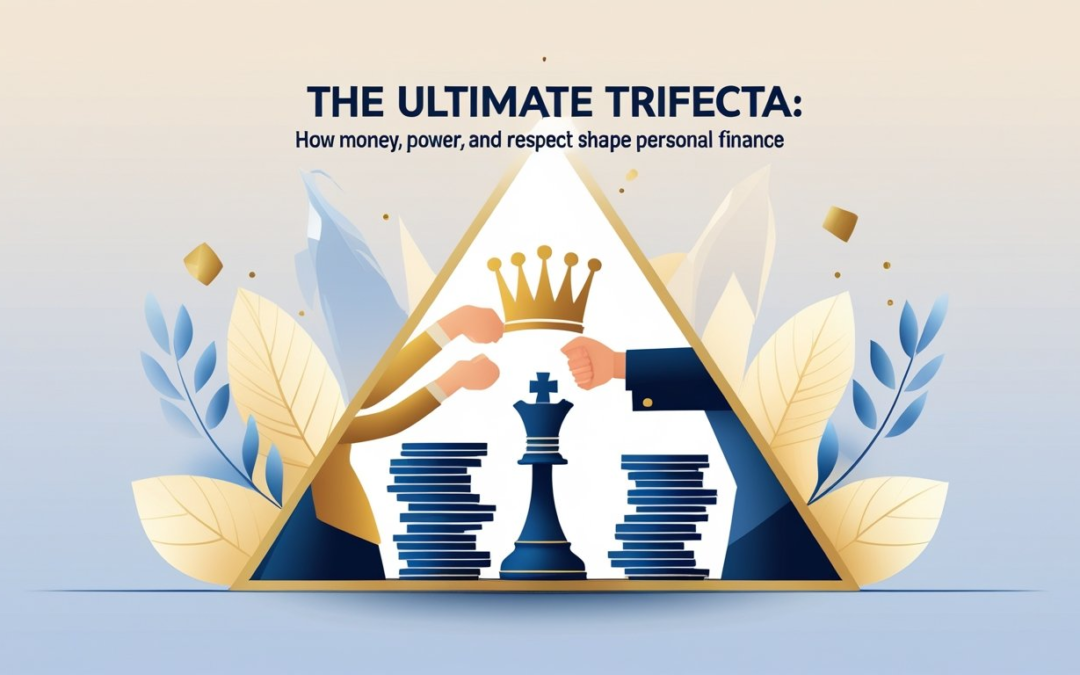
The idea that money, power, and respect form a trio has influenced personal finance for generations. Pop culture often splits these up, but in my experience, they’re tangled together in ways that can build you up—or break you down.

Understanding how respect, power, and money feed into each other is crucial for making smarter choices and actually keeping your wealth. When you earn respect by handling money ethically, you gain influence. That influence, or power, can open doors to more income—if you use it well.
Lots of folks chase money first and hope the rest will follow. Usually, that leads to some quick wins, then bigger headaches. There’s a better way to build all three for real security and satisfaction.
Key Takeaways
- Respect lays the groundwork for sustainable power and money
- Money and power can boost or wreck your financial reputation, depending on how you use them
- Bringing all three together beats chasing money alone for long-term results
Decoding the Ultimate Trifecta: Money, Power, and Respect

Money forms the base that helps you gain power and earn respect in financial circles. These three work together, shaping opportunities and influence.
Defining Money, Power, and Respect in Finance
Money isn’t just cash in your wallet. It’s assets, investments, and resources that can grow over time.
Power in finance means calling the shots—choosing investments, making deals, and getting access others can’t.
Respect comes from showing you know how to handle money. When you make smart moves, people start to trust your judgment.
I see these forces at play all the time. Money gives you choices. Power lets you act on them. Respect gets you in the room in the first place.
The flow goes both ways. Having respect can lead to power by building trust and networks. Power can help you make more money through better deals and access.
The Historical Interconnections of Wealth and Influence
Throughout history, wealthy families have used money to grab political and social power. Think Rockefellers, Rothschilds—they mixed cash with clout to build empires.
Banks and institutions have always pulled strings behind the scenes. They decide who gets loans and at what price, shaping entire communities and industries.
Financial respect used to come from land and business ownership. Those assets brought both income and status.
The industrial era flipped the script. Factory owners and railroad barons gained massive power thanks to their fortunes.
Today’s billionaires still play this game. They use wealth to steer politics, media, and tech innovation.
Modern Perspectives on the Trifecta
Social media has changed how we see financial success and respect. Now, people flash wealth online to build brands and influence.
Key modern shifts include:
- Digital wealth from tech stocks and crypto
- Online clout turning into real financial power
- Younger generations putting a new spin on what respect means
Financial education is more accessible now, which levels the playing field a bit. It’s not just for the already-rich anymore.
Entrepreneurship offers fresh paths to the trifecta. Small business owners can earn respect through expertise, not just old money.
Still, some doors stay closed. Access to capital and networks often depends on who you know and what you already have.
Impact investing is on the rise. More people want respect for making ethical choices, not just chasing profits.
Respect as a Foundation in Personal Finance
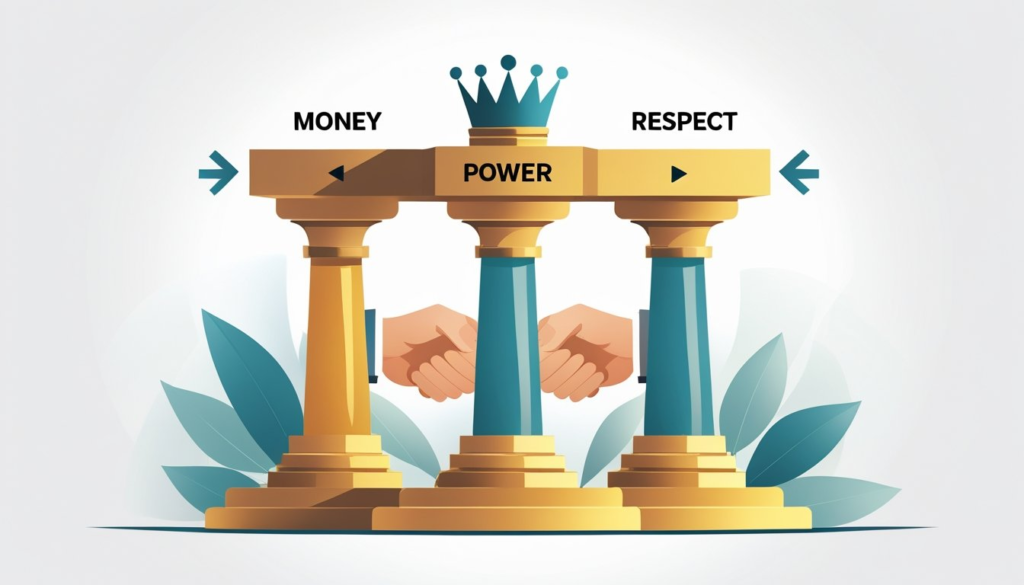
Respect is the backbone of healthy financial relationships and smart money management. It shapes how you treat money, deal with people, and make decisions for the long haul.
Why Respect is Central to Financial Relationships
Financial relationships only work when there’s mutual respect. Whenever I work with someone on money stuff, respect builds trust and keeps communication clear.
Respect pops up when you split bills with roommates, pay service providers on time, or negotiate salary with your boss.
Key areas where respect matters:
- Transparency – Being honest about money
- Boundaries – Setting limits on sharing or lending
- Communication – Talking openly about money issues
- Reliability – Keeping your word on payments
Without respect, things fall apart fast. Partners hide spending, friends dodge loan repayments, business deals go south.
I’ve seen relationships blow up over disrespect for someone’s financial situation. Borrowing without thinking, pushing others into expensive plans—these moves erode trust.
Respect means realizing everyone’s got different goals and limits.
Respecting Money: Attitudes and Behaviors
Respecting money means treating it like a tool you want to keep sharp. This attitude shapes how you earn, spend, and save.
I track where my money goes. I try not to waste it on stuff that doesn’t matter to me. I always save something before spending on wants.
Ways to show respect for money:
- Making and sticking to a budget
- Comparing prices before big buys
- Building an emergency fund
- Investing for the future
- Steering clear of pointless debt
If you don’t respect money, you’ll probably run into trouble. People who ignore their finances often spend mindlessly and end up in a jam.
How you handle small amounts says a lot. If you’re sloppy with $10, you’ll be sloppy with $1,000 too.
Earning Respect Through Financial Decisions
Your choices with money either build trust or chip away at it. People notice how you handle your finances, and it affects how much they trust you.
I try to pay my share right away when out with friends. I stick to my word on commitments and don’t ask others to bail me out.
Moves that earn respect:
| Behavior | Why It Builds Respect |
|---|---|
| Paying debts on time | Shows reliability |
| Living within means | Demonstrates self-control |
| Being generous appropriately | Shows thoughtfulness |
| Planning for the future | Indicates responsibility |
Bad financial decisions can wreck your reputation. Missed payments hurt lender relationships, and constant borrowing strains friendships.
How you handle money also shapes your self-respect. Smart choices build confidence. Taking charge of your finances boosts how you feel about yourself.
People respect those who make thoughtful decisions—even if money’s tight. It’s not about being rich, just responsible with what you have.
The Relationship Between Money and Power
Money and power feed each other. Financial resources create influence, and influence brings in more wealth. This dance shapes how people build fortunes and move through social circles.
How Money Creates Power Dynamics
Money opens doors I couldn’t walk through otherwise. With enough resources, I can invest in education, launch businesses, or buy assets that generate more cash.
How the wealthy gain power:
- Political donations that sway decisions
- Investment capital that steers companies
- Access to exclusive networks and info
- Ability to handle setbacks without panic
Research shows that higher incomes usually mean better health and longer lives. Money buys good healthcare, safer homes, and less stress.
Money also shifts power in relationships. When I’m not stressed about bills, I can decide where to live, what job to take, and how to spend my time.
The Federal Reserve is a prime example of financial power. It sets interest rates and controls money supply, impacting millions.
Leveraging Power for Financial Growth
Power unlocks wealth in ways that go beyond a regular paycheck. Social influence, connections, and institutional access all turn into financial opportunities.
How power generates wealth:
- Network effects: Connections bring better jobs and deals
- Information advantage: Early info leads to smarter moves
- Negotiating strength: Better terms on contracts and loans
- Reputation value: A strong personal brand brings big offers
Look at social media influencers—they build audiences, then turn that influence into sponsorships and sales.
Professional power matters, too. Doctors or lawyers can charge more because of their expertise, giving them financial leverage.
Even a little power can snowball. A manager who controls the budget can make choices that boost their career and income over time.
Power, Status, and Financial Outcomes
Status and power shape how much I can earn and keep. Higher status usually means better pay, easier access to investments, and more chances to build wealth.
Status impacts finances by:
- Helping with salary talks and promotions
- Opening doors to exclusive investments
- Getting better loan terms
- Connecting you to business opportunities
Goldman Sachs uses power and status to shape policy and protect profits, even when the economy sours.
Status changes how people spend, too. Some spend to show off, which can help or hurt their financial goals.
It’s tricky—status costs money to keep up, but it can also pay off. A sharp suit or nice car might seem pricey, but sometimes they boost credibility and income.
It turns into a cycle—investing in status and power can bring bigger returns down the line.
Building and Balancing the Trifecta in Everyday Life
Success comes from small, steady actions that build money, power, and respect together. In my experience, focusing on all three—bit by bit—gets you further than chasing just one.
Strategies to Cultivate Money, Power, and Respect
Building Financial Foundation
I start with clear money goals. I track every dollar and create budgets that leave room for growth.
This gives me control over my finances. I invest 20% of my income in index funds and emergency savings.
This builds wealth and shields me from financial stress.
Developing Personal Power
I focus on skills that make me valuable. I learn new things each month and ask for feedback on my work.
I build networks by helping others first. When I solve problems for people, they remember me for future opportunities.
Earning Respect Through Actions
I keep my promises, even the small ones. When I say I’ll do something, I do it.
This builds trust with everyone I meet. I listen more than I talk in meetings.
People respect someone who pays attention to their ideas.
Daily Habits That Work
- Read financial news for 15 minutes each morning
- Send one helpful message to a contact each day
- Complete tasks on time or early
- Save receipts and track spending weekly
Balancing Personal Values With Financial Ambition
I write down my core values first. Money goals have to fit with what matters to me most.
I won’t take jobs that go against my beliefs, even if they pay well. This protects my reputation and self-respect.
Setting Boundaries
I decide how much time I’ll spend on work versus family. I stick to these limits even when tempting money opportunities pop up.
I turn down deals that seem too good to be true. Quick money often comes with hidden costs to my reputation.
Making Ethical Choices
I’m honest about my skills and experience. Lying might get me short-term gains but hurts my credibility later.
I pay my debts on time and treat people fairly in business. This builds the kind of respect that leads to better opportunities.
I give back to my community through volunteering or donations. This keeps me grounded and connected to my values.
Common Pitfalls When Pursuing the Trifecta
Focusing Only on Money
I’ve seen people chase high salaries but ignore their health and relationships. They end up wealthy but lonely and stressed.
Money without respect is fragile. People who only care about profits often lose opportunities when others stop trusting them.
Seeking Power Too Fast
I avoid trying to control everything at once. Real power comes from proving myself in small ways first.
I don’t step on others to get ahead. This strategy backfires when those people gain influence later.
Common Mistakes to Avoid
- Spending money to look successful before actually being successful
- Making promises I can’t keep to impress people
- Ignoring my mental and physical health for financial gains
- Borrowing money for lifestyle purchases instead of investments
I check my progress monthly. Am I building all three areas or just focusing on one?
Long-Term Impact: Achieving Financial Fulfillment and Social Standing
True financial success isn’t just about piling up wealth. It reaches into social recognition and personal fulfillment too.
Building lasting respect means aligning financial decisions with values that create both satisfaction and community impact.
Measuring Success Beyond Net Worth
I measure my financial success using more than just money. Financial capital covers my savings and investments.
Social capital is my professional networks and relationships. Cultural capital reflects my understanding of social norms and education.
Personal capital includes my health, skills, and reputation. These four types work together to create real wealth:
- Financial security reduces stress and creates opportunities
- Strong relationships open doors to new ventures
- Cultural knowledge helps me navigate different social situations
- Personal attributes like health and integrity sustain long-term success
My investment decisions should support all forms of capital. Choosing ethical investments protects my reputation.
Supporting my community builds social connections. Investing in education and health creates lasting value.
The Role of Respect in Sustained Wealth
Respect acts as a multiplier for financial success over time. When people trust my judgment, they seek my advice and partnership.
This creates more opportunities than money alone ever could. I earn respect through consistent actions:
| Behavior | Impact on Respect | Financial Benefit |
|---|---|---|
| Keeping promises | Builds trust | More business partnerships |
| Fair dealings | Creates reputation | Referrals and recommendations |
| Community support | Shows character | Network expansion |
| Transparent communication | Demonstrates integrity | Long-term relationships |
Respect compounds like interest. Each positive interaction builds on previous ones.
People remember how I handle difficult situations and small commitments. My financial decisions reflect my values.
I avoid shortcuts that damage relationships. Short-term gains that hurt my reputation usually cost more in the long run.
Legacy, Influence, and Social Value
My financial legacy includes both wealth and the respect I leave behind. Influence built through ethical financial practices creates lasting impact beyond my lifetime.
Social value comes from using money to solve real problems. I can create jobs, support education, or fund innovation.
These actions build respect and spark positive change. My influence grows when I align profit with purpose.
Investing in companies that match my values creates both returns and social impact. Supporting local businesses strengthens my community.
The respect I earn becomes part of my legacy. People remember leaders who used wealth responsibly.
This influence can guide future generations and create lasting change. I focus on decisions that build both wealth and respect.
Frequently Asked Questions
Managing money, power, and respect means understanding how financial choices affect social standing and personal influence. These concepts work together to shape your overall success and how others view your financial competence.
What are the key principles for successfully balancing money, power, and respect in personal finance?
I focus on three main principles when balancing these elements. First, I build wealth through smart saving and investing, not flashy spending.
This creates real financial power instead of just the appearance of wealth. Second, I treat all people with courtesy regardless of their financial status.
This builds genuine respect that lasts longer than respect based only on money. Third, I use financial knowledge to help others when I can.
Sharing insights about budgeting or investing builds my reputation as someone trustworthy with money matters.
How does building wealth influence personal power and respect within society?
Wealth gives me more choices in life. I can take risks like starting a business or switching careers because I have savings to fall back on.
This freedom makes me more confident in my decisions. People often listen more carefully when I have proven financial success.
My opinions on money matters carry more weight in conversations and meetings. However, I’ve learned that wealth alone doesn’t guarantee respect.
How I earned the money and how I treat others matters just as much as the amount I have.
In what ways can financial decisions impact one’s social standing and influence?
My spending choices send messages about my values and priorities. When I buy quality items that last, people see me as practical and thoughtful with money.
The way I handle debt affects how others view my financial skills. Paying off credit cards and loans on time shows I can manage responsibility well.
My investment choices also shape my reputation. When I research before investing and avoid get-rich-quick schemes, people trust my financial judgment more.
What strategies can individuals use to increase their financial literacy and command respect in financial matters?
I read books and articles about personal finance from trusted sources. This helps me understand complex topics like taxes, investing, and retirement planning.
I also practice what I learn by managing my own budget and investments. Real experience teaches me lessons that books can’t provide.
Asking questions when I don’t understand something shows maturity. Financial advisors and knowledgeable friends respect honest questions more than fake confidence.
How do power dynamics in relationships change with shifts in financial status?
Money changes can affect who makes decisions in relationships. When my income increases, I might feel more entitled to choose how we spend money as a couple.
These changes can create tension if not handled well. I’ve learned to discuss money decisions openly rather than assuming I should have more say because I earn more.
Financial shifts also change social circles sometimes. As my wealth grows, I might meet different people through investments or business activities.
What role does respect play in financial negotiations and decision-making processes?
Respect really helps financial conversations go more smoothly. If I actually listen to others’ concerns about money, they’re more likely to consider my viewpoint too.
In negotiations, showing respect for the other person’s position often leads to better deals. People just want to work with someone who treats them fairly.
When I build a reputation for honest financial dealings, others start to seek me out for future opportunities. That kind of respect ends up being pretty valuable in the long run.