
Taking on debt is pretty common when managing your finances, but honestly, it’s not something to do lightly. Debt can help you reach big goals, like buying a house or paying for school, but if you’re not careful, it can cause headaches down the line.
You’ve got to really understand why you’re borrowing and how it’ll affect your money before you make any big moves.

The most important thing? Ask the right questions so the debt actually fits your financial situation and plans for the future. If you know what to look for, you can avoid paying too much or ending up in a tough spot later.
Let’s walk through what to think about before you sign on the dotted line.
1) What is the interest rate and how will it affect my total repayment?
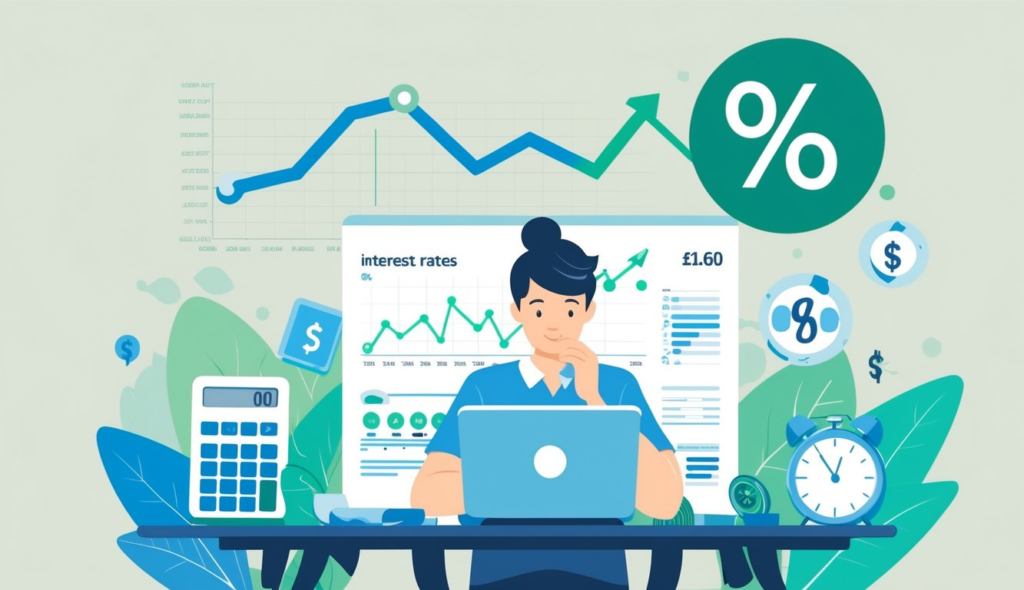
The interest rate is basically what you pay to borrow the money. It shapes how much you’ll end up paying back in the end.
If the rate is high, you’ll owe a lot more over time.
Check if your loan comes with a fixed or variable rate. Fixed rates stay the same, so your payments don’t change. Variable rates can go up or down, which means your monthly payments might jump later.
Even a small difference in interest can really add up over the years. Lower rates mean you’ll save money.
When you know the interest rate, it’s easier to compare loan offers and plan your budget. Always ask for the exact number before you agree to anything.
2) What fees are associated with this debt and are there any hidden charges?
When you borrow money, you’ll probably run into some fees. These could be origination fees, penalties for late payments, or even charges for paying off your loan early. Sometimes, these fees sneak up and make the debt more expensive.
Watch out for sneaky, hidden charges tucked away in the fine print. Lenders sometimes add settlement fees, extra negotiation costs, or even taxes on forgiven debt.
You might not spot these right away, but they can bite later.
Always ask for a full rundown of all fees before signing anything. Read the terms closely and compare what different lenders are offering.
If you’re confused, just ask for clarification. That way, you can avoid surprises and budget better.
Knowing the fees upfront helps you decide if a loan is really worth it. Plus, you can plan your payments to avoid extra costs like late fees.
3) Is this the most cost-effective borrowing option available?
Before you borrow, look at the total cost—not just the interest rate, but all the fees too. The annual percentage rate (APR) gives you a clearer picture because it includes everything.
Comparing APRs makes it easier to see which loan is actually cheaper.
Different lenders have different deals. Some offer lower rates but tack on more fees, and others do the opposite.
Make sure you know what you’re getting into so you don’t get stuck with a bad deal.
Check out other borrowing options too. Maybe a 0% credit card or a peer-to-peer loan would cost you less than a personal loan.
Don’t just grab the first offer you see.
Ask yourself if you could get a better rate somewhere else. Shopping around can save you a surprising amount of money.
4) What is the ideal repayment term and how does it impact interest?
The best repayment term really depends on your budget and goals. If you pick a shorter term, you’ll pay off the loan faster and save on interest, but your monthly payments will be higher.
A longer term lowers your monthly payment, which sounds nice, but you’ll end up paying more interest over time. That can make the total cost of the loan jump.
It’s all about finding a balance between what you can afford each month and how much you want to spend overall.
Think about what you can realistically handle without stretching your budget too thin.
Sometimes, lenders offer different rates for different terms. Shorter loans might come with lower interest rates, while longer ones could be pricier.
Ask how the term affects your rate before you decide.
Your repayment term doesn’t just impact your wallet right now—it can affect your credit score and future plans too.
Pick a term that fits your life, not just the lender’s suggestion.
5) Do I have a financial safety net in case of unexpected setbacks?
Before you borrow, ask yourself if you’ve got a financial safety net. This means having some savings for emergencies—car trouble, medical bills, or a sudden job loss.
Without a backup, you might end up relying on even more debt when things go wrong.
A solid safety net is usually an emergency fund. Aim for enough to cover three to six months of your basic expenses.
That way, you won’t panic or miss payments if your income takes a hit.
Building that fund can take a while, and that’s okay. Start small and keep adding to it over time.
You’ll feel more in control and make better borrowing choices when you know you’ve got a cushion.
Understanding the Impact of Debt
Debt changes your finances—both right now and down the road. It affects what you can spend, and it can shape your ability to borrow later.
If you understand these effects, you’re more likely to make smarter choices.
Short-Term vs. Long-Term Consequences
As soon as you take on debt, your monthly budget shifts. Regular payments mean you’ve got less for other things or savings.
If you miss payments, you’ll rack up fees and your interest rate could go up.
Over time, debt can snowball if you only pay the minimum or fall behind. Interest keeps piling on, so the total cost can end up way higher than what you borrowed.
Long-term debt might hold you back from investing, saving, or making big purchases like a house.
Debt isn’t just about numbers—it can mess with your stress and peace of mind, too. Struggling to keep up with payments can affect your daily life and decisions.
Knowing the full timeline of debt costs makes it easier to decide if it’s really worth it.
How Debt Can Affect Credit Scores
Your credit score tells lenders how trustworthy you are when it comes to borrowing. New loans or credit cards usually drop your score a bit at first since lenders see them as a risk.
If you make payments on time, your score goes up and you look more responsible. But if you miss payments or keep high balances, your score can fall fast.
A lower score usually means higher interest rates—or you could even get turned down for future loans.
To keep your credit healthy, pay on time and don’t borrow more than you can handle.
Evaluating Personal and Financial Readiness
Before you take on more debt, take a hard look at your finances. Check if your income is steady and see how much you already owe.
Knowing these things helps you figure out if borrowing more is a good idea and if you can handle the new payments.
Assessing Income Stability
Double-check that your income is stable enough for extra debt payments. If your job situation changes a lot, or if you have unpredictable income, new debt could be risky.
Think about how long you’ve been at your job and whether you have more than one source of income.
Also, consider any changes that could affect your paycheck soon, like a job switch or seasonal work. A clear view of your income helps you avoid taking on debt you can’t pay back.
Reviewing Existing Financial Obligations
Take stock of all your current debts and regular bills before you borrow more. List out what you owe—credit cards, loans, rent, utilities, everything.
Figure out how much of your monthly income goes to debt right now.
Knowing your debt-to-income ratio is key. If most of your income already goes to paying off debt, adding more could spell trouble.
Frequently Asked Questions
Before you take on debt, make sure you understand how it’ll affect your money now and later. Get clear on the costs, your repayment plan, and how this fits into your bigger goals.
What are the long-term implications of taking on this debt?
Debt can limit your financial freedom for years. You might have less for saving or emergencies.
Interest payments add up, making the total cost a lot higher than what you borrowed.
How does this debt align with my financial goals?
Ask yourself if the debt helps you reach your goals or just gets in the way. Borrowing for education or a home can make sense.
But debt for non-essential spending can slow down plans like buying a house or saving for retirement.
What is the total cost of borrowing including interest and fees?
Look closely at the interest rate. Higher rates mean you’ll pay back more.
Don’t forget about extra fees—origination charges or penalties for paying early can sneak in and increase the cost.
What is my plan for repayment and is it manageable within my budget?
Make a realistic budget that includes your debt payments. Can you cover them without cutting out essentials?
Having a plan helps you avoid missed payments and keeps your credit in good shape.
How will taking on this loan affect my credit score?
New debt usually drops your credit score a bit at first. If you pay on time, your score can recover and even improve.
But missed payments or high balances hurt your score and make borrowing harder in the future.
What are the alternatives to borrowing and their respective benefits?
Before you borrow, take a moment to consider saving more. You could also look into a lower-cost option, like a credit union loan.
Some alternatives come with lower interest or fewer fees. If you can meet your needs without borrowing, it’s usually best to avoid taking on debt.