
Spending money on hobbies can bring joy and boost your well-being. But if you’re not careful, it can start to hurt your budget.
Knowing when hobby spending is healthy and when it turns harmful comes down to balancing your expenses with your financial goals.
Enjoying your hobbies shouldn’t mean skipping essentials like bills, savings, or debt payments.

To keep hobby spending healthy, you’ve got to understand your financial situation and set limits you can stick to. Organize your budget and prioritize what matters most, so you can spend on your interests without risking your security.
Key Takeways
- Balance hobby spending with your budget and savings goals.
- Set clear limits to avoid going overboard.
- Take care of essentials before dropping money on leisure.
Defining Healthy vs. Harmful Hobby Spending
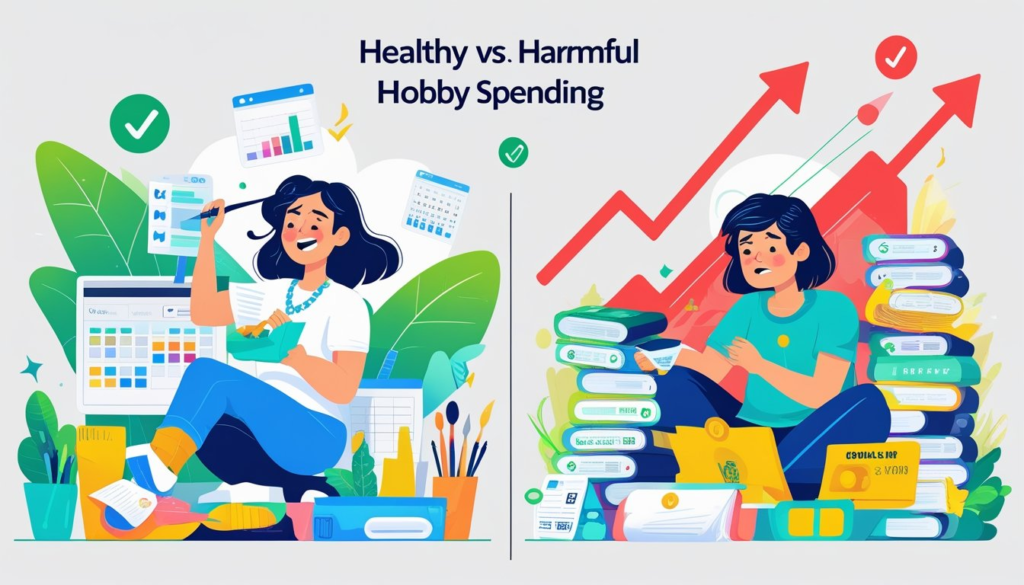
Spending on hobbies adds value to your life when it fits your budget and supports your well-being. But if your spending gets out of control, it can create stress and take away the joy your hobby brings.
Knowing the difference is what helps you keep hobbies rewarding.
What Constitutes Healthy Spending on Hobbies
Healthy spending means buying what you need for your hobby without putting your finances at risk. Budget for supplies, classes, or events, but never at the expense of essentials like bills or savings.
Ideally, you feel good about what you spend, knowing it helps you grow or relax. Maybe you buy a few art supplies or sports gear you actually use—totally reasonable.
Set a monthly or yearly limit based on your income. Track your spending so nothing sneaks up on you.
Recognizing Warning Signs of Overspending
Overspending can creep in if you’re not paying attention. Watch out for things like:
- Using credit cards or loans to fund your hobby
- Skipping bills or essentials because of hobby spending
- Feeling guilty or anxious about your purchases
- Always buying new equipment but barely using it
If hobby costs start causing fights at home or disrupting your budget, it’s time to take a step back.
Impact of Hobbies on Mental Well-being
When you spend wisely, hobbies can seriously boost your mental health. Activities like reading, gardening, or sports lower stress and lift your mood—if they fit your budget.
Overspending, though, can bring on anxiety and even depression as money worries pile up. That stress cancels out the good stuff your hobby gave you in the first place.
Spend on experiences or tools that really make a difference for you. Notice how your spending affects your mood, and try to keep hobby time positive.
Assessing Your Financial Situation Before Spending

Know how your money flows each month and how much you can safely spend on hobbies. Figure out how hobby expenses fit with your financial goals.
Evaluating Your Monthly Budget
List out all your income—salary, side gigs, whatever else comes in. Track regular expenses like rent, bills, groceries, and debt payments.
Build a clear snapshot of your monthly money picture. Use a table or a budgeting app to keep things organized.
Spot your fixed costs (like rent) and variable costs (like eating out). This helps make sure hobby spending doesn’t eat into essentials.
Measuring Disposable Income vs. Hobby Expenses
Disposable income is what’s left after you’ve covered all your bills and savings. That’s what you can put towards hobbies without risking your financial health.
Subtract your fixed and variable expenses from your total income. That’s your play money.
Compare that amount to what you’re actually spending on hobbies. If your hobby costs are close to or over your disposable income, it’s time to cut back or get creative.
Only spend on hobbies if it doesn’t mess with bills, debt, or emergency savings.
Checking Progress Toward Financial Goals
Look over your short- and long-term goals before spending on hobbies. Maybe you’re paying off debt, saving for a house, or building an emergency fund.
Ask yourself if hobby spending fits your plan or slows you down. Be honest about your priorities and how much time and money you can really dedicate.
Adjust your hobby budget if it’s getting in the way of bigger goals. This way, you can enjoy your interests and still move forward financially.
Setting Boundaries: How Much to Spend on Hobbies
Knowing your spending limits helps you enjoy hobbies without wrecking your finances. It’s all about balance—have fun, but keep your budget in check.
Set clear limits, tie hobby spending to your bigger money goals, and use specific funds for hobby stuff.
Budgeting Guidelines and Percentage Rules
Lots of folks stick to spending 5% to 10% of their take-home pay on hobbies. For example, if you bring home $3,000 after taxes, you might set aside $150 to $300 a month.
Track your income and essentials first. Only use what’s left for hobbies.
If your financial situation changes, adjust your hobby budget so you don’t end up in a tight spot.
Prioritizing Long-Term Financial Goals
Don’t let hobby spending get in the way of saving for a house, retirement, or paying off debt. Make sure your hobby budget fits with your bigger plans.
Set financial goals alongside your hobby budget. If you save 20% of your income, make sure hobby spending fits what’s left.
Sometimes you’ll need to cut back on hobbies to stay on track. That’s normal and helps avoid debt or financial stress down the road.
Allocating a Hobby Fund or Sinking Fund
Set up a separate hobby fund or sinking fund for bigger hobby costs. A sinking fund means you save a little each month for occasional expenses like equipment upgrades or annual fees.
Add a fixed amount to this fund every month. When hobby costs pop up, use this money instead of dipping into essentials.
This makes hobby spending more predictable and keeps it from messing with your day-to-day budget.
Identifying and Managing Expensive Hobbies
Some hobbies can really strain your budget if you’re not careful. Knowing which ones are pricey helps you plan ahead and avoid overspending.
Common High-Cost Hobbies to Watch
Certain hobbies just cost more because of gear, memberships, or travel. Examples include:
- Golf: Clubs, balls, green fees, and memberships add up fast.
- Photography: Cameras, lenses, and editing software aren’t cheap.
- Flying: Pilot licenses, training, and flying hours cost a lot.
- Fishing (especially fly fishing): Equipment, licenses, and travel can get expensive.
- Electronics or gaming: Upgrading gear and buying new releases is pricey.
Many of these have ongoing costs—lessons, maintenance, upgrades—not just one-time buys. If you don’t track them, expenses can snowball.
Strategies to Control Recurring Hobby Expenses
Start with a hobby budget. Decide how much you’ll spend each month or year, and stick to it.
Buy second-hand equipment or swap gear instead of always going for new. Look for discounts, sales, or club memberships that offer deals.
Maybe you can turn your hobby into a side hustle—teach lessons or sell your creations. That might help offset costs.
Track your spending so impulse buys don’t sneak in. You could even set up a separate “passion fund” just for hobby expenses.
Healthy Spending Habits for Sustainable Hobby Enjoyment
Managing your money while enjoying hobbies means setting limits and finding smarter, cheaper ways to stay engaged. Try to avoid impulse buys, look for low-cost options, and keep your spending balanced with your other responsibilities.
Avoiding Impulse Purchases and Lifestyle Creep
Impulse buying can wreck your hobby budget fast. Try waiting 24 hours before buying something non-essential—it gives you time to think if you really need it or just want it.
Lifestyle creep happens when you start spending more and more without noticing. Keep an eye on your hobby expenses and stick to your budget.
Apps or spreadsheets help you track spending and spot trends. Setting alerts on your phone or bank app can catch impulse buys before they get out of hand.
Exploring Affordable or Free Hobby Alternatives
You don’t need to spend a ton to enjoy your hobbies. Look for second-hand gear, which often works just as well and costs less.
Community groups or clubs let you share resources and save money. Free resources like YouTube tutorials or library books are great alternatives to pricey classes.
Swap supplies with friends, watch for sales, or try DIY projects to keep things affordable. These tricks stretch your budget and keep your hobbies accessible.
Balancing Recreational Spending with Responsibilities
Make sure your hobby spending doesn’t clash with bills or savings. Review your income and essentials first.
Set a fixed amount for hobbies so you’ve got enough left for rent, food, and emergencies. If you have multiple hobbies, rank them by importance and enjoyment, and allocate funds that way.
Track your hobby spending each month. Adjust if you go over or realize you can afford a bit more.
Protecting Your Future: Safeguarding Savings While Enjoying Hobbies
Balancing hobby spending with saving for the future takes some planning. Keep your retirement savings on track and make sure emergency funds and debts are handled.
Ensuring Retirement Savings Are On Track
Retirement savings should come first, before spending freely on hobbies. Make sure you’re putting enough into accounts like a 401(k) or IRA to meet your goals.
Try to contribute at least enough to get any employer match—it’s basically free money. If you get a raise, bump up your contributions.
Automate these payments so you don’t forget. Check your retirement plan now and then to make sure it matches your needs and goals.
Maintaining Emergency Savings and Debt Repayment
Before you add more hobby expenses, check if your emergency fund covers at least 3 to 6 months of essentials like rent, food, and utilities.
This fund protects you from surprises, so you won’t have to scramble or wreck your budget if something goes wrong.
If you’ve got debt, focus on paying it down efficiently.
High-interest debts, like credit cards, can do more damage to your finances than any hobby ever could.
Try using a budget that separates essentials, savings, debt payments, and hobby spending.
That way, you can actually see what’s left for hobbies and make sure you’re not falling behind on the important stuff.
Frequently Asked Questions
How much you spend on hobbies really depends on your income, your fixed expenses, and your savings goals.
You’ll need to weigh your financial responsibilities against what you can comfortably spend on fun stuff. It’s a balancing act, honestly.
What factors should determine the amount allocated to hobbies in a monthly budget?
Start with your total income, then subtract bills and savings goals.
Check what’s left over—your discretionary money—and think about how much joy your hobbies actually bring you.
How can one balance necessary expenses and hobby spending?
Cover the basics first—mortgage, utilities, debts, and emergency savings.
Only use leftover funds for hobbies. Setting clear limits for both essentials and hobbies can really keep stress down.
What strategies can be employed to manage overspending on hobbies?
Keep tabs on your hobby purchases, maybe with an app or just a note on your phone.
Set a monthly limit and try not to go over. If you share finances, talk openly with family about hobby costs. Sometimes, it’s smart to hit pause and reassess if things get out of hand.
Is there a recommended percentage of income that should be dedicated to hobbies, according to financial experts?
Many experts say to save 10-20% of your income first.
Whatever’s left—your discretionary cash—is fair game for hobbies. That way, you keep your fun spending in check and your finances stable.
How does hobby spending impact financial goals and savings?
Overspending on hobbies can chip away at your savings and slow down bigger goals, like buying a house or retiring.
Staying mindful about hobby costs helps protect your financial future, even if it means saying no sometimes.
Can hobby expenses be justified even when they constitute a large portion of one’s discretionary spending?
If your hobbies truly make you happy or boost your health, then spending a bit more can make sense. Just watch out for debt or skipping out on important savings.
Finding that balance is tricky, but it’s worth it if you want to enjoy your hobbies without wrecking your finances.