
Saving money in your 20s is honestly one of the smartest moves you can make for your future. Building a strong savings habit now lays the groundwork for financial freedom and real wealth later on.
The earlier you start, the more time your money has to grow. Over the years, that makes a big difference.

In your 20s, time is on your side. Even small, steady savings can add up thanks to compound growth.
Learning to budget, control expenses, manage debt, and invest wisely helps you keep your finances on track. It also gets you ready for bigger goals, like buying a home or planning retirement.
This guide breaks down practical steps and strategies to help you save early and build the life you want. You don’t need to be a finance expert—just some discipline and a few good habits can get you far.
Key Takeways
- Start saving early to give your money more time to grow and build financial security.
- Manage spending and debt wisely so you keep more of what you earn.
- Good money habits now make your financial goals way easier to reach later.
Why Building Wealth Early in Your 20s Matters

Starting to build wealth in your 20s gives you a real advantage. You get to form good money habits, use compound interest, and grow your savings steadily.
This creates a solid foundation for financial security as you get older.
Benefits of Early Saving
Saving money early gives you a safety net and more freedom. Even small, regular savings help you avoid debt and handle emergencies without panic.
Investing early means your money grows faster over time. By saving now, you won’t have to scramble to catch up later.
This habit helps you avoid last-minute money stress and lets you focus on bigger life goals with confidence.
The Power of Compound Interest
Compound interest is kind of magical—your money earns returns, and those returns earn more returns. The longer you save and invest, the faster your money grows.
For example, saving just $25 a week can turn into thousands over a decade. Consistency and time are everything here.
Forming Strong Financial Habits
Building wealth in your 20s is just as much about habits as about cash. Learning to budget, save, and invest early sets a pattern for your long-term financial life.
Automate your savings or investments so you don’t have to think about it. Making these habits automatic keeps you from making emotional money decisions.
Solid financial habits give you control and peace of mind for years to come.
Setting Financial Goals for Success
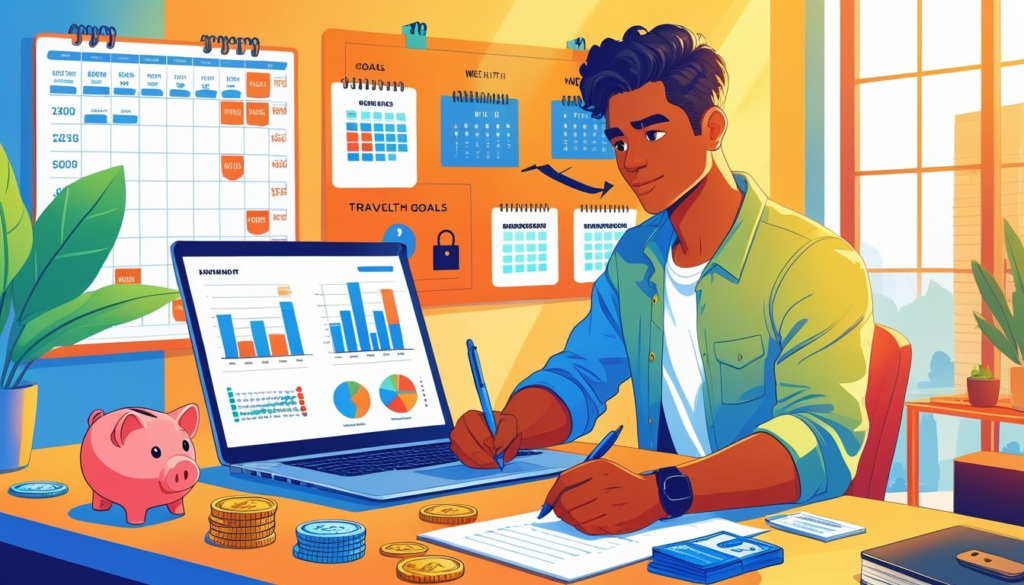
If you want to build wealth early, you need specific financial goals. Break down what you want into clear targets and track your progress as you go.
Be ready to adjust your plans as your life changes. This keeps your financial planning on track and helps you improve your net worth.
Defining Short-Term and Long-Term Goals
First, list your short-term financial goals. These might be saving for a laptop, paying off a small debt, or building an emergency fund within a year or two.
Your long-term goals look further ahead—think five to twenty years. Maybe buying a home, paying off student loans, or saving for retirement.
Write down each goal with a dollar amount and a deadline. Knowing exactly what you want keeps you from wasting money on things that don’t matter.
Tracking Progress
You need a simple way to track your goals. Use a spreadsheet or an app to record what you save, spend, and pay toward debt each month.
Check your progress against your targets often. Include your net worth—assets minus debts—to see if things are moving in the right direction.
Tracking keeps you motivated and helps you catch problems early, before they get out of hand.
Adjusting Goals Over Time
Life changes, and your financial goals should, too. Big events like a new job, a move, or a family can shake up your money plans.
Review your goals at least every six months. If a goal feels impossible or too easy, tweak it to match your current income and expenses.
Adjusting goals isn’t failure—it’s just being realistic. Staying flexible lets you keep building wealth, even when life throws you a curveball.
Smart Budgeting and Expense Management
Managing your money well means setting spending limits, knowing where your cash goes, and making saving automatic. Avoid letting your spending rise just because you’re earning more.
These steps help you use your income wisely and grow your savings without much hassle.
Choosing a Budgeting Method
You need a budgeting method that actually fits your style. The 50/30/20 rule is super simple: 50% to needs, 30% to wants, and 20% straight to savings.
Some people like zero-based budgeting, where every dollar gets a job. Others prefer the envelope system with cash for each category.
Pick whatever keeps you in control of your money without making you miserable. The right system helps you stick to your budget and stay aware of your spending.
Tracking Living Expenses
Tracking expenses shows you exactly where your money goes. Try budgeting apps or a basic spreadsheet to record everything—from rent to coffee.
Check your account monthly to spot patterns or places to cut back. Little things like snacks or subscriptions can sneak up on you.
Set aside 10–15 minutes a week to keep this habit up. Being aware is the first step to taking control.
Automating Savings
Automate your savings so you don’t have to think about it. Set up transfers from checking to savings right after payday.
Start with a set amount, maybe 20% of your income, and bump it up when you can. This way, you save before you spend.
Automated savings help you avoid forgetting or skipping deposits. You can also automate payments to retirement accounts or emergency funds—it’s one less thing to remember.
Avoiding Lifestyle Inflation
When you earn more, it’s tempting to spend more. That’s lifestyle inflation, and it can wipe out your progress.
Keep your fixed costs low and use raises to boost your savings, not your spending. Maybe stick with the same apartment or car and put extra income toward investments.
Watch out for non-essential upgrades like eating out or the latest gadgets. Staying disciplined now helps you build wealth faster and stay secure.
Strategies for Building and Protecting Savings
To grow your savings safely, you’ve got to prepare for surprises, choose accounts with better returns, and keep your savings separate from your spending money.
These moves help you avoid dipping into your savings and make your finances stronger.
Building an Emergency Fund
An emergency fund covers unexpected stuff—medical bills, car repairs, you name it. Aim for three to six months of living expenses set aside.
Start small if you need to, even $20 a week builds up over time. Keep the fund somewhere you can get to it quickly, but don’t touch it for everyday expenses.
Having this cushion helps you avoid debt when life gets messy and just feels good.
Choosing High-Yield Savings Accounts
High-yield savings accounts pay more interest than regular ones, so your money grows faster without extra risk.
Look for accounts with no fees, easy online access, and solid rates. Many online banks offer way better rates than old-school banks.
Check rates now and then and switch if you find something better. This helps your emergency fund keep up with inflation and grow a little faster.
Separating Savings and Spending
Keep your savings account separate from your checking account. It’s way too easy to spend money that’s sitting in your everyday account.
Set up automatic transfers from checking to savings right after payday. Treat your savings like a bill you’ve got to pay every month.
Keeping your savings separate builds discipline and helps you make steady progress toward your goals.
Managing Debt Responsibly in Your 20s
Debt can stick around for years if you don’t handle it right. Reducing what you owe and keeping payments manageable protects your credit and frees up cash for saving and investing.
Paying Down Credit Card Debt
Credit card debt usually has high interest, so it’s smart to pay it off fast. Pay more than the minimum each month to cut down interest and lower your balance quicker.
Try the avalanche method—pay off cards with the highest interest first—or the snowball method, starting with the smallest balance for a quick win. Don’t add new charges until your debt’s under control.
Set up automated payments so you never miss one. If your rates are sky-high, think about a balance transfer or call your card company to negotiate.
Tackling Student Loan Debt
Student loans often have lower interest than credit cards, but they can still drag you down. Know your loan type and repayment options so you don’t miss payments or rack up fees.
Always pay on time and try to pay extra when you can. If your income changes, look into income-driven repayment plans that adjust payments based on what you make.
Refinancing could help if you get a lower rate, but be careful—refinancing federal loans means you might lose some protections.
Handling Car Loans
Car loans affect your budget through monthly payments, interest, and insurance. Keep your loan term as short as you can to pay less interest overall.
Shop around for the best rates before you buy. Always pay on time to protect your credit.
If you can, put extra money toward the principal to pay off your car faster. Try not to finance more than the car’s worth—otherwise, you’re stuck if the value drops.
Honestly, a cheaper car usually means smaller loans and way less stress.
Start Investing and Planning for Retirement
Building wealth early means putting your money where it can grow and taking advantage of any opportunities you get. Use retirement accounts to save on taxes, grab any employer contributions, and invest for the long haul to grow your savings steadily.
Understanding Retirement Accounts: 401(k), IRA, and Roth IRA
A 401(k) is a retirement account that lots of employers offer. You put in pre-tax money from your paycheck, which means you pay less in taxes right now.
Your contributions grow without taxes until you take the money out in retirement. If your employer offers a match, that’s extra cash added to your account—pretty great, right?
An IRA (Individual Retirement Account) lets you save on your own if you don’t have a 401(k) or just want to stash away more. There are two big types: the traditional IRA, where you might get a tax deduction, and the Roth IRA, where you pay taxes up front but withdrawals in retirement are tax-free.
A Roth IRA stands out because you pay taxes on your contributions today, but your money grows tax-free. You can also pull out your contributions anytime without a penalty, which is handy.
Both IRAs have yearly contribution limits, so don’t forget to check those before saving more.
Making the Most of Employer Match and Free Money
Employer matches are basically free money for your retirement. If your company offers a 401(k) match, try to contribute at least enough to get the full match.
For example, if your employer matches 50% up to 6% of your salary, putting in 6% gets you an extra 3%. That’s money you don’t want to miss out on.
Missing the match is like leaving free cash behind. Over time, that extra money can really boost your savings.
When you’re job hunting or comparing offers, check out the retirement benefits too. A better match or a shorter wait to qualify could mean a bigger paycheck overall.
Investing for the Long Term
Investing your retirement savings means putting money into things like stocks, bonds, or funds that can grow. Start early—compounding is your friend because returns can earn more returns over time.
Leaving retirement money in cash won’t help it grow. Instead, spread your investments out based on how much risk you can handle and how long you plan to invest.
Younger folks can usually take more risks with stocks since there’s time to bounce back from losses. Even bumping up your contribution by 1% a year can make a big difference by retirement.
Set up automatic contributions and check your investments regularly. Staying on top of things helps you keep moving toward your goals.
Building and Maintaining Good Credit
Good credit opens doors, like borrowing at better rates or renting apartments more easily. You’ll want to know how to build your score, use cards smartly, and check your credit report now and then.
How to Build a Solid Credit Score
Start by opening a credit card—even a secured one if you can’t get an unsecured card yet. A secured card needs a deposit, but it helps you show lenders you can pay on time.
Make paying on time your top priority. On-time payments are huge for your credit score.
Try not to use more than 30% of your credit limit at once. This shows you’re not maxing out your cards or relying too much on credit.
Being an authorized user on a family member’s card can help your score too, as long as they’re responsible with payments and balances.
Using Credit Cards Wisely
Only charge what you can pay off each month. Carrying a balance means paying interest, which adds up fast.
Set up automatic payments so you never miss a due date. Late payments can really hurt your score and make future loans harder to get.
Don’t open too many cards at once. Stick to managing one or two cards well before adding more.
Check fees and interest rates before picking a card. Look for beginner-friendly cards with low fees and perks like cash back or no annual fee.
Monitoring Your Credit Report
Check your credit report at least once a year from Experian, Equifax, and TransUnion. It’s free and helps you spot problems early.
Look for mistakes, like wrong balances or accounts you don’t recognize. Errors can unfairly lower your score.
If you find something wrong, dispute it with the bureaus. Fixing errors quickly keeps your credit in good shape.
You can also use free credit monitoring services. They’ll send alerts if something big changes or if there’s possible fraud.
Working with Financial Professionals
Sometimes, getting help from financial pros just makes life easier. Knowing some basics about legal tools and your assets can protect your future and your loved ones.
When to Consult a Financial Advisor
Think about talking to a financial advisor when your money situation gets complicated. Maybe you’re starting to invest, want a budget that fits your goals, or need help with debt like student loans.
Advisors can help you set clear goals and make a plan to reach them. They can also explain your investment options and help you dodge common mistakes.
Look for someone with credentials like CFP (Certified Financial Planner). Meeting with an advisor early can save you money and stress later.
If hiring one feels pricey, try a free or low-cost consultation first. See if their advice works for you before committing.
Understanding Wills and Basic Estate Planning
A will is a legal document that says what happens to your stuff after you die. Even if you’re young, a simple will can make things easier for your family.
Basic estate planning means picking an “executor” to handle your assets and naming guardians if you have kids. You don’t have to figure this out alone.
Work with a lawyer or advisor to create these documents. Update your will and estate plans as your life changes—like after getting married or buying a home.
Frequently Asked Questions
Saving money early means budgeting smart, avoiding debt, and finding ways to cut big costs like insurance and rent. Building wealth is also about knowing where to put your money so it grows safely over time.
What are the most effective strategies for saving money in your 20s?
Pay yourself first. Try to save at least 15% of your income before spending on anything else.
Cut big bills like auto insurance and energy by shopping around for better deals. Track your spending to avoid debt, and keep lifestyle costs in check until you’ve got a solid base.
Which investment options should be considered in your 20s to build long-term wealth?
Look at low-cost index funds and retirement accounts like a 401(k) or IRA to use compound interest. Investing early, even with small amounts, gives your money time to grow.
Diversify your investments to lower risk while aiming for steady growth.
How can you create a budget that allows for both saving and enjoying your youth?
Try the 50/30/20 rule—50% for needs, 30% for wants, and 20% for savings or debt. Prioritize essentials, and set limits on things like eating out or entertainment.
Review your budget often and make changes as needed so you don’t overspend.
What financial habits should you establish in your 20s for a secure financial future?
Track your expenses every month. Don’t rack up credit card debt—only spend what you can pay off.
Save a chunk of your income regularly and keep some cash set aside for emergencies.
What are the key differences between saving money and investing it in your 20s?
Saving usually means putting money in safe accounts for short-term needs or emergencies. Investing carries more risk but offers higher potential returns for long-term goals.
Save for quick-access cash, and invest money you won’t need anytime soon.
How do you balance risk and reward when choosing investments in your early years?
When you’re young, you’ve got time on your side. That means you can usually take on more risk, since there’s a chance to bounce back from losses.
Try starting with a mix—some safer assets, but don’t be afraid to sprinkle in a few higher-risk investments for growth. It’s not all or nothing.
As you get older and your financial goals shift, it makes sense to tweak your risk level. Nobody’s investment plan stays the same forever.