
Managing your money matters for your future. Personal finance books give practical advice on budgeting, saving, investing, and paying off debt.
These books can help you handle money better and make smarter choices. Some focus on basics like creating a budget, while others dive into investing or retirement planning.
You’ll find books for beginners and for people with more experience. It depends on what you know now and what you want to learn.
When picking a finance book, think about your current situation and your goals. Look for clear advice, easy steps, and tips you can actually use.
Check if the author has a trustworthy background or real-life money experience. We went through a lot of personal finance books to find the ones that actually help you improve your money skills.
Best Personal Finance Books
You need advice you can trust to manage your money well. These books offer straightforward guidance on budgeting, saving, and investing.
Pick the one that matches your goals and start working on your finances. Sometimes, the hardest part is just getting started.
Psychology of Money
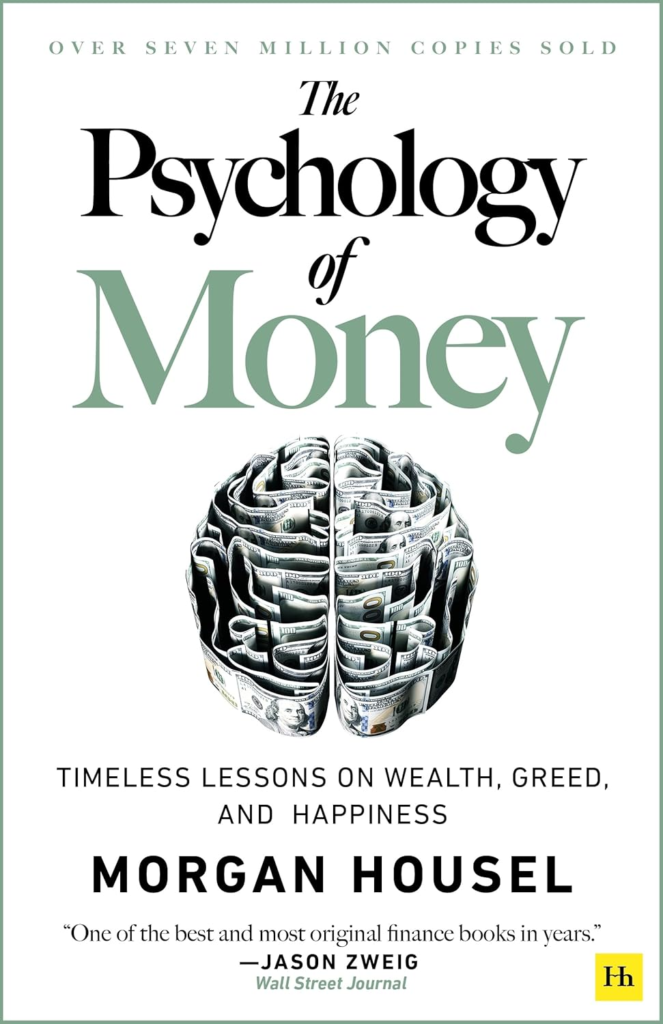
This book helps you see how money works in real life by focusing on human behavior, not just math or charts.
Pros
- Easy to read with stories that stick
- Changes how you think about wealth
- Works for all levels of experience
Cons
- Not a step-by-step guide
- Some ideas repeat a bit
- Focuses more on mindset than tactics
You might find this book refreshingly simple compared to others. It uses everyday examples to show why people make certain money choices.
The writing feels personal and digs into how emotions shape our financial lives. It won’t give you a budget template or investment plan, but it will shift your perspective.
If you want to approach money with less stress and more wisdom, this book’s a solid pick. It’s good for both beginners and folks who already know a bit.
I Will Teach You to Be Rich
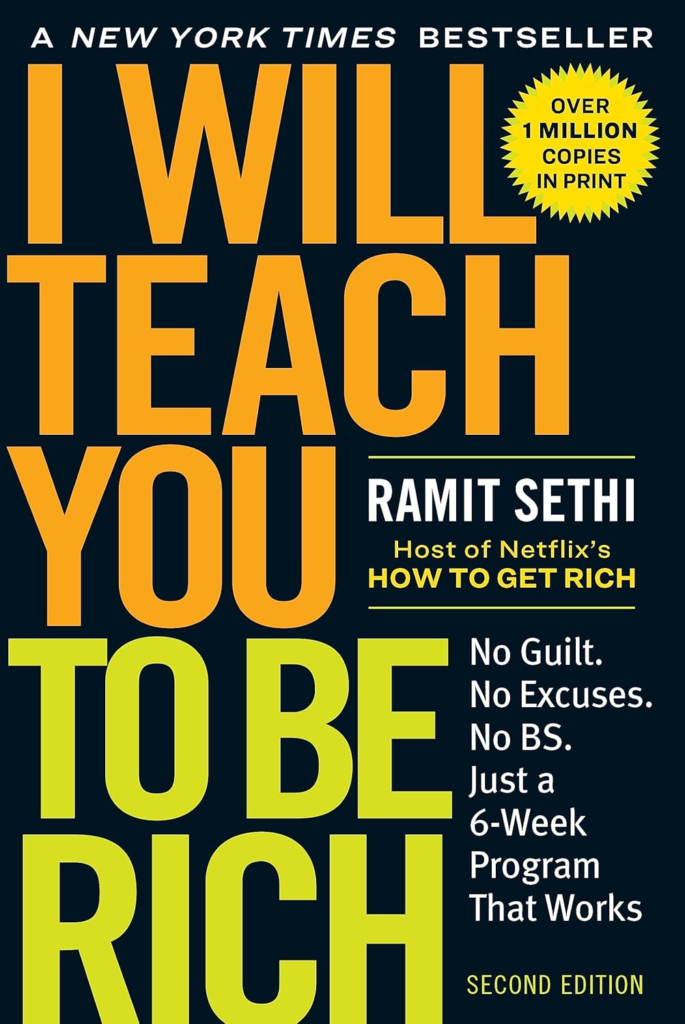
This book gives you a clear, practical plan to take control of your money in six weeks. It’s direct and doesn’t waste your time.
Pros
- Simple steps for saving and investing
- Realistic advice for everyday life
- Encourages smart spending without guilt
Cons
- Focuses a lot on credit cards
- Better for beginners than experts
- Mainly written for a U.S. audience
The author’s style is friendly and straightforward. Complicated topics break down into simple actions you can actually do.
I found it helped me build a savings habit without feeling overwhelmed. The “no guilt, no excuses” approach makes it easier to stick with.
It teaches you to spend wisely and still enjoy life. The plan covers investing and credit scores too.
If you’re new to money management or want a fresh start, this book gives you a strong foundation. No jargon—just advice you can use right away.
Infographic Guide to Personal Finance
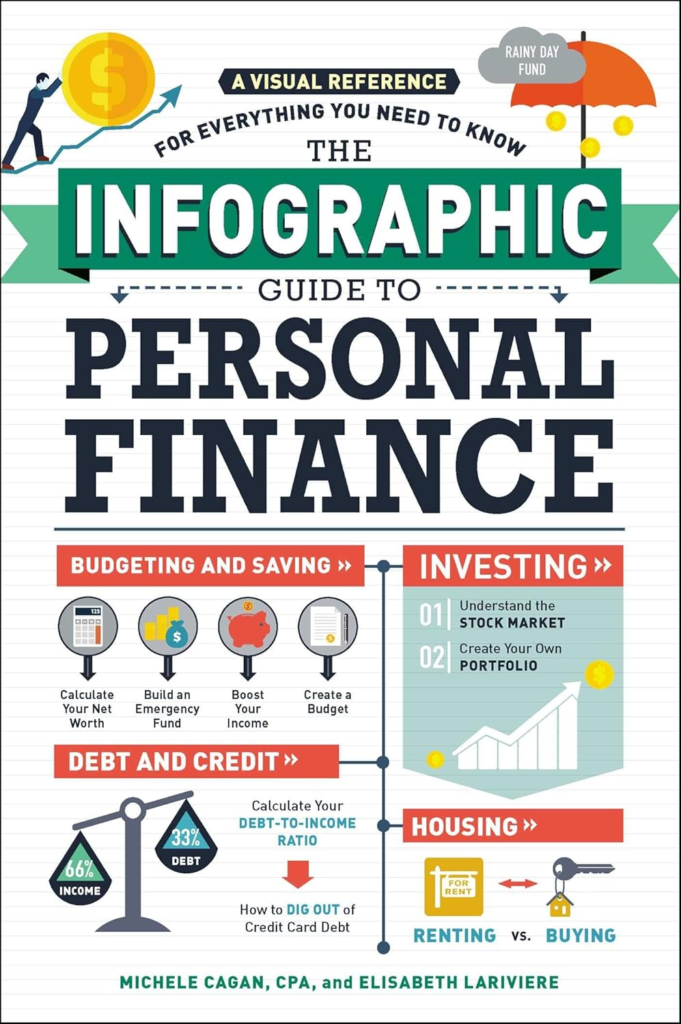
This book teaches basic personal finance ideas with visuals that make things click fast. It skips the long explanations.
Pros
- Strong visuals explain concepts
- Short and easy to finish
- Great for beginners
Cons
- Mainly about U.S. financial systems
- Not deep enough for experienced readers
- Some might find it too simple
If you like charts and pictures, this guide makes money topics less intimidating. It turns complex terms into something you can actually understand.
Since it focuses on basics, you won’t find detailed strategies here. But if finance feels confusing, it’s a good place to start.
The visual format keeps it from being boring. Just know it’s mostly about how things work in the U.S., so some parts may not fit everyone.
Personal Finance For Dummies
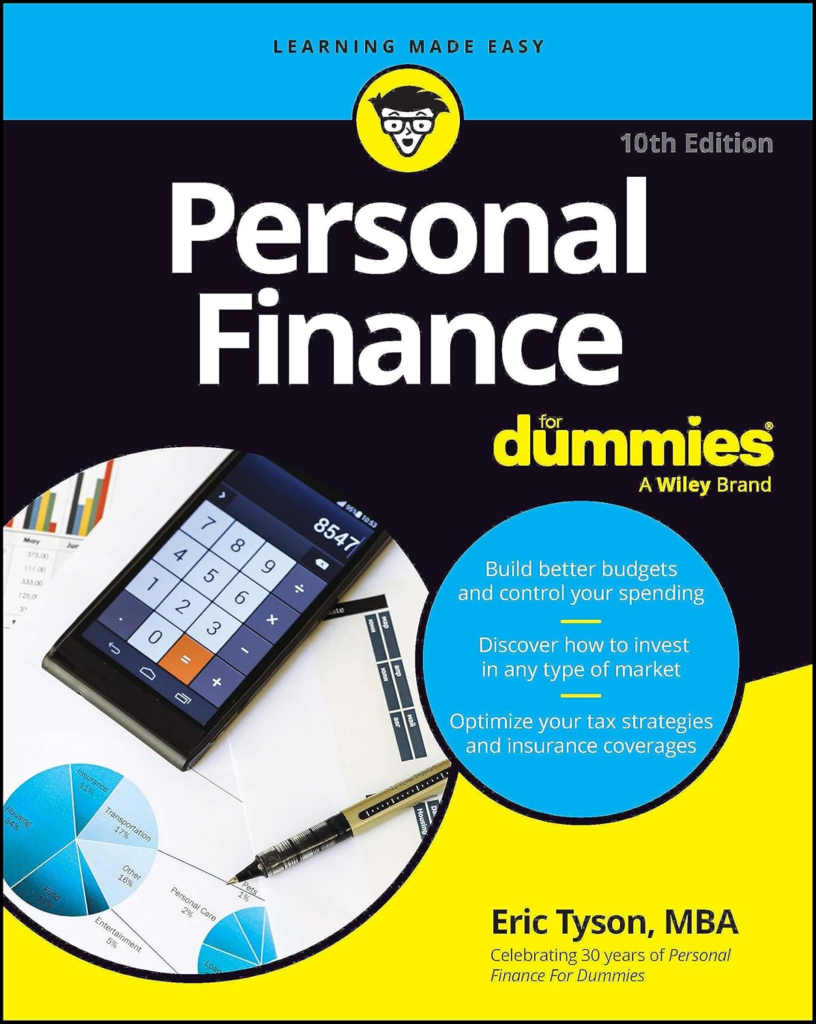
This one’s a solid choice if you want a guide that’s clear and simple. No confusion, just basics.
Pros
- Easy to follow for beginners
- Covers all the basics
- Gets updated regularly
Cons
- Some sections feel long
- Not detailed enough for advanced users
- The physical book is pretty heavy
If you’re just starting out, this book breaks down the basics well. It uses simple language and examples from real life.
The author explains things like budgeting, saving, and investing in a way that’s easy to get. No complicated jargon or confusing stuff here.
The book is long, but it’s organized so you can skip to what matters most. If you already know a lot about finance, it might feel a bit basic.
Still, it’s a great foundation for building good money habits. You can check it out on Amazon.
Simple Path to Wealth
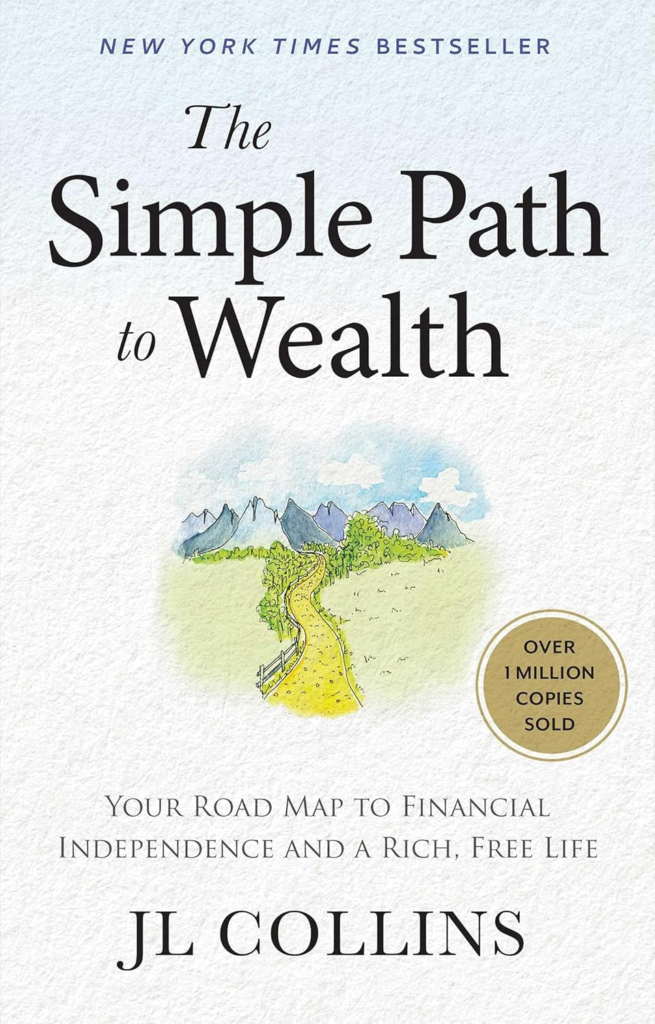
This book is great if you want advice on building wealth without all the complicated details. It’s straightforward and honest.
Pros
- Easy to understand, even for beginners
- Focuses on low-cost index funds
- Practical steps you can actually follow
Cons
- Mainly about American stocks and taxes
- Some parts feel basic if you know investing already
- Advice needs patience and a long-term view
The book makes financial independence feel possible. It breaks down money ideas with simple language and relatable examples.
Keeping costs low with index funds helps protect your savings from fees. You’ll see why slow and steady wins in investing.
It shows you how to stay disciplined and avoid common mistakes. If you want your finances to stay simple, this book fits well.
Total Money Makeover
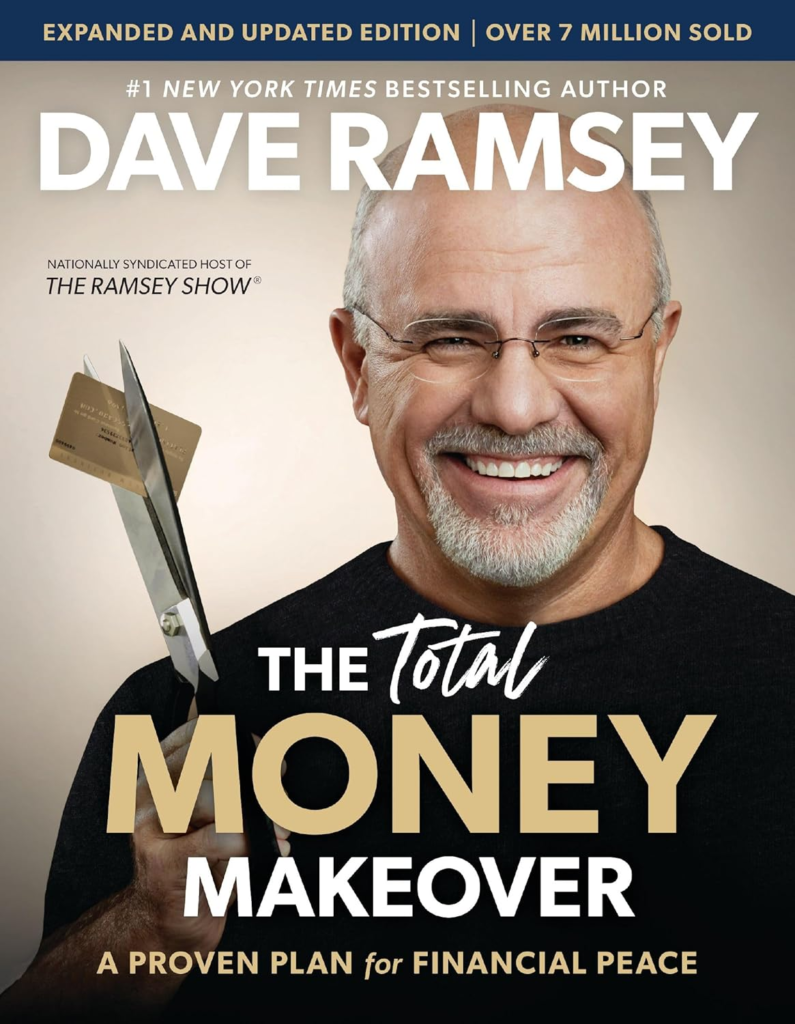
If you want a direct plan to take charge of your money and ditch debt, this book is a strong pick.
Pros
- Clear, step-by-step advice
- Focuses on getting rid of debt
- Easy to understand, no confusing talk
Cons
- Can feel strict or intense
- Mostly about debt, less about investing
- Some advice repeats
Total Money Makeover gives you a down-to-earth way to fix your money habits. The steps push you to pay off debt fast.
It’s easy to follow, even if you’re new to personal finance. What really stood out was how it changed my view on borrowing money.
The book insists on no debt, which is tough but works. It also motivates you to build an emergency fund right away.
This isn’t about quick fixes or complicated systems. If you want plain advice you can start using now, it delivers. Some ideas repeat, but honestly, that just makes the message stick.
Rich Dad Poor Dad
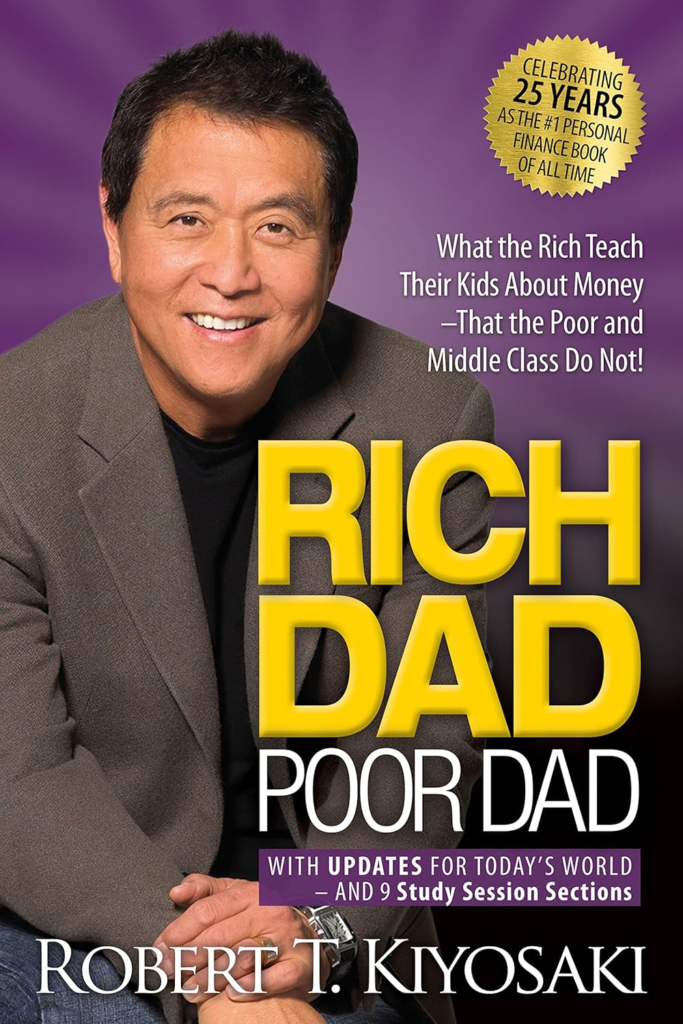
This book is a solid pick if you want to rethink how you see money. It shares practical ideas about building wealth without feeling overwhelming.
Pros
- Stories make financial ideas clearer and easier to remember
- Pushes you to see assets and money in a new way
- Useful lessons for beginners and curious investors
Cons
- Some advice feels basic if you know personal finance already
- Print is a bit light, so reading in dim light is tough
- Focuses more on mindset than step-by-step investment plans
Pick up Rich Dad Poor Dad and you’ll get more than facts—you get stories that actually stick. The “two dads” approach makes the money lessons feel real and relatable.
It teaches you why building assets matters more than just working for a paycheck. The book breaks down money talk so anyone can follow, whether you’re new to this or just want a fresh perspective.
You’ll find short reviews at the end of chapters, so you can pause and think about what you’ve just read. If you’re already deep into finance, some parts might feel too simple.
The font in this edition isn’t very dark, which is annoying if you like reading at night. Still, the mindset shift is genuinely valuable.
Let Them Theory by Mel Robbins
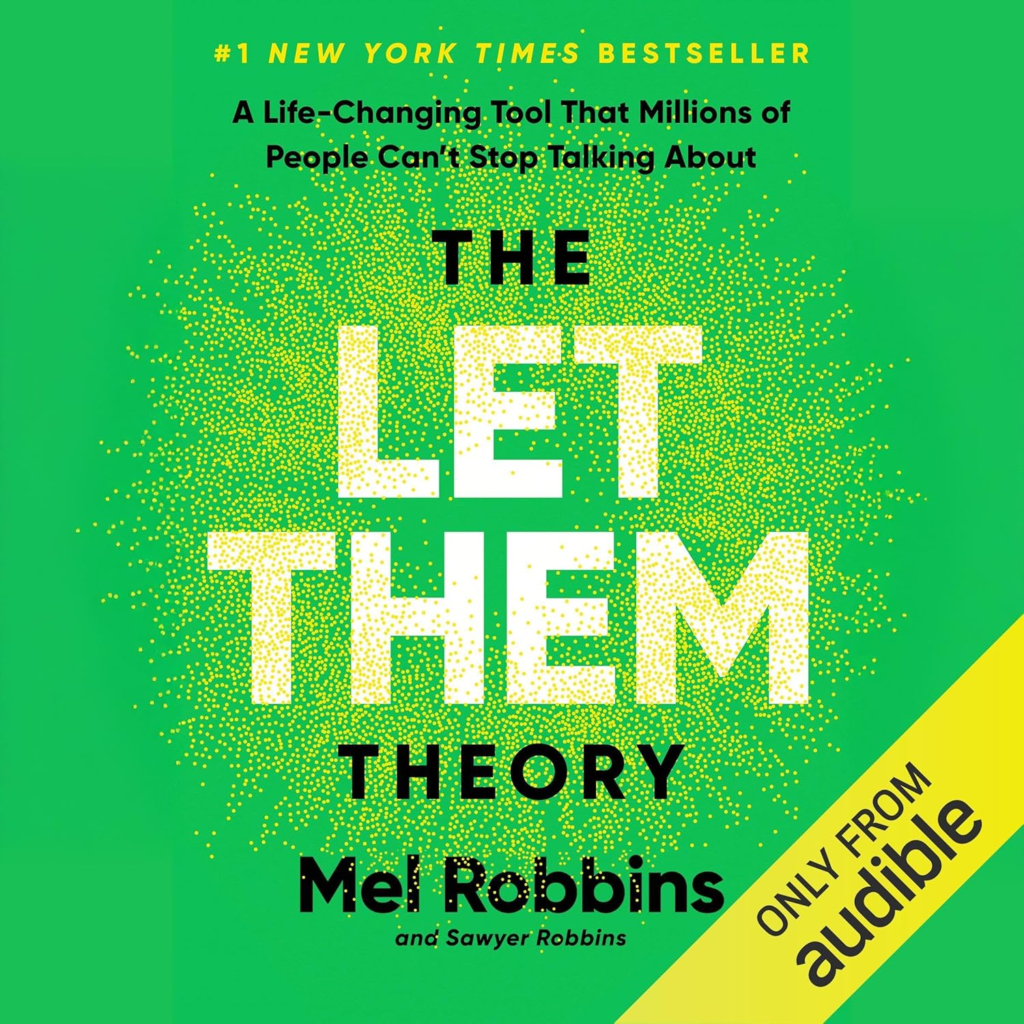
Looking for a simple, practical tool to help you let go of control and stress? This audiobook really delivers.
Pros
- Super easy to follow and relatable
- Clear narration and good pacing
- Advice that actually sticks with you
Cons
- Some ideas repeat a bit
- Focuses on mindset, not detailed finance tips
- Cover design feels a little plain
Mel Robbins breaks down the “Let Them Theory” in a way that just makes sense. I found myself thinking about her points long after finishing.
The pacing works well for listening on busy days or during commutes. This isn’t about complex financial formulas—she guides you to change your mindset around control and stress in money matters.
If you want tools for your mental approach to money, you’ll find it useful. Sure, a few parts repeat, but hearing her speak directly keeps things engaging.
It offers a fresh angle on personal improvement that fits lots of situations.
Think and Grow Rich
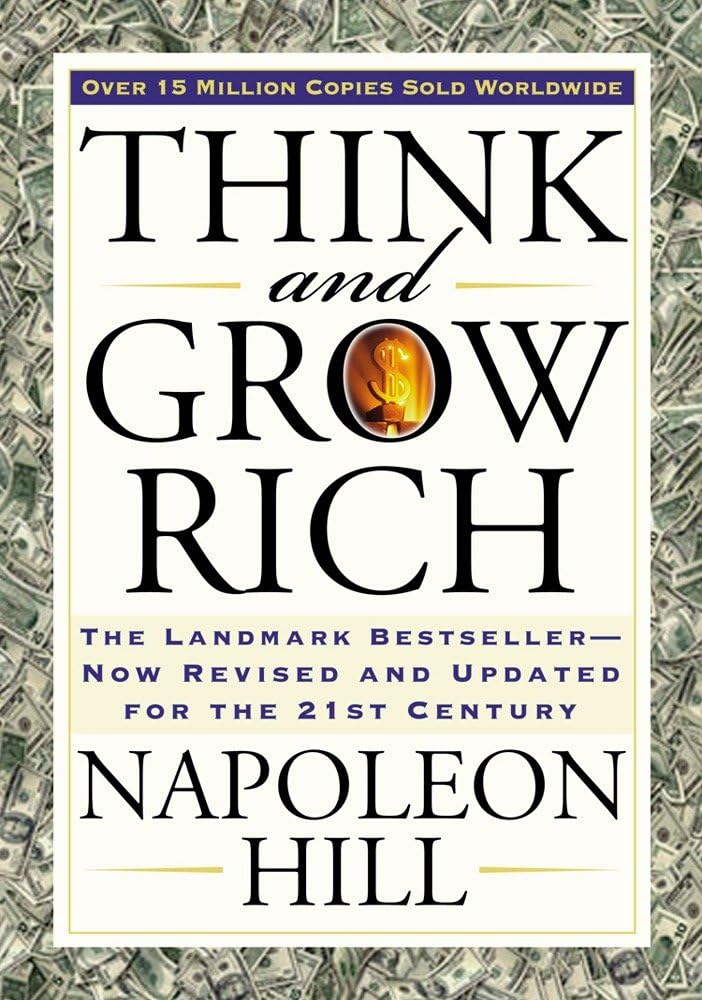
This book helps you develop the mindset for building wealth and reaching goals. It’s all about proven principles that actually work.
Pros
- Clear ideas about success and building wealth
- Mindset tips you can use right away
- Updated for today’s readers but keeps its original value
Cons
- Some language feels dated
- It takes time to read and process
- Mainly focuses on mindset, not detailed money strategies
I found this book powerful for seeing how your thoughts shape financial success. It really pushes you to believe in your goals and stick with them.
The ideas are timeless, even though it’s decades old. The updated edition helps, but you’ll still spot some old-school terms.
If you’re ready to put in the effort and rethink your approach to money, it’s a solid pick. It’s more about changing how you think than offering quick tips.
Personal Finance 101
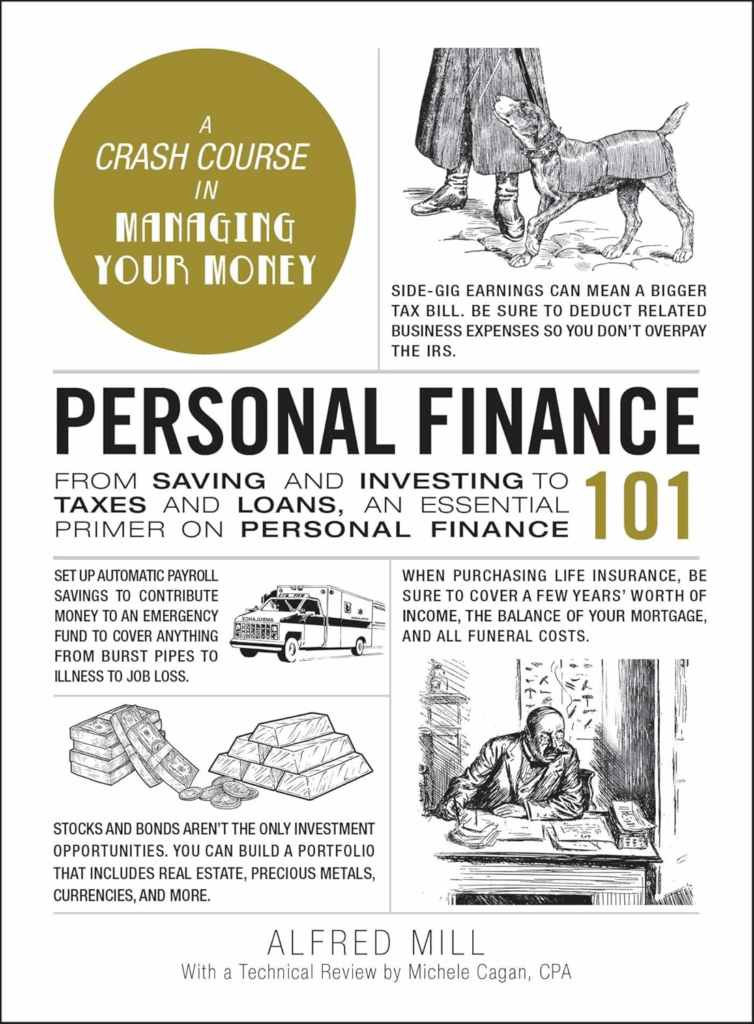
If you want a clear, simple guide to the basics of money management, this book works well. It doesn’t get bogged down in jargon or endless explanations.
Pros
- Easy to understand, even for finance newbies
- Covers key topics like saving, loans, and taxes
- Real-life examples make tricky ideas easier
Cons
- Some parts feel too basic if you know finance already
- Lacks deep detail on advanced investing
- Writing is straightforward but not super engaging
This book breaks down personal finance in a way that feels doable. You get quick lessons on saving, handling debt, and even managing taxes.
If you want to get your finances organized without feeling overwhelmed, it’s helpful. The actionable steps make it easier to take charge of your money.
Examples connect well to real-life situations you might run into. If you just want an overview or need a quick refresher, this book saves you time and confusion.
Buying Guide
When you’re picking a personal finance book, think about your money goals. Are you trying to save, invest, budget, or get out of debt?
Books that focus on your specific needs will help more. Consider the book’s level of difficulty—some are for beginners, others for people with more experience.
Choose one that fits your background so you don’t feel lost or bored. Look for books with clear, practical advice—you want tips you can use right away.
Avoid books packed with theory or confusing language. Check the book’s format and length too.
Some people like short, simple reads, while others want all the details. Pick a length and style that matches how you like to read.
| Feature | What to Look For |
|---|---|
| Topic focus | Matches your financial goals |
| Difficulty level | Beginner, intermediate, or advanced |
| Practical advice | Clear steps you can apply |
| Format & length | Short and simple or detailed and long |
Skim reviews or summaries before buying if you can. They’ll give you a feel for whether the book is easy to follow and actually helpful.
How recent is the book? Finance rules and tools change, so up-to-date info matters.
Frequently Asked Questions
Choosing the right personal finance book can make managing money a lot easier. Here’s a quick look at what’s good for beginners, young adults, recent bestsellers, and classics that keep coming up.
What are the top recommended personal finance books for beginners?
Try The Total Money Makeover by Dave Ramsey or Your Money or Your Life by Vicki Robin. They cover basic money habits and budgeting in a way that’s easy to follow.
Both explain how to save, cut debt, and set simple financial goals. They’re great for learning money control from scratch.
Which personal finance book is considered the best for young adults?
I Will Teach You to Be Rich by Ramit Sethi is a top pick. It focuses on building wealth early and gives practical tips you can use right away.
The tone is straightforward and helps young adults dodge common mistakes. It also covers investing basics and credit cards.
Can you suggest some best-selling personal finance books of the last decade?
The Psychology of Money by Morgan Housel and Rich Dad Poor Dad by Robert Kiyosaki have sold really well. These books dig into how you think about money and how to grow wealth.
Other favorites are Atomic Habits by James Clear, which is about habits that improve your financial life (and more).
Where can I find personal finance books in PDF format for free?
You’ll find free eBooks on sites like Project Gutenberg or your local library’s digital collection. Some authors and publishers offer free PDFs on their own websites too.
Just make sure the sites are legal so you don’t run into copyright trouble. Public domain books are always safe and free to download.
What are the most revered personal finance books throughout history?
The Richest Man in Babylon by George S. Clason is a classic, packed with simple advice from ancient stories. Think and Grow Rich by Napoleon Hill has influenced so many people with its focus on mindset.
These books have stuck around because they teach money wisdom that still works today.
Which personal finance books are highly recommended by experts on Reddit?
Experts on Reddit keep mentioning The Simple Path to Wealth by JL Collins and Broke Millennial by Erin Lowry.
People seem to like books that cut through the noise and actually help you figure things out, without making it complicated.
These two titles pop up all the time in finance communities and forums, especially when folks ask for solid, no-nonsense advice.