
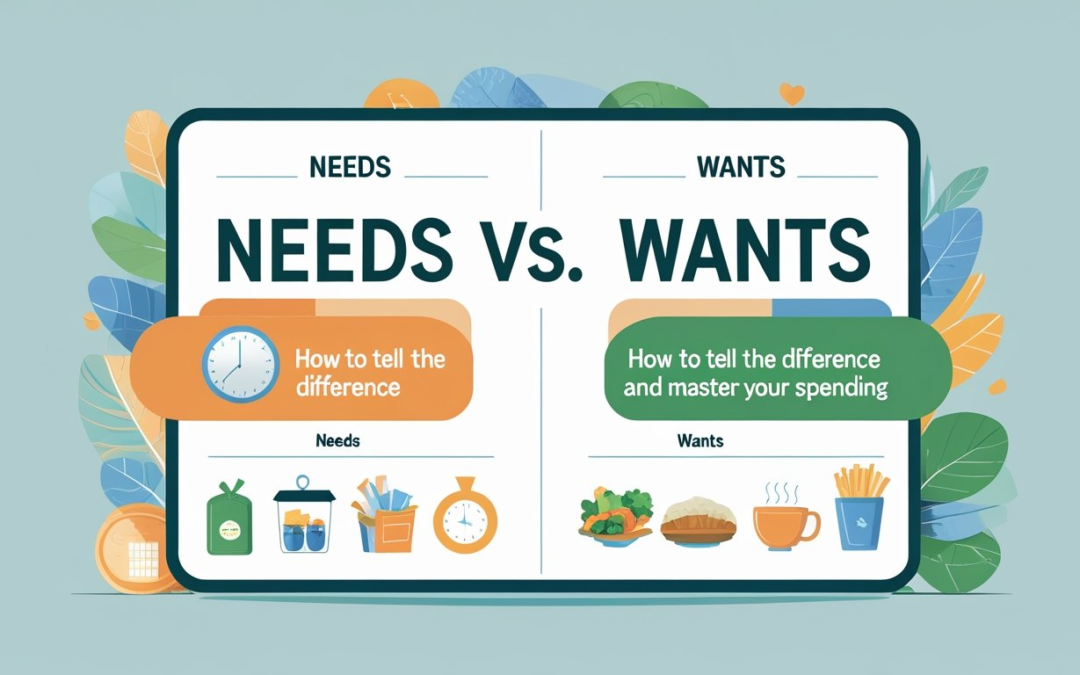
Figuring out the difference between needs and wants is honestly a big deal if you want to get a handle on your spending. Needs are things you just can’t skip—like a roof over your head, food, and getting around. Wants? They’re the extras, like movie nights or a new gadget, that make life nicer but aren’t exactly crucial.
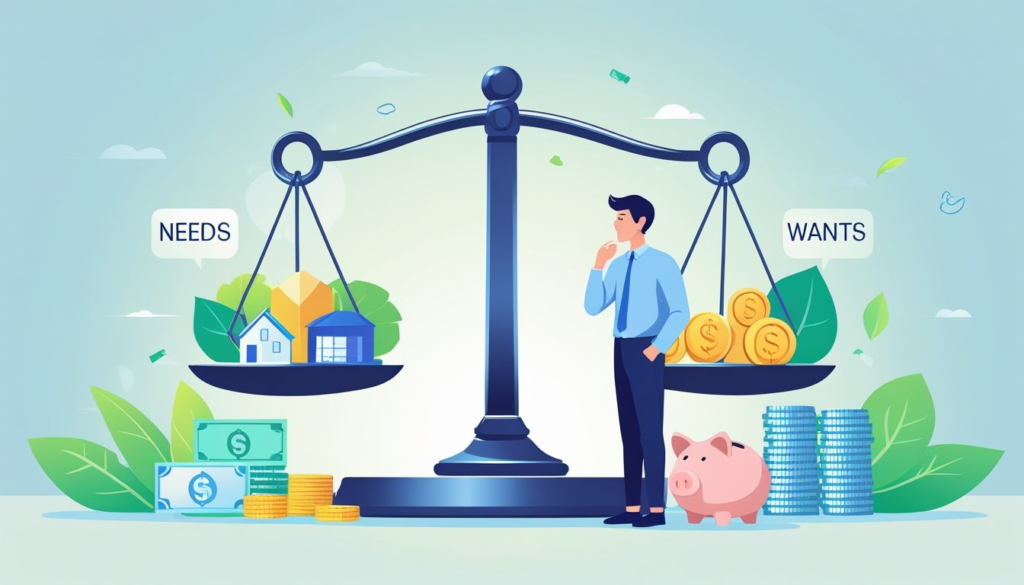
Spotting the difference gives you a shot at building a budget that covers what you have to pay for, but still leaves a little room for the fun stuff. This way, you can dodge overspending and stash away some cash for the future or those “just in case” moments.
When you get good at this, you’ll start to focus on what’s really important and cut back on the rest. It’s not magic, but it does make everyday choices feel a bit less stressful.
Key Takeaways
- Focus on what you truly need to get by each day.
- Try to strike a balance between essentials and little luxuries.
- Knowing where your money goes helps you save and keeps overspending in check.
Defining Needs and Wants

Getting the basics down—what’s a need and what’s a want—makes managing your money a whole lot easier. Needs are the must-haves for living and working. Wants are the nice-to-haves that just make things more enjoyable.
Once you know what falls into each group, you can plan your spending with a bit more intention. It’s not always obvious, but it gets easier with practice.
What Qualifies as a Need
A need is anything you can’t really do without day-to-day. If skipping it would mess with your health or safety, it’s a need. Think rent or your mortgage—you literally need a place to stay.
Groceries are another obvious one. You’ve got to eat, after all. Utilities like water, heat, and electricity keep your home livable. If you need transportation to get to work or run important errands, that counts too.
Healthcare and basic clothes? Definitely needs. These should always come first in your budget.
What Defines a Want
Wants are those things that add comfort or fun, but you could totally get by without them. They’re not essential for survival, just nice perks.
Grabbing takeout, going on vacation, or binge-watching your favorite shows—these are all wants. Streaming subscriptions and the latest gadgets? Also wants.
Wants will look different for everyone. Just make sure you’ve got your bases covered before you splurge on extras.
Examples of Common Needs and Wants
If you’re not sure where something fits, here’s a quick cheat sheet:
| Needs | Wants |
|---|---|
| Rent or mortgage | Vacations |
| Groceries | Dining out |
| Utilities (electricity, water, heating) | Streaming services |
| Transportation to work | Gym memberships |
| Healthcare | Luxury clothes |
| Basic clothing | New gadgets |
Spotting these in your own spending helps you put the essentials first. That focus can really lighten the load and keep debt at bay.
Why Distinguishing Needs from Wants Matters

Knowing what’s a need and what’s a want isn’t just a budgeting trick—it actually shapes your whole financial outlook. If you mix up the two, you might end up short on the essentials and wondering where your money went.
Impact on Financial Health
When you draw a clear line between needs and wants, you make sure the must-haves get paid first. Housing, food, healthcare, and getting around—these are the backbone of your daily life. Covering them keeps things steady.
Sticking to this approach also gives you a chance to save and be ready for emergencies. It helps you avoid those “uh-oh” moments when a bill pops up unexpectedly.
Only spending on wants after you’ve handled your needs keeps you from digging yourself into debt. It’s a habit that makes your finances a whole lot less stressful.
Consequences of Misclassifying Expenses
If you treat wants like needs, it’s easy to blow your budget on stuff that doesn’t really matter. Maybe you buy a pricey gadget and then realize you’re short on rent. That’s a rough spot to be in.
When you get your priorities mixed up, you might start relying on credit just to make ends meet. That debt adds up fast and can make emergencies even harder to handle.
It’s also tough to save if you keep convincing yourself that every little treat is a need. Without a safety net, even small surprises can throw you off course.
So, being honest with yourself about what’s essential keeps your money working for you—not against you.
Psychological Triggers and Lifestyle Influences
Let’s be real—your feelings and habits play a huge role in how you spend. Sometimes you buy things because you’re bored or stressed, not because you need them. Noticing these patterns is half the battle.
Emotional Factors Driving Spending
Emotions can totally hijack your wallet. Bad day? Retail therapy. Feeling left out? Maybe you splurge on something shiny to cheer up. It’s super common, but it doesn’t always help.
Stores know this, too. Sales and “limited time only” deals are designed to make you act fast, even if you don’t really need what they’re selling.
If you catch yourself shopping because you’re feeling some type of way, try to pause. Maybe call a friend or go for a walk instead.
Lifestyle Inflation and Social Pressures
It’s wild how fast your spending can creep up when you start making more money. Suddenly, those little luxuries feel like must-haves. That’s lifestyle inflation, and it can sneak up on anyone.
Seeing your friends buy new stuff can also make you want to keep up—even if it’s not in your budget. Social media doesn’t help, either. Everyone’s showing off their best moments and coolest buys.
Being aware of these pressures is the first step. Check in with yourself: Are you buying this because you want it, or because you feel like you should?
Impulsive Spending Habits
Impulse buys are the budget’s worst enemy. You see something, you want it, you buy it—no plan, no pause.
Those little “treat yourself” moments add up fast. Maybe it’s a snack at the checkout or a gadget you saw online. Before you know it, your spending is out of control.
Try making a rule for yourself: wait 24 hours before buying anything that isn’t a clear need. It’s surprisingly effective.
How to Identify Needs vs. Wants in Your Budget
Sorting your expenses into needs and wants can feel a bit tedious, but it’s worth it. Once you know what you have to pay for, you can see what’s left for the fun stuff. It’s all about balance, right?
Practical Steps for Categorizing Expenses
Start with a list of everything you spend money on each month. Go through and tag each one as a need or a want.
Needs are things like rent, utilities, food, and healthcare. Wants are stuff like takeout, concerts, and the latest phone.
Here’s a quick table to help keep it straight:
| Expense Type | Examples | Is it a Need or Want? |
|---|---|---|
| Housing | Rent, mortgage, home repairs | Need |
| Utilities | Electricity, water, internet | Usually a Need (internet may vary) |
| Food | Groceries | Need |
| Transportation | Gas, bus fare, car payments | Need |
| Entertainment | Movies, dining out | Want |
| Clothing | Basic vs. luxury items | Needs for basics, wants for extras |
Once you have everything sorted, set limits based on your income. Some people say 40%-70% for needs and 10%-30% for wants, but honestly, it depends on what works for you.
Questions to Ask Before Spending
Before you swipe your card, ask yourself: Do I really need this to get through the day? If not, it’s probably a want.
Can you wait or skip it? Wants usually aren’t urgent.
Think about whether it’ll help you long-term, or if it’s just a quick pick-me-up. Needs support your life and future; wants are for fun.
These little gut-checks can save you from regret later on.
Adjusting for Life Stages and Changing Priorities
What counts as a need or want can shift as your life changes. Maybe you’re a student now, but later you’ll have a family or different health priorities.
It’s smart to review your budget every so often. Something that was a splurge before, like a gym membership, might become a need if your doctor says so.
Big life changes—new job, moving, kids—can all shake up what’s essential. Don’t be afraid to tweak your budget to match where you’re at.
Budgeting Strategies for Needs and Wants
If you want to keep your spending in check, you need a plan that makes sense for you. Tracking what you spend, setting aside savings, and being honest about what matters most are all part of the process.
The 50/30/20 Rule Explained
The 50/30/20 rule is a popular way to split up your money: half goes to needs, 30% to wants, and 20% to savings and debt. Needs cover the basics—rent, food, insurance. Wants are the fun stuff, like eating out and travel.
It’s a guideline, not a law. If your needs eat up more than half your income, you might need to trim your wants or find ways to cut fixed costs. The last 20% for saving and paying off debt builds a cushion, so you’re not scrambling when life throws you a curveball.
Using Budgeting Tools and Apps
Budgeting apps make it easier to track spending and keep your budget organized. You can enter your income and expenses, and the app sorts them into needs or wants.
Many apps send reminders if you’re close to overspending in any category. You can also link your bank accounts and credit cards for real-time updates.
Some tools suggest ways to save or cut costs. Honestly, using a budgeting app just takes a lot of guesswork out of managing money and helps you stick to your plan.
Managing Savings and an Emergency Fund
Saving money is key for handling emergencies without falling into debt. An emergency fund covers things like car repairs or medical bills.
Try to save three to six months’ worth of essential expenses. Start by setting aside small amounts regularly, even if it’s just a little each month.
Keep your emergency fund separate from your daily spending money. Focus on building this fund before spending on non-essentials.
Mastering Mindful and Intentional Spending
Mindful spending lets you enjoy life while keeping your finances in check. Setting clear goals helps guide your choices and keeps your money working for you.
Sometimes, getting expert advice can save time and help you avoid mistakes. It’s not always obvious when you need it, but it’s worth considering.
Balancing Enjoyment and Responsibility
You don’t have to give up all fun to be responsible with your money. Mindful spending means picking purchases that really add value without wrecking your budget.
Try the 50/30/20 rule as a simple guide:
- 50% for essentials
- 30% for wants and enjoyment
- 20% for savings or debt
This way, you can still enjoy things like dining out or hobbies while covering your needs and building some security. Pause before buying and ask if this fits your priorities or if it’s just a quick fix.
That little pause can help you avoid buyer’s remorse and keep your spending intentional.
Setting Financial Goals for Long-term Success
Clear goals give you direction and motivation to spend wisely. Define both short-term goals, like building an emergency fund, and long-term ones, such as saving for a home or retirement.
Write your goals down and break them into smaller steps. It’s easier to track progress and stay motivated this way.
Check in regularly to see if your spending lines up with these goals. Spending on wants shouldn’t block you from reaching what matters most.
When to Consult a Financial Advisor
A financial advisor can help if you want personalized guidance. Consider reaching out if you’re unsure how to plan for big goals, need help managing debt or investments, or if your financial situation feels complicated or is changing.
Pick an advisor who understands your values and goals. Their support can bring clarity and confidence to your plans.
Frequently Asked Questions
Knowing how to tell needs from wants helps you make better spending decisions. Asking clear questions and looking at examples can help you sort essentials from extras.
What criteria can I use to differentiate between a need and a want?
A need is something you must have to live safely and function well—like food, shelter, clothing, and healthcare. A want is something that makes you more comfortable or happy but isn’t essential for survival or work.
Ask yourself: Can I live or work without this? Does it solve a real problem, or just make life a bit easier or more fun?
How can I incorporate the understanding of needs and wants into my personal budgeting?
Label your expenses as needs or wants. Allocate a set percentage of your income to each—maybe 50% for needs and 30% for wants.
Track this to avoid overspending on wants at the expense of your needs or savings. This way, you pay for essentials first but still have room for enjoyment.
What are some common examples that illustrate the difference between needs and wants?
Needs include safe housing, basic clothing, food, utilities like water and electricity, and reliable transportation if you need it. Wants might be eating at fancy restaurants, buying designer clothes, or getting the latest phone.
What counts as a need can depend on your lifestyle and job, but essentials always come first.
Can psychological factors influence the perception of needs versus wants, and if so, how?
Definitely. Emotions and habits can blur the line between needs and wants. Sometimes you feel like you need something to be happy or fit in, even if it’s not essential.
Marketing and social pressure can make wants feel urgent. Waiting before you buy can help you figure out if it’s really necessary.
What methods can help individuals prioritize their spending effectively when dealing with needs and wants?
Use budgeting methods like the 50/30/20 rule or pay-yourself-first strategy to plan your money. Write down your goals and track your spending regularly.
If you’re not sure, pause and ask if the purchase matches your priorities or if it can wait. Prioritizing needs and savings before wants can help you avoid debt.
How can the distinction between needs and wants impact long-term financial goals?
When you focus on needs first, you’re more likely to stay financially stable. That means you can handle emergencies without panicking.
If you manage your wants thoughtfully, you’ll have a better shot at saving for things like paying off debt or building up your emergency fund. But let’s be honest—overspending on wants can throw your plans off track and add unnecessary stress.