

Living a richer life doesn’t require a huge paycheck or fancy stuff. You can create a joyful, fulfilling life by making smart choices with your money and focusing on what really matters.
When you prioritize experiences, manage spending, and embrace simplicity, you gain freedom and peace of mind. You don’t have to stretch your budget to feel content.

Redefining what it means to be rich helps you find happiness in everyday moments. It’s about having control over your finances and choosing how to spend your time and resources.
Let’s talk about how you can get the most from your budget while still enjoying what you love. Saving more, reducing stress, and building strong relationships can enrich your life beyond just money.
Key Takeaways
- Focus on meaningful experiences instead of material things.
- Manage your money to gain freedom and reduce financial stress.
- Build a fulfilling life by spending wisely and valuing what matters most.
Redefining What It Means to Live Rich

Living richly isn’t about expensive things or a giant bank account. True wealth comes from what matters—your time, freedom, relationships, and mindset.
You can live a richer life by focusing on joy and purpose, not just possessions.
Shifting Focus From Material Possessions to Fulfillment
Maybe you think being rich means having the latest gadgets or luxury items. But those things rarely bring lasting happiness.
Investing in experiences creates memories and joy that actually stick with you. Gifts like museum memberships or family trips build connection and fulfillment.
Choosing experiences over things also means less clutter and stress. When you focus on what truly matters, you’ll find more satisfaction on a lean budget.
Living richly is really about deciding where your money supports your happiness, not just what it buys.
Defining True Wealth and Financial Freedom
True wealth is more than money. It’s the freedom to make choices that fit your life.
Financial freedom means you’re not stuck in jobs or situations that drain you. Your money supports your values—maybe that’s spending time with family, pursuing passions, or choosing meaningful work.
Saving and planning build security so you can say yes to what’s important. Financial independence gives you control over your life right now, not just someday.
The Power of Gratitude in Daily Life
Gratitude changes your perspective. When you focus on what you have, you feel richer without spending more.
Try jotting down three things you’re thankful for each day. This small habit can shift your mindset from scarcity to abundance.
You’ll start to enjoy simple pleasures, like a morning walk or quiet coffee. Gratitude can reduce stress and boost happiness, making life feel richer no matter your budget.
Building a Bulletproof Budget for Richer Living

You need a budget that reflects what’s most important to you. Clear methods and tools can make managing your money easier.
Creating a Budget That Matches Your Values
Start by listing essentials—housing, food, utilities. Make sure these fit within your income.
Decide what spending actually adds value to your life, like travel or hobbies. Allocate money to savings and debt repayment before guilt-free spending.
This protects your future while letting you enjoy things you care about. Don’t cut every fun expense; just reduce or eliminate costs that don’t support your goals.
Budgeting Methods for Predictable Results
Pick a budgeting rule that fits your style. The 50/20/30 rule assigns 50% of income to needs, 20% to savings and debt, and 30% to wants.
This balance helps you cover essentials, save, and enjoy spending without guilt. Track your spending to spot where you go over budget.
Set up systems to automate bill payments, savings, and debt payments. Automation helps you stay on target without constant effort.
Using Budgeting Apps to Stay on Track
Budgeting apps can make money management simpler. They link your accounts and categorize expenses automatically.
Look for apps with bill reminders, spending alerts, and goal tracking. Use them to visualize progress and adjust your budget as needed.
Many apps let you set sub-categories for savings, like emergency funds or big purchases. Automating savings keeps your habits strong, even when life gets busy.
Smart Saving and Growing Your Financial Security
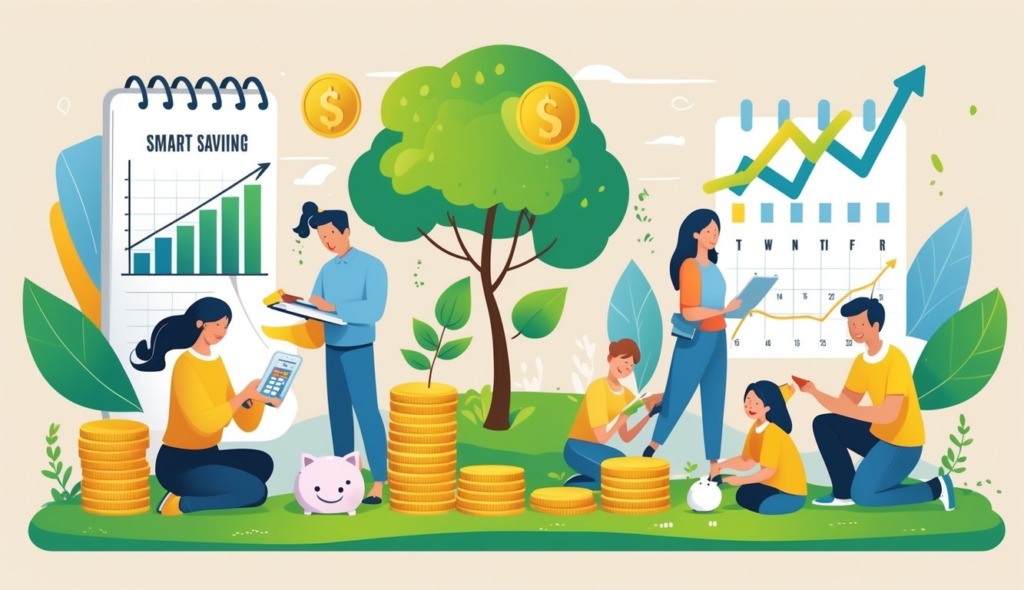
To strengthen your finances, focus on creating a safety net and adopting practical saving habits. Choose the right tools to build steady savings and boost your stability over time.
Building and Maintaining an Emergency Fund
Set aside money for unexpected expenses like medical bills or car repairs. Aim for at least three to six months’ worth of essentials.
Start small—save a fixed amount regularly, even if it’s just $20 a week. Keep this money separate so you’re not tempted to spend it.
Use a high-yield savings account for your emergency fund. It offers better interest than a checking account and keeps your money safe and accessible.
Everyday Strategies to Save Money
Saving money daily starts with small, steady choices. Track your spending to find easy places to cut back.
Try meal planning, buy things on sale, and avoid impulse buys. Use cashback apps, digital coupons, or loyalty deals to stretch your budget.
Pay off your credit card balance every month to avoid debt. High-interest debt can slow down your savings and add stress.
Setting Up and Optimizing Savings Accounts
Pick a savings account with a good interest rate to grow your money faster. Look for accounts with no monthly fees and low minimums.
Consider opening multiple accounts for different goals—emergency fund, short-term needs, long-term savings. This keeps things organized.
Set up automatic transfers from checking to savings. Automating makes it easier to build funds without relying on willpower.
Maximizing Value: Quality Over Quantity in Everyday Life

Choosing quality over quantity helps you get more from your money and your time. Whether you’re picking experiences or purchases, aim for smart, lasting choices.
You can save by giving new life to used items and making thoughtful buys.
Making Investments in Experiences Over Things
Spending on experiences—like travel or classes—usually brings longer-lasting happiness than buying more stuff. Experiences create memories and skills that grow in value.
When you invest in activities, you avoid clutter. Instead of filling your home with things that might break or get forgotten, you fill your life with meaningful moments.
Focus on experiences that matter to you, like learning a hobby or spending time with loved ones. This makes your budget work smarter and supports your well-being.
How to Prioritize Quality Purchases
To prioritize quality, look for items built to last—even if they cost more up front. Choose things that fit your lifestyle and needs, and skip impulse buys that add clutter.
Ask yourself:
- Will this last longer than a cheaper version?
- Can I repair or maintain it easily?
- Does it fit my values and needs?
Investing this way can save you money in the long run. A well-made pair of shoes or sturdy furniture can last for years, so you replace things less often.
Thrifting, Upcycling, and Sustainable Choices
Shopping at thrift stores or upcycling lets you find quality for less. You reduce waste and keep useful items out of landfills.
Try simple DIY projects to refresh old furniture or clothes. Even small fixes make secondhand finds feel new and personal.
Choosing sustainable options, like reusable bags or eco-friendly products, supports your budget and the environment. These steps help you live frugally without giving up quality or your values.
Enjoying Luxuries and Fun on a Lean Budget
You can enjoy luxuries and have fun, even on a tight budget. Smart choices and local resources can make everyday life feel richer.
From your home and wardrobe to travel and entertainment, affordable options let you enjoy comfort and joy without overspending.
Luxury for Less: Home, Fashion, and Food
Create a stylish home with simple touches like in-season fresh flowers from the grocery store. These brighten your space without costing much.
For bigger upgrades, try DIY projects like painting or swapping cabinet hardware for a high-end look. When it comes to fashion, you don’t need brand new clothes.
Use eBay or Facebook Marketplace to buy designer items used at lower prices. Organize or join a clothing swap to refresh your wardrobe for free.
Plan meals to save on food but still enjoy quality. Shop at local markets for seasonal produce and grab deals near closing time.
Cooking gourmet coffee or meals at home can replace pricey daily treats.
Affordable Travel and Adventure
Travel doesn’t have to break the bank. Use apps like Hopper or Skyscanner for airfare deals.
Book stays on Airbnb or try home exchanges to save compared to hotels. Short trips offer a quick break without big costs.
Weekend getaways close to home help you recharge and spend less. Consider traveling where your money stretches further, but always plan ahead.
Explore local adventures by attending community events or hiking nearby trails. These options add richness to your life for less.
Entertainment, Social Life, and Hobbies
Host movie nights at home for fun and savings. Pop your own popcorn and buy snacks in bulk.
Organize low-cost social activities like potlucks or hobby clubs. Look for free or cheap events in your city to meet people and try new things.
For self-care, create a spa day at home using homemade scrubs or inexpensive face masks. This keeps your routine fresh without pricey salon visits.
Try these ideas to keep your fun and social life thriving, even on a lean budget.
Building Lasting Wealth and Strong Relationships
Creating long-term financial security takes more than just setting aside cash. You need to make smart investment choices, develop good money habits, and invest time in meaningful relationships.
These steps work together, helping you build both wealth and a support network that actually lasts.
Investing Strategically for the Future
Start by figuring out your options—stocks, bonds, retirement accounts, all that. Diversifying your investments lowers risk and gives you a better shot at steady growth.
Use tax-advantaged accounts like IRAs or 401(k)s to stash away money for retirement. It’s not glamorous, but it works.
Keep tabs on your credit score. It really does affect whether you’ll get loans with decent interest rates.
Don’t let high credit card balances pile up. They’ll tank your score and make debt way more expensive.
Set goals for your investments—maybe buying a home, retiring early, or just having more freedom. Check your portfolio now and then, and tweak it as life changes.
Developing Healthy Financial Habits
Good money habits are the backbone of lasting wealth. Make a budget that actually fits your life, so you can control spending and skip those impulse buys.
Pay off high-interest debt first. Credit card balances can eat away at your progress if you let them linger.
Build up an emergency fund—aim for at least three months of expenses. It’s a lifesaver when unexpected bills show up.
Compare your financial products. Hunt for credit cards, savings accounts, and loans with the best rates and perks.
Using financial apps can keep you organized and remind you of your goals, even when life gets busy.
Prioritizing Relationships and Community
Strong relationships make life richer and help you succeed financially. Invest time in family and friends—emotional support is underrated when money gets tight.
Find local groups or online communities that focus on budgeting, investing, or frugal living. Swapping stories and tips can keep you motivated and spark new ideas.
Volunteer or lend a hand when you can. Giving back builds real connections and adds meaning to your life.
Remember, financial independence isn’t just about the numbers—it’s about having the freedom to spend time with people who matter most.
Reducing Financial Stress and Living With Peace of Mind
You can ease money worries by taking clear, practical steps. Managing your daily expenses well and sticking to your plan are key to feeling calm about your finances.
Small habits really do make a difference in freeing your mind from financial stress.
Protecting Yourself From Financial Stress
Know where your money goes. Tracking spending helps you dodge those nasty surprises that cause anxiety.
Try a simple budget to plan your bills, savings, and essentials.
Automate bill payments and savings transfers if you can. It cuts down on late fees and helps your savings grow without much thought.
Set aside a little money each month for emergencies. Even a small safety net can boost your confidence and peace of mind.
Talk openly about money with someone you trust. Sharing worries lightens the load and might bring some helpful advice.
Maintaining Consistency and Motivation
Stick to your budget by checking in on it regularly. See what’s working and tweak what’s not.
Celebrate small wins—maybe paying off a debt or saving a bit extra. These moments keep you going.
Keep your financial goals in sight. Whether you’re dreaming of a home or a vacation, remind yourself why you’re sticking to your plan.
Use tools like apps or even a simple journal to track progress. Staying aware helps you make better choices without feeling overwhelmed.
Frequently Asked Questions
You can make smart choices that let you enjoy nice things without going overboard on spending. Balancing saving money and treating yourself really comes down to planning, prioritizing, and using practical tools.
What are practical strategies for living a luxurious lifestyle while sticking to a budget?
Look for deals on experiences, like discounted cruises or outdoor dates, instead of pricey dinners. Rent or buy secondhand luxury fashion if that’s your thing.
Choose meals wisely—lunch out is often cheaper than dinner but just as tasty.
How can I create a conscious spending plan that allows for both savings and indulgences?
Track your income and expenses. Split your money into needs, savings, and wants.
Let yourself have a little for treats now and then. Check your spending weekly and adjust as you go, so your plan feels doable.
What tips can help someone stick to a strict budget without feeling deprived?
Try free or low-cost entertainment, like local events or movie nights at home. Cook meals with seasonal produce from farmers markets.
Exercise outdoors instead of paying for a gym. Swap clothes or services with friends to keep costs down.
How can you prioritize expenses to ensure a balanced lifestyle on a limited income?
Cover essentials first—housing, food, bills. Then put money toward savings and paying off debt.
Whatever’s left can go to leisure and personal care. This way, you meet your needs but still leave room for enjoyment.
What are some creative ways to increase your quality of life without increasing your spending?
Host potlucks instead of eating out. Use memberships for places you visit often, like museums or zoos.
Upgrade your home or style with secondhand finds or DIY projects. Explore local parks or trails for free relaxation and fun.
How can budgeting tools and spreadsheets improve your financial management for richer living?
They let you see exactly where your money goes. You can break down spending into needs, wants, and savings.
With these tools, you’ll notice spots where you’re overspending or could easily cut back. It gets a lot simpler to keep your money working for what actually matters to you.