
An emergency fund is a special kind of savings meant for life’s surprises—stuff like losing your job, medical bills, or emergency repairs. It’s a savings account, sure, but you keep it separate from your regular savings so you don’t accidentally spend it on things that aren’t urgent.
This separation really matters. It keeps that money waiting for you when a real crisis hits.
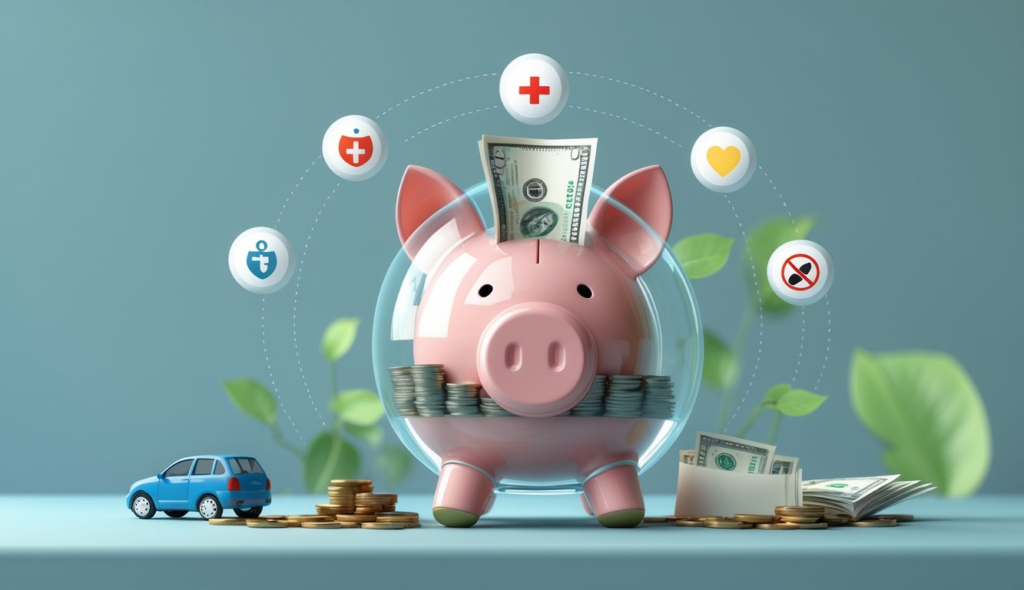
Both emergency funds and savings accounts involve setting money aside, but they’re not for the same things. Regular savings usually go toward stuff like vacations or big purchases.
Emergency funds are strictly for financial safety. You want that account easy to reach, but not so easy you’ll dip into it for everyday wants.
Key Takeaways
- An emergency fund is a savings account for sudden, essential expenses.
- Keeping emergency funds separate protects them from non-urgent spending.
- Proper management of both helps you stay financially secure and prepared.
Understanding Emergency Funds
An emergency fund acts as your financial safety net. When something unexpected happens, you can cover the costs without throwing your whole budget into chaos.
It’s all about urgent, unavoidable expenses—so you can keep your life steady even when things get rough.
Purpose of an Emergency Fund
Your emergency fund protects you from surprise expenses that could wreck your finances. It’s not for planned purchases or regular spending.
Think job loss, sudden medical bills, or a car breaking down. Having this backup means you don’t have to reach for high-interest credit cards or scramble for loans.
It’s just smart planning. You’ll sleep better knowing you’ve got a cushion for the rough patches.
Types of Expenses Covered
Emergency funds are for things you can’t predict or put off. Here are some common examples:
- Medical bills from a sudden illness or injury
- Car repairs after an accident or breakdown
- Home repairs for urgent issues, like a burst pipe or broken heater
- Loss of income if you lose your job or your hours get cut
These kinds of expenses can hit hard and fast. Keeping your emergency money easy to reach helps you deal with them quickly.
Don’t use this fund for stuff you see coming or things you just want.
How Much to Save
How much do you need? That depends on your life, but most folks aim for three to six months of living expenses.
Add up your essentials—rent, groceries, utilities, insurance, loan payments. If your job feels shaky or you’ve got health worries, maybe go for the higher end.
Here’s a simple way to look at it:
| Factor | Calculation |
|---|---|
| Monthly essential expenses | Sum of fixed and necessary costs |
| Emergency fund target | Essential expenses × 3 to 6 months |
That’s your buffer. It’s peace of mind, really.
What Is a Savings Account?
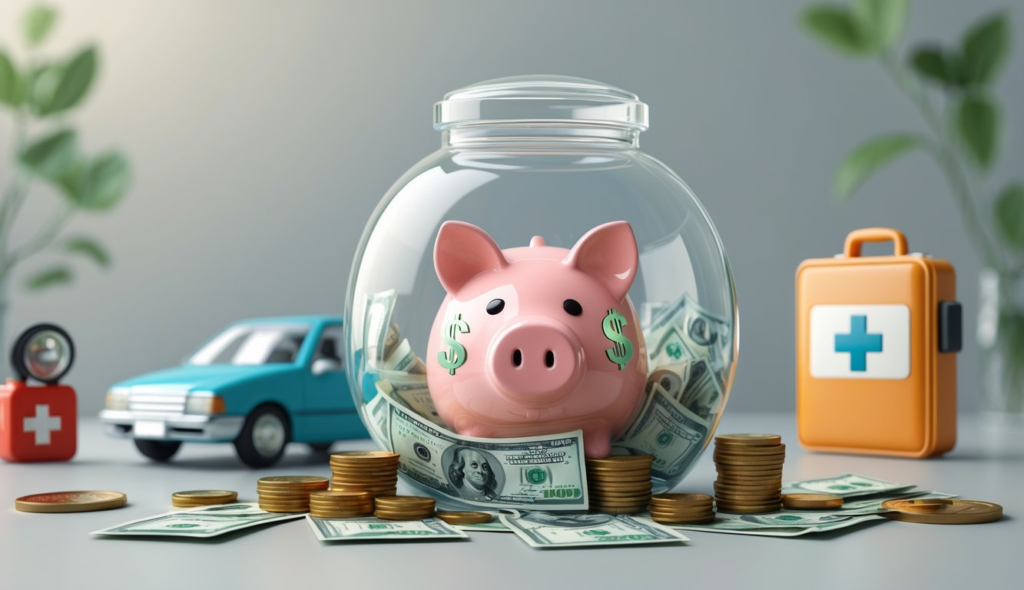
A savings account is just a safe spot for your money when you don’t need to spend it right away. It’s good for short-term and long-term goals, and you’ll usually earn a little interest.
If you know how these accounts work, you can plan better for both the fun stuff and the serious stuff.
Definition and Features
A savings account is a basic bank account for stashing your money. You can add or take out cash when you need to, but it’s not meant for daily spending like a checking account.
A few things stand out:
- Security: Your money’s usually insured up to $250,000 by the FDIC.
- Withdrawal limits: Some banks limit how often you can take money out.
- Low risk: You don’t have to worry about the stock market here.
You can open one at most banks or credit unions, and it usually links to your checking account for easy transfers.
Common Uses for Savings Accounts
People use savings accounts for all sorts of goals. Maybe you’re saving for a vacation, a down payment, or a new laptop.
Separating this money from your everyday funds helps you avoid spending it on a whim. Some folks even open different savings accounts for different goals.
Setting a clear goal makes it easier to track your progress. Automatic transfers can help you build your savings without even thinking about it.
Interest and Accessibility
Savings accounts pay you interest, so your balance grows a bit over time. The rate depends on the account—money market accounts often pay more if you meet certain requirements.
With compound interest, you earn money on your interest, too. It’s not magic, but it does add up.
You can usually get your money when you need it, either by transferring to checking, using an ATM, or stopping by the bank. There aren’t penalties for withdrawals, but some banks do limit how many you can make each month.
If you want your money handy but still working for you, pick an account with a good rate and easy access.
Emergency Fund vs. Savings Account: Key Differences
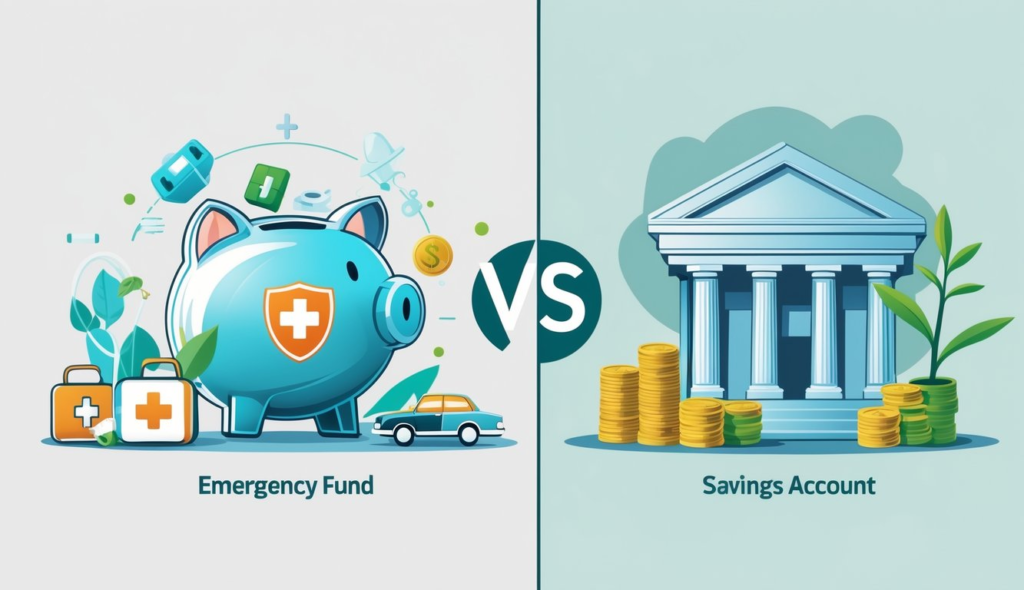
Emergency funds and savings accounts aren’t interchangeable. Each one plays a different role in your money life.
Let’s break it down.
Primary Purpose Comparison
An emergency fund is for those “oh no” moments—car trouble, medical bills, losing your job. It’s your backup plan when things go sideways.
A savings account is more open-ended. It’s for your goals, like traveling, home upgrades, or just building a little cushion.
Both are about saving, but one is a safety net. The other is more about dreams and plans.
When to Use Each Account
Use your emergency fund only if it’s a true emergency—something you didn’t see coming and can’t put off. Think broken furnace, surprise hospital visit, or a sudden layoff.
Your savings account is for the stuff you plan for, like holidays or a new gadget. You can dip into it more freely without risking your financial safety.
Keeping these separate means you won’t accidentally raid your emergency fund for something that isn’t, well, an emergency.
Access and Liquidity
Both accounts should be easy to access when you need cash. Most people keep their emergency fund in a savings account linked to checking, so transfers are quick.
A high-yield savings account is a solid spot for your emergency fund. It pays better interest, but your money isn’t locked away.
Savings accounts may have withdrawal limits, but you can usually get your cash without much hassle. Just remember—treat your emergency fund like it’s sacred, so it’s always there when you need it most.
Where to Keep Your Emergency Fund
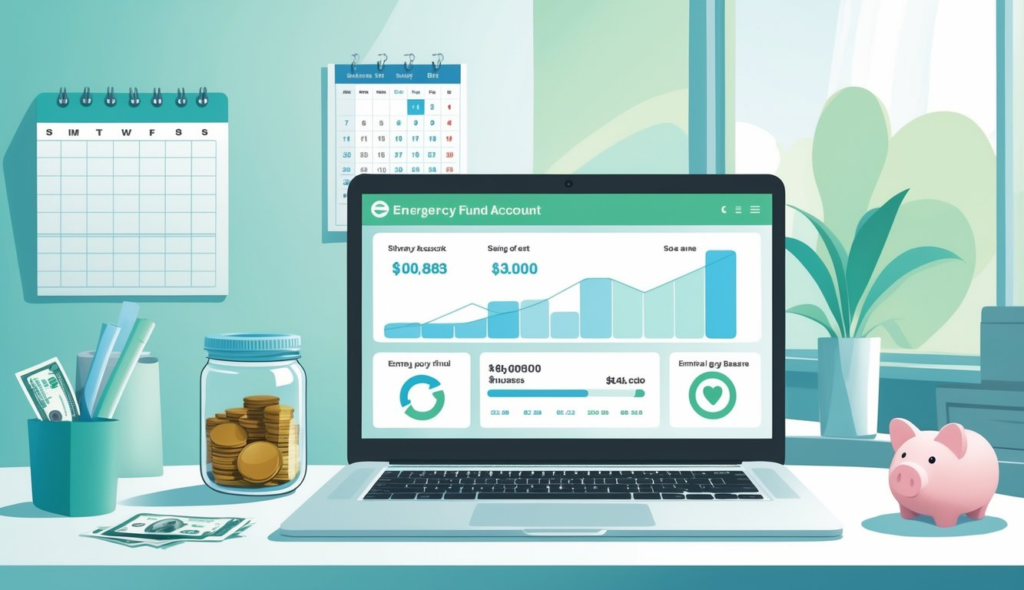
You want your emergency fund safe, easy to reach, and earning a little interest if possible. The right account makes a real difference.
Best Account Types for Emergency Savings
A high-yield savings account is a top pick. It pays better interest than a regular savings account, though most are online, so it may take a day or two to transfer money out.
A money market account pays decent interest and sometimes lets you write a few checks or use a debit card. You’ll usually need a higher balance to avoid fees.
Traditional savings accounts or even checking accounts are super accessible but don’t pay much (if any) interest. Honestly, checking accounts are risky for emergency funds because it’s just too easy to spend from them.
Look for an account that strikes a balance—good interest, but not so convenient you’ll be tempted to use it for non-emergencies.
Separating Emergency Funds from Daily Accounts
Keep your emergency fund away from your regular accounts. That way, you’re not tempted to dip into it for everyday stuff.
Opening your emergency fund at a different bank or an online bank adds a little friction—which can be a good thing. It makes you pause before pulling money out.
Treat your emergency fund like its own budget category. Set up automatic transfers so it grows without you having to think about it.
Mixing your emergency fund with your regular checking or savings is just asking for trouble. Keep it separate so it’s there for real emergencies.
Building and Managing Your Emergency Fund
You need to figure out how much to save and how to actually set that money aside. Making it automatic is honestly the easiest way to build your fund without even noticing.
Calculating the Right Amount
Your emergency fund should cover your basic monthly expenses: rent, utilities, food, and bills you can’t skip. Most people aim for three to six months’ worth.
Make a list of your must-pay bills. Multiply the total by however many months you want to cover.
So, if you spend $2,000 a month on essentials, shoot for $6,000 to $12,000 in your emergency fund. If your job is pretty steady, three months might be fine. If your income is unpredictable or you have dependents, six months is safer.
Adjust your goal as your financial needs change.
Automatic Transfers and Saving Strategies
Set up automatic transfers from checking to your emergency fund. Even small, regular amounts add up over time.
Choose what fits your budget—maybe $50 every payday or $100 each month. Just keep an eye on your balances so you don’t overdraft.
When you get extra cash, like a tax refund or bonus, toss some of it into your emergency fund. It’s a quick way to give your savings a boost.
Track your progress. Watching that balance grow is surprisingly motivating.
Benefits of Maintaining Both Accounts
Having both an emergency fund and a savings account gives you options. You can handle unexpected costs and still chase after the things you want.
Achieving Financial Security
Keeping your emergency fund separate means you’re always ready for those curveballs—like medical bills or losing your job. That fund covers three to six months of basics: groceries, mortgage, insurance, and more.
Your savings account is where you stash cash for planned goals. Maybe it’s a house down payment or a dream vacation. By splitting up your money this way, you don’t have to wreck your plans when life throws you a surprise.
It’s just a smart way to stay on track, even when things get bumpy.
Avoiding Debt and Managing Risk
If you don’t have a dedicated emergency fund, you’ll probably turn to credit cards or loans when surprise expenses pop up. That usually means debt and interest payments, which just pile on more stress.
An emergency fund gives you quick access to cash for urgent stuff like car repairs or medical bills. It also cuts down the risks of unemployment because you’ve got something to fall back on instead of borrowing.
Your savings account can keep growing for those bigger goals—maybe a new car or fixing up your place—without putting your financial safety on the line.
Frequently Asked Questions
You probably want straight answers about how much to save, what account to use, and how to handle your emergency fund. Getting these details right makes your financial safety net actually useful for your life.
What constitutes a sufficient emergency fund?
A solid emergency fund usually covers three to six months of your must-have living expenses. Think rent or mortgage, utilities, groceries, insurance, and getting around.
If your income’s unpredictable or you live somewhere with extra risks—like hurricanes or wildfires—it’s smart to save a bit more.
How does one determine the appropriate size of an emergency fund?
Add up your essential monthly expenses. Multiply that by how many months you want to cover—three to six is the usual range.
Consider your job security, family size, and local risks. If your paycheck isn’t steady, aim for six months or more.
What are the advantages of keeping an emergency fund in a separate account?
Stashing your emergency fund in its own account keeps you from spending it by accident. You can see your progress and stay disciplined.
It’s way easier to resist using this money for everyday stuff or things you planned to buy anyway.
How can an emergency fund be used effectively after a financial setback?
Only dip into your emergency fund for real emergencies—unexpected medical bills, car repairs, or losing your job. Try not to use it for regular bills or purchases you saw coming.
That way, the money’s there when you actually need it most.
Which types of accounts are most suitable for housing an emergency fund?
Look for an account that’s safe, easy to access, and insured. Savings accounts or money market accounts at banks or credit unions usually fit the bill.
Steer clear of accounts that tie up your money for ages, like CDs. You want to get to your cash fast if things go sideways.
What is the role of an emergency fund in overall financial planning?
An emergency fund works like a financial cushion. It lets you handle those surprise expenses without immediately reaching for a credit card or loan.
Honestly, it just feels better knowing you can make decisions in a crisis without panicking. Plus, it keeps your long-term savings safe from those little disasters that pop up when you least expect them.