
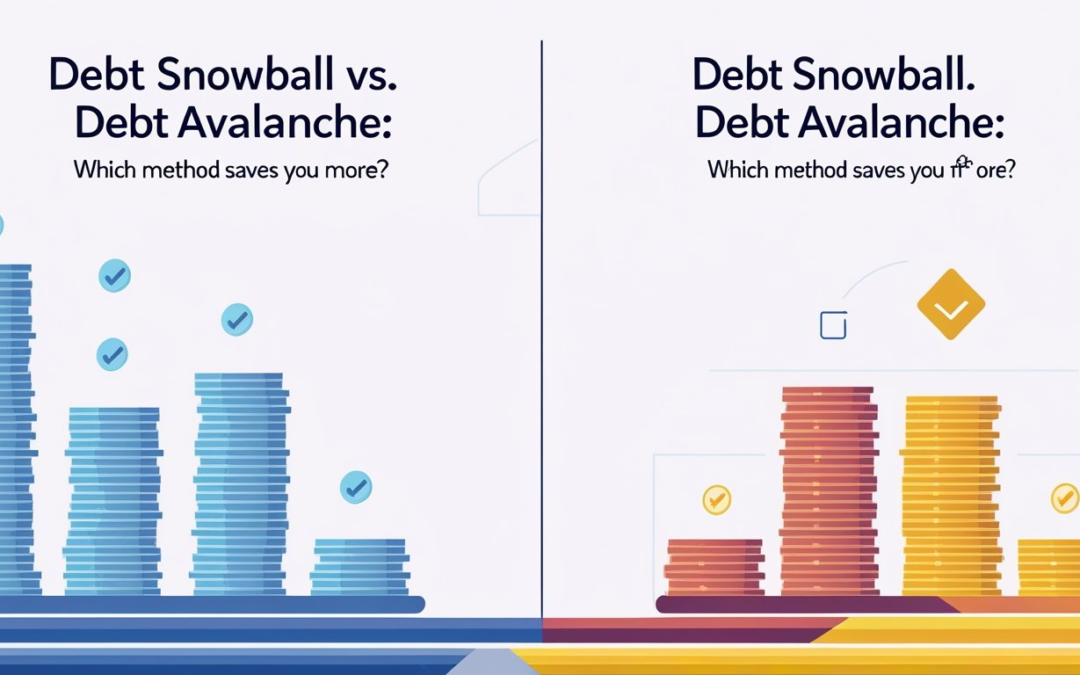
Deciding between the debt snowball and debt avalanche methods? It helps to really get how each one shapes your payoff journey.
The debt avalanche method has you tackle debts with the highest interest rates first. That approach usually saves you more money in the long run.
The snowball method, on the other hand, focuses on wiping out your smallest debts first. Those quick wins can be a real boost for motivation.
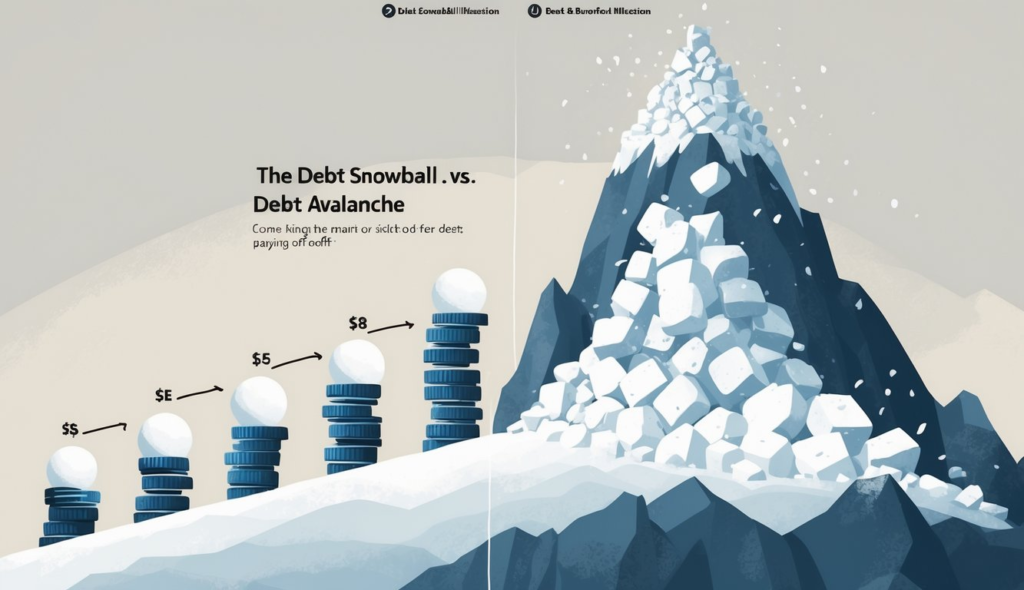
If your main goal is saving money and getting out of debt faster, the avalanche method typically comes out ahead. But honestly, a lot of folks find the snowball method easier to stick with because of those early wins.
Think about how each method works and what suits you best. Picking the right plan can help you finally get out of debt and actually stay on track.
Key Takeaways
- Paying off high-interest debt first saves you more money.
- Small wins from paying off smaller debts can boost your motivation.
- Choose the method that fits your habits and helps you stay consistent.
Understanding Debt Snowball and Debt Avalanche
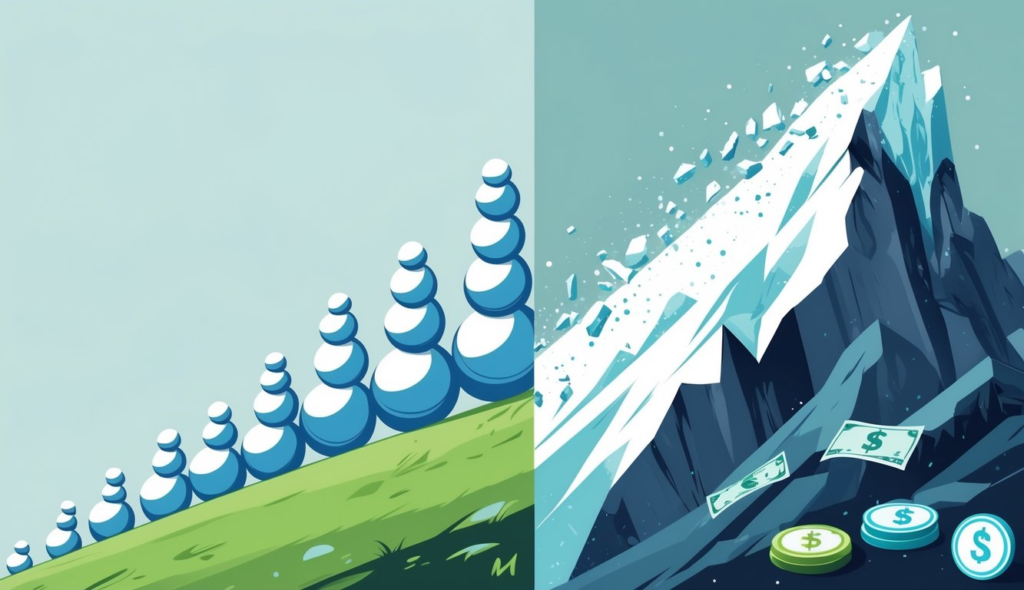
Both methods help you pay off debt faster by focusing extra payments on one debt at a time. The difference is which debt you target first—either the smallest balance or the highest interest rate.
What Is the Debt Snowball Method?
Debt snowball means you list your debts from smallest balance to largest. Make minimum payments on all debts except the smallest, where you throw any extra cash.
When you knock out the smallest debt, you move on to the next smallest. This gives you quick wins and keeps you motivated as you see debts disappear.
Dave Ramsey made this method famous because of its psychological benefits. The catch? You might pay more interest over time since you’re not tackling high-interest debts first.
What Is the Debt Avalanche Method?
Debt avalanche asks you to list your debts by interest rate, from highest to lowest. You pay minimums on everything, but any extra money goes toward the highest-interest debt.
Once you pay off that debt, move to the next highest rate. This way, you save more on interest and usually get out of debt a bit faster.
It works well if you’re disciplined and want to minimize costs. Downsides? Progress can feel slow, especially if your highest-interest debt is also your biggest.
Key Differences Between the Two Approaches
| Feature | Debt Snowball | Debt Avalanche |
|---|---|---|
| Payment Focus | Smallest balances first | Highest interest rates first |
| Motivation | Builds momentum with quick wins | Saves more money long-term |
| Interest Savings | Generally less than avalanche | Typically reduces total interest paid |
| Best For | Those who need motivation to stay on track | Those focused on minimizing cost |
| Popularized By | Dave Ramsey | Common financial advice based on math |
Pick the method that fits your money habits and what you value—fast motivation or lower costs. Either way, you keep making minimum payments on all debts and direct extra money to one target at a time.
How Each Method Works Step-by-Step

The two methods just have you pay off debts in different orders. One targets the smallest balances for quick progress, the other goes after high-interest debts to save money. Both require you to keep up with minimum payments while throwing extra money at one debt.
Debt Snowball: Smallest Debts First
List your debts from smallest to largest, ignoring interest rates. Pay the minimum on everything except the smallest debt, where you put all your extra funds.
Once you pay off that smallest debt, roll those payments into the next smallest. Your payment grows like a snowball rolling downhill—hence the name.
You see results fast by clearing out small debts. It’s motivating, even if you pay more interest in the end. If you want a straightforward plan with emotional wins, this one’s for you.
Debt Avalanche: Highest Interest Rates First
This time, you focus on debts with the highest interest rates, not the smallest balances. Pay minimums on everything else, but put extra money toward the highest-interest debt.
After you clear that one, move to the next highest rate, rolling over your payments. This method shrinks your total interest and saves you money over time.
It’s best for folks who are disciplined and want to be efficient. You might not get quick wins, but your wallet will thank you later.
Interest Savings and Debt Payoff Comparison
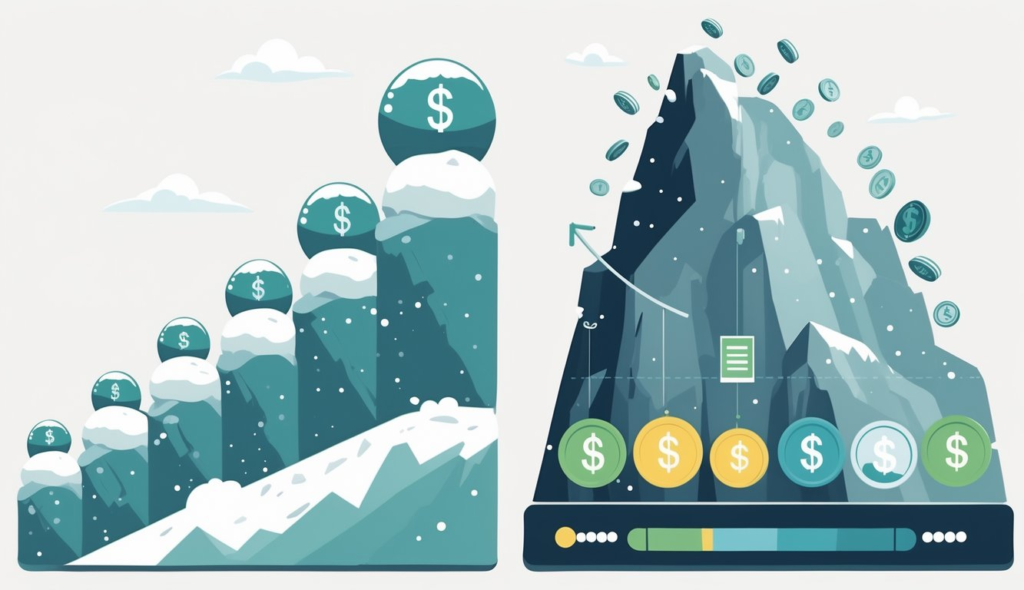
Comparing interest costs and how fast you can get debt-free helps you pick the right strategy. The amount you pay in interest, how quickly you’re out of debt, and how high-interest debt hits you all matter.
Total Interest Paid: Snowball vs. Avalanche
The avalanche method usually saves you the most on interest. By paying high-interest debts first, you cut down on the money that piles up over time.
With the snowball method, you pay off smaller debts first. That means you might pay more total interest, since bigger debts keep growing.
For example:
| Method | Total Interest Paid |
|---|---|
| Snowball | Higher (e.g., $3,420) |
| Avalanche | Lower (e.g., $2,847) |
Avalanche can lower your interest costs and reduce the total amount you repay.
Time to Debt Freedom
Avalanche often shortens the time it takes to wipe out your debt. It cuts interest faster, so you get debt-free a bit sooner.
Snowball can take a little longer since interest keeps growing on bigger debts. But you’ll probably see your first debt gone in a couple months, which feels great.
If you have $300 extra to put toward debt each month:
- Avalanche: Debts cleared in about 28 months
- Snowball: Debts cleared in about 29 months
Even a month or two difference can matter, especially with big balances.
High-Interest Debt Impact
High-interest debts cost you more, so paying them off quickly is key. Avalanche helps you do that, stopping debt from snowballing out of control.
With snowball, high-interest debts might linger while you clear smaller ones. That can add up in extra interest and slow you down.
If your biggest debt also has the highest interest, attacking it first with avalanche will save you money and headaches.
Psychological and Behavioral Factors
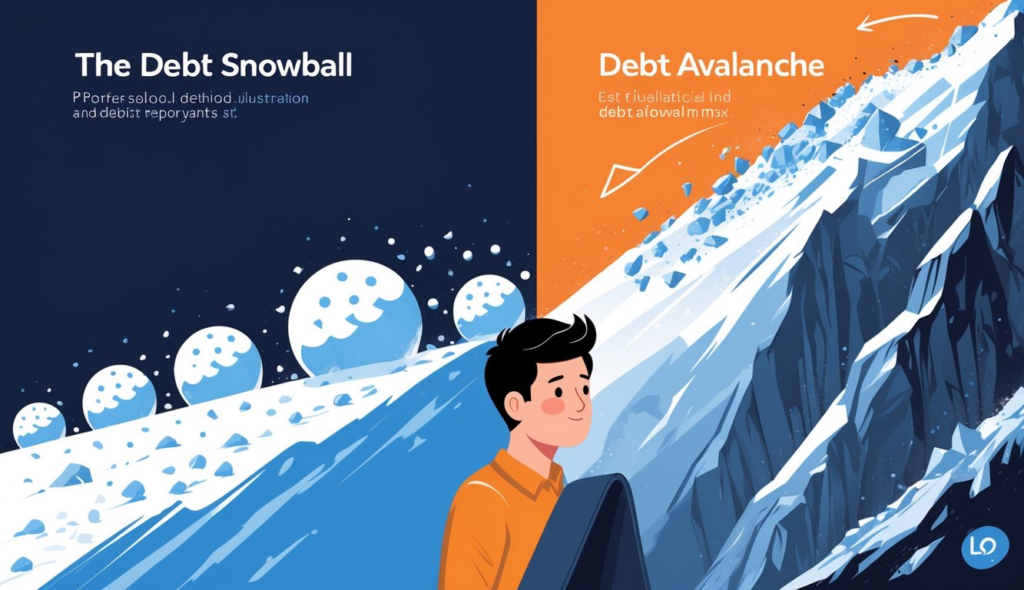
How you feel during debt repayment really matters. Motivation, discipline, and your mindset all play a part in whether you stick to your plan and hit your goals.
Motivation and Quick Wins
The debt snowball gives you quick wins by knocking out your smallest debts first. Those early successes build confidence and help you see real progress.
Watching debts vanish reduces stress and makes it easier to keep going. The avalanche method, on the other hand, focuses on high-interest debts first. While you save more, progress can feel slow at the start.
That lack of early payoff might make it harder to stay motivated. You might need some extra discipline or budgeting tools like YNAB to keep your eyes on the prize.
If motivation is what keeps you going, snowball might be your thing. If you care more about saving money, avalanche is probably a better fit, though it does require patience.
Emotional Momentum
Success breeds momentum—everyone knows that feeling. With the snowball method, clearing small debts creates a sense of control and positive vibes. It’s easier to stick with your budget when you see progress.
The avalanche method can feel discouraging at first, since big debts take longer to budge. That can get frustrating, honestly. But if you focus on the bigger picture—less total interest, faster freedom—you can still build momentum, just in a different way.
Debt consolidation might also help. Rolling multiple debts into one can make payments simpler and sometimes lower your interest rate.
Discipline and Long-Term Commitment
Avalanche takes more discipline and planning. You have to stick to minimum payments everywhere, and keep extra funds aimed at the highest-interest debt. Patience is a must, since visible progress might be slow.
Snowball is simpler and easier for a lot of people to follow. If you struggle to manage lots of accounts or stick to a budget, it could be a better fit. But remember, you might pay more in interest over time.
Whatever method you pick, having a solid budget is crucial. Tools like YNAB or a financial planner can help you keep track. Checking your progress regularly helps you stay committed and adjust if you need to.
Which Debt Repayment Method Is Right for You?
The right method really depends on your debts and what drives you. Look at how much you owe, the interest rates, and what actually keeps you motivated to keep chipping away at those balances.
Assessing Your Debt Situation
First, jot down all your debts—personal loans, payday loans, credit cards, and anything else you owe. List each balance and its interest rate.
If you’re staring at a bunch of small debts, like several credit cards or personal loans, the debt snowball method might be your friend. This approach helps you pay off the smallest debts first, giving you those early wins that actually feel pretty good and keep you going.
Got debts with sky-high interest rates, especially on credit cards or payday loans? The debt avalanche method could save you more in the long run. You’ll tackle the debts with the highest interest rates first, which means you’ll pay less interest overall.
Check if you have an emergency fund. If not, it might be smart to stash away a little cash before throwing everything at your debts.
Matching Strategies to Financial Goals
Your goals matter here. If you want to cut stress and see results quickly, the snowball method is a solid pick.
Paying off those smaller debts fast can build your confidence and keep you moving forward. If you’re more focused on saving money and knocking out your debt as fast as possible, go with the avalanche.
This method works best if you can stay disciplined and avoid piling up new debt.
Here’s a handy comparison table:
| Goal | Recommended Method | Why |
|---|---|---|
| Quick wins, motivation | Debt Snowball | Pays off small debts first |
| Save money, faster payoff | Debt Avalanche | Targets high-interest debt first |
| Mix of both | Hybrid Approach | Start small, then switch to Avalanche |
Tips for Implementing Your Debt Payoff Strategy
Success with your debt payoff plan comes down to sticking with payments and using the right tools. You’ll want a plan that helps you make regular progress and keeps your budget on track.
Staying Consistent With Payments
Always make at least the minimum payments on every debt. Missing payments can wreck your credit and pile on more fees.
Put any extra cash toward one debt at a time, based on your method—either the smallest balance or the highest interest rate. Set up reminders or automatic payments so nothing slips through the cracks.
If you’re struggling, look into deferment, but only as a last resort. Deferment pauses payments but doesn’t shrink your debt. Consistency is what keeps your plan working.
Utilizing Budgeting Tools and Support
You need a budget that lays out your income, expenses, and how much you can throw at your debt. Budgeting apps or even a simple spreadsheet can help you see where your money goes and make changes when you need to.
Debt consolidation could be worth a shot if you want to simplify things or get a better interest rate. It might cut down on the number of bills and save you some money. If you’re feeling overwhelmed, reaching out to a credit counselor isn’t a bad idea—they can help you build a plan that actually fits your life.
Avoiding Common Mistakes
Don’t spread yourself too thin by paying a little extra on every debt at once. Focus on your chosen method to build real momentum.
Watch out for high-interest debts—they’ll cost you more if you ignore them. Try not to take on new debt while you’re paying off old ones, or you’ll just drag out the process.
Always make those minimum payments on debts you’re not targeting yet, or you could get hit with penalties. If things change, talk to your creditors before you fall behind. Staying focused and keeping communication open makes a big difference.
Frequently Asked Questions
Curious about how these methods really differ, or wondering how interest rates and motivation play into your choice? Let’s break down some common questions.
What are the primary differences between the debt snowball and debt avalanche methods?
The debt snowball method lets you pay off your smallest debts first, without worrying about interest rates. The avalanche method has you attack the debts with the highest interest rates, no matter how big or small they are.
How do interest rates factor into choosing between the snowball and avalanche debt repayment strategies?
The avalanche method puts interest rates front and center. You’ll knock out the highest-rate debts first to save money over time. The snowball method skips over interest rates and just focuses on clearing out the smallest balances.
What are the psychological benefits of the debt snowball method?
Paying off small debts quickly gives you wins you can actually feel. That confidence boost can keep you motivated and help you stick with your plan.
Can the debt avalanche method save money in the long term compared to the debt snowball?
Absolutely. By paying off high-interest debts first, the avalanche method cuts down the total interest you pay, saving you money over the life of your debts.
What is a major disadvantage of the debt avalanche method in terms of debt repayment?
The avalanche method sometimes takes a while to clear your first debt, especially if it’s a big one. That can be discouraging, and honestly, it might make it harder to stay motivated.
How do the debt snowball and avalanche methods impact motivation and payment discipline?
The snowball method builds motivation by giving you small wins early. Those little victories can feel surprisingly good.
The avalanche method might test your patience, since it takes longer to see progress. Some folks find it harder to stay motivated with that approach.
Your ability to stick with payments really depends on which method matches your personality. It’s not a one-size-fits-all situation.