
Budgeting games for adults make money management less intimidating and way more interactive. These games put you in the driver’s seat with real-life decisions—saving, investing, juggling expenses.
You can play alone or bring in friends, which makes learning about budgeting skills feel less like homework. Some games are board-based, others live on your phone, so you’ve got options.
Most budgeting games teach you to track income and expenses, set goals, and dodge debt. Some throw in challenges or curveballs to keep things interesting.
It’s worth thinking about how realistic a game feels and if it matches how you like to learn. Look for clear rules that don’t make your brain hurt, and pick something with enough challenge to keep you coming back.
Best Budgeting Games for Adults
Here’s a list of the best budgeting games for adults that make practicing money management less of a chore. They sneak in lessons on saving, spending, and planning while you play. Scroll through our picks and see what fits your vibe.
Pay Day Board Game by Winning Moves

Pay Day is a classic pick for adults who want to brush up on budgeting basics without feeling stressed.
Pros
- Super easy to learn and play with friends or family
- Teaches habits like paying bills and making deals
- Nostalgic design is kind of fun
Cons
- Feels a bit old-school compared to newer games
- Board folds in a weird way, not the sturdiest
- Some might find it a tad slow
We liked how Pay Day keeps things simple. You move around a monthly calendar, dealing with bills and random cash windfalls.
The game makes it clear how fast money can disappear. Those surprise “lottery win” moments definitely liven things up.
The board felt a little delicate, but the gameplay was solid. If you want a lighthearted game that gets you thinking about money, this is an easy win.
Paycheck to Billionaire

Paycheck to Billionaire is great if you want to learn budgeting and investing in a chill, approachable way.
Pros
- Quick to set up and easy to get the hang of
- Blends real-life money skills with gameplay
- Sturdy board and bright colors keep things lively
Cons
- Can be slow for folks who like fast-paced games
- Doesn’t work for big groups
- Not super deep for strategy lovers
We liked that this game focuses more on smart choices than pure luck. Rules are simple—everyone at our table picked them up in minutes, even the younger crowd.
It nudges you to manage cash flow and investments without getting bogged down. The scenarios feel real enough that you start thinking about your own habits.
Hardcore gamers might want more complexity, but the quality stood out. It’s a solid, lasting addition to the game shelf.
Rich Dad CASHFLOW

Rich Dad CASHFLOW is a hands-on way to get into investing and finance with a bit of fun mixed in.
Pros
- Easy start if you know basic math
- Covers investing and money management clearly
- Good for families with teens and up
Cons
- Sessions can run long
- Some rules seem complicated at first
- Costs more than your average board game
We liked how this game lets you try out real estate and stock investing. It makes saving and spending feel way more real than just reading tips online.
It sparked some honest money talks around the table. The rules take a bit to learn, but once you get it, the game moves along nicely.
If you’re looking for something that actually teaches while being entertaining, this is a good pick. You’ll probably want extra paper for tracking your money and investments.
Don’t Break The Budget
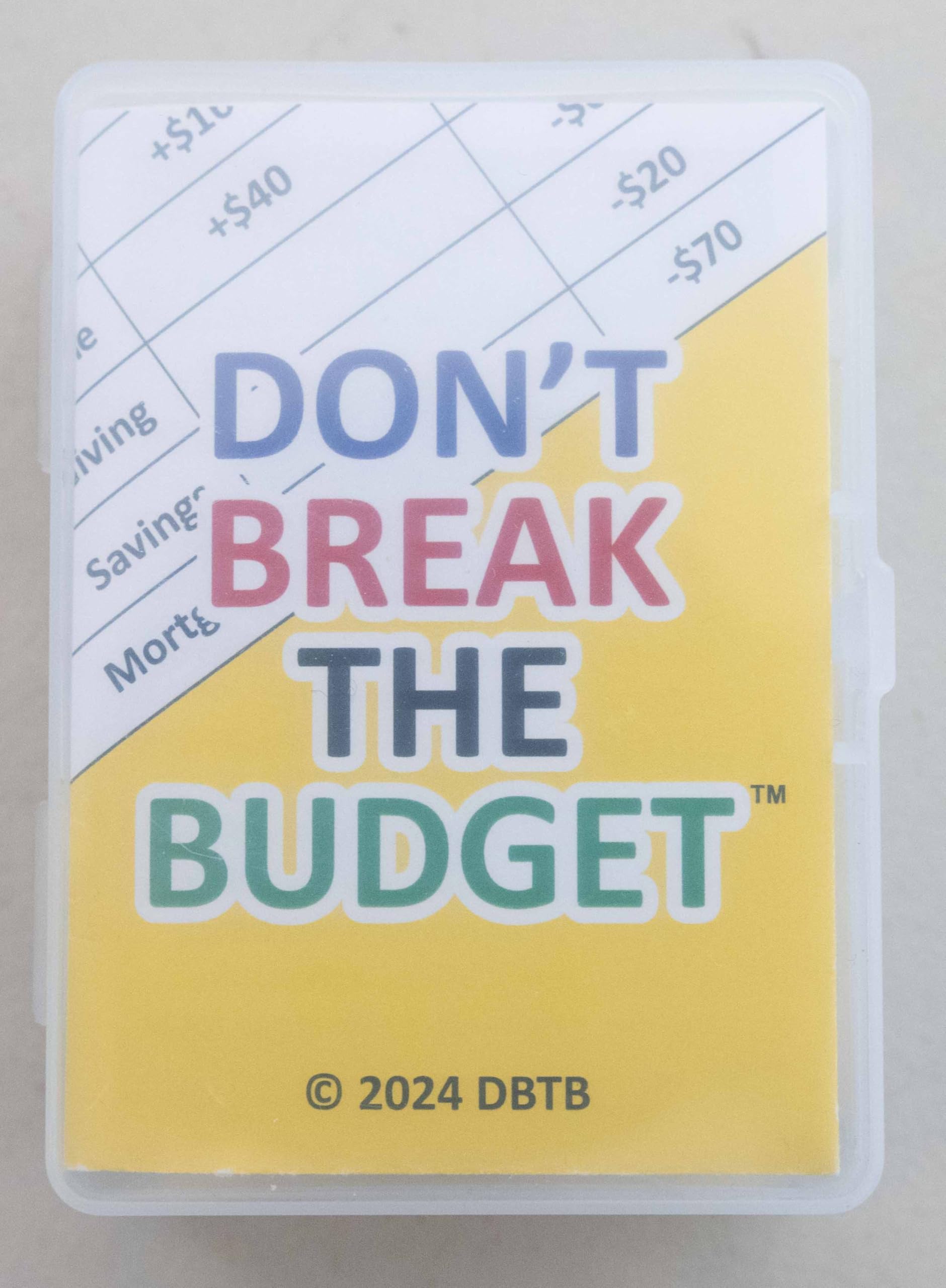
Don’t Break The Budget gives adults a quick, competitive way to practice budgeting with friends.
Pros
- Fast rounds keep everyone on their toes
- Teaches basic money skills in a clear way
- Sabotage cards add a sneaky twist
Cons
- Feels a bit shallow after a few plays
- Not built for finance nerds who want depth
- Only four can play at once
This card game breaks budgeting down to the essentials. Rounds are just 20 minutes, so nobody gets bored.
We liked the mix of building budgets and tripping up your opponents. It’s a good intro to zero-based budgets, and the setup is painless.
It doesn’t dig into advanced planning, but it’s great for brushing up on habits or sparking money talks in groups. Fast, simple, and a nice way to start a conversation.
BeFree for Starters
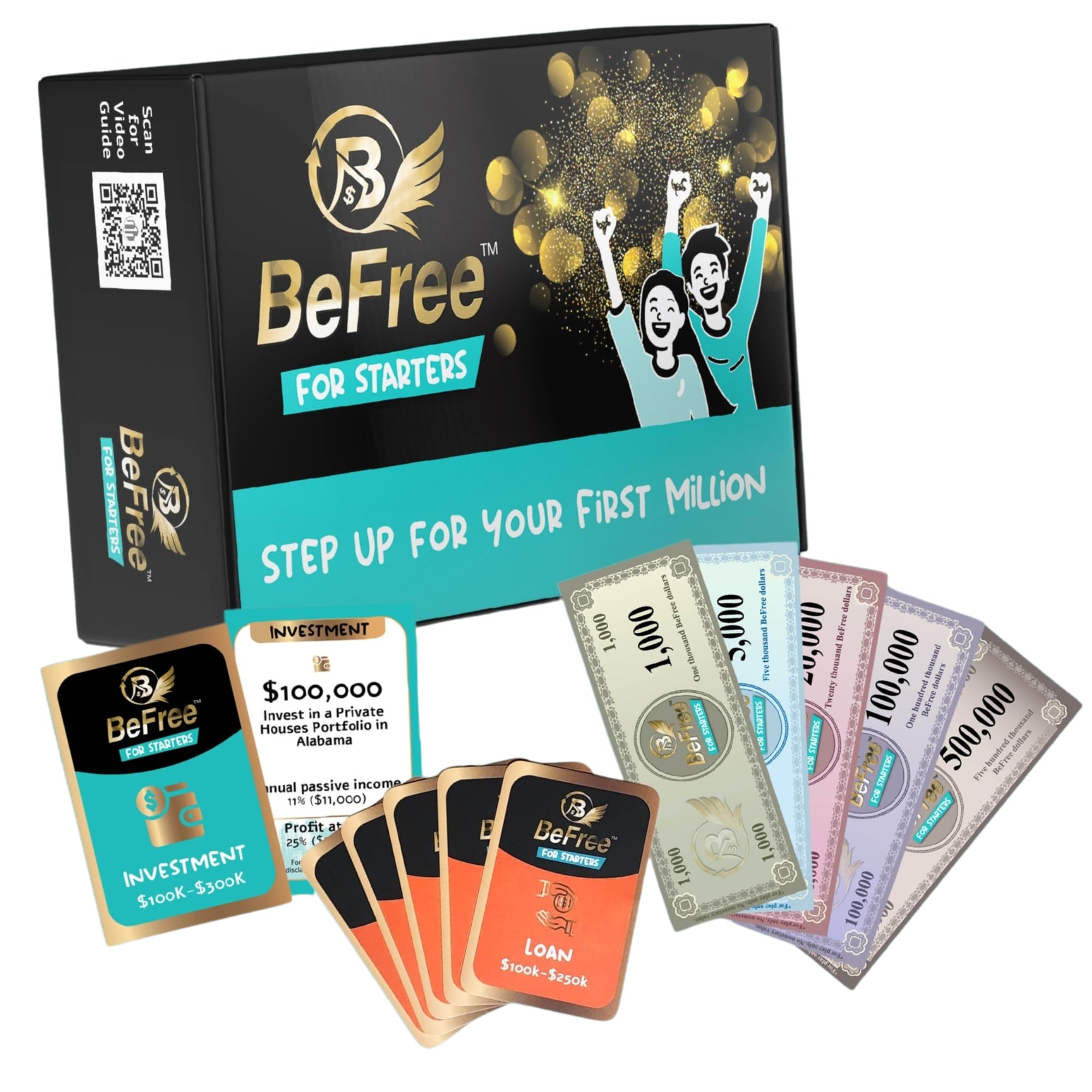
BeFree for Starters makes learning investing and money basics surprisingly clear and approachable.
Pros
- Shows real-world investing with easy rules
- Helps you see how loans and interest work
- Works well for families learning together
Cons
- Moves a bit slow if you crave action
- Some might find it a little tame
- Not for deep-dive finance fans
This game uses cards to walk you through stuff like renting, flipping houses, juggling loans, and investing in stocks. Every turn makes you think about time and money in a way that feels pretty real.
We had fun playing as a family and picked up money skills without feeling lectured. It’s great for beginners or anyone wanting to get better at planning finances.
If you want a no-pressure start to learning investing and cash flow, this is a solid choice. It’s not flashy, but it’ll make you think twice about your next money move.
Buying Guide
When we look for budgeting games for adults, we care about what makes the game actually fun and worth our time. It should help us get better at money stuff without turning into a snooze-fest.
Clear, simple rules are a must. Nobody wants to spend half the night reading instructions. Games that play in under an hour are a bonus.
Real-life scenarios make a big difference. If the game throws in money challenges you’ll actually face, it sticks better.
Think about how many people you want to play with. Some games work best in small groups, others are solo-friendly. If you want to fly solo, check for that option.
| Feature | What to Look For | Why It Matters |
|---|---|---|
| Rules | Simple and clear | Easy to learn and play |
| Game length | Under 1 hour | Fits into our schedules |
| Real-life scenarios | Practical money lessons | Applies to daily budgeting |
| Player count | Fits our group size | Ensures everyone can join |
| Replay value | Different outcomes | Keeps the game interesting |
We always check if a game encourages good money habits and smart decisions. If a game rewards you for saving or thinking ahead, that’s a win.
Design matters, too. Good visuals and sturdy pieces keep us focused and make the whole thing more enjoyable.
Frequently Asked Questions
Most adults just want practical, no-nonsense ways to get better at handling money. They’re looking for games that teach budgeting without making you feel like you’re back in school.
What are some engaging budgeting games for adults to improve financial literacy?
Games like “Monopoly,” “The Game of Life,” and “Payback” make learning about money actually fun. They’ll get you thinking about spending, saving, and dealing with debt.
Which free budgeting games can adults play online to learn money management?
Sites like Practical Money Skills and the National Endowment for Financial Education have free games. “Financial Football” and “Budget Hero” are good examples—they teach you about money choices in a way that’s easy to follow.
Are there any budgeting games available that adults can play without downloading?
Yep, plenty of online platforms let you play right in your browser. You’ll find cash flow simulators and budget challenges that don’t require any downloads.
How can budgeting principles be taught to adults through interactive games?
Games that make you track income, expenses, and savings really show how budgeting works. Players figure things out by making choices and watching their virtual money grow—or shrink.
What are the best budgeting simulation games for adults aiming to practice real-life scenarios?
Simulation games like “You Need A Budget” and “FamZoo” feel a lot like real life. They let us practice paying bills, dealing with emergencies, and saving for things we actually want.
What educational financial games are suitable for adults aside from the bean game?
Honestly, “Smart Budget” is a solid pick for adults. It gets you thinking about how to plan budgets and cut down on spending.
“Money Magic” is another one I like. It encourages you to set savings goals and stick to them, which isn’t always easy in real life.