
Frugal grocery shopping is about getting what you need without spending too much. You can save by planning meals ahead, choosing in-season produce, and sticking to a solid list.
Shopping smart means picking stores with better prices and using loyalty programs or coupons when you can. Focusing on raw ingredients and cooking at home gives you more value, and you don’t have to give up nutrition or taste.
Learning to shop frugally isn’t about eating boring food. It’s about making choices that help your money go further and your food last longer.
Key Takeaways
- Planning meals and making a list help you avoid overspending.
- Choosing affordable stores and using rewards programs boost savings.
- Buying raw ingredients and cutting food waste stretch your grocery budget.
Setting a Smart Grocery Budget

Having a clear grocery budget helps you track your food spending. Know your limits, divide money for important items, and keep grocery costs separate from other expenses.
Tracking Expenses and Adjusting
Start by writing down everything you buy for groceries in a month. Save receipts and jot down cash, card, and app payments.
This shows you where your money actually goes. If your bills seem high, look for spots where you can cut back.
Adjust your budget each month to match changes in prices or your family’s needs. Staying flexible keeps you from overspending.
Allocating Funds for Essentials
Split your budget into categories like produce, protein, grains, and household supplies. Assign amounts to each based on what you usually spend and what you need.
Put essentials first—fresh fruits, veggies, and staple proteins. Try not to overdo it on snacks or extras.
Here’s a simple table for planning:
| Category | Budget Amount | Notes |
|---|---|---|
| Produce | $150 | Buy in-season for savings |
| Protein | $100 | Mix meat with beans |
| Grains & Pasta | $50 | Purchase in bulk |
| Household Items | $30 | Buy generic brands |
This way, you can actually see where your money goes and stay in control.
Separating Food Budget from Other Spending
Keep your grocery budget separate from things like eating out, cleaning supplies, or personal care. This makes it clearer what you really spend on food.
Try using a separate bank account, an app, or even an envelope for groceries. Only pay for food from this stash.
Separating funds helps you avoid overspending and makes meal planning a bit easier since you know exactly what’s left for groceries.
Effective Meal Planning Strategies
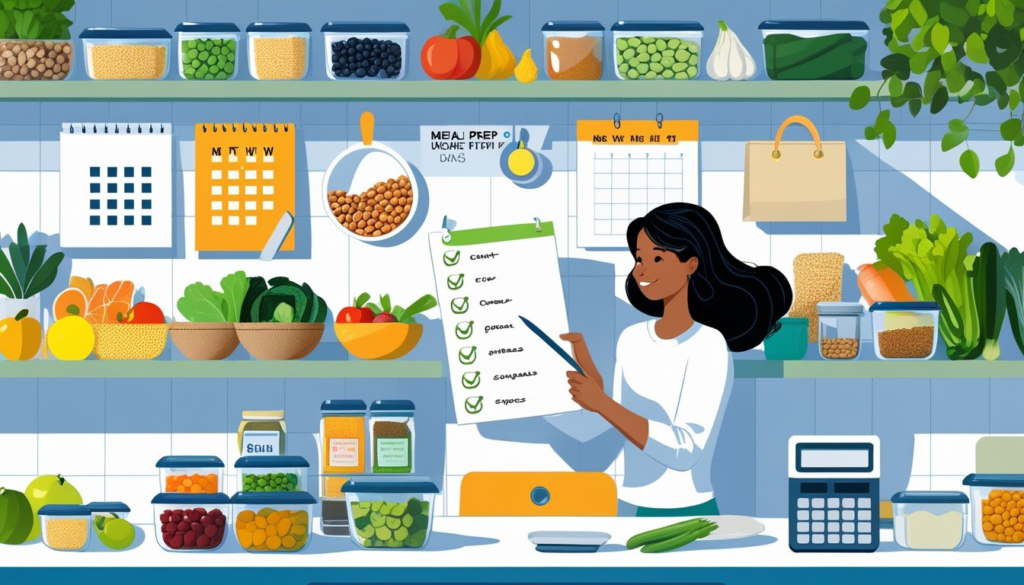
Planning meals ahead can save you money and cut down on food waste. Think about weekly sales, batch cooking, and using ingredients that work in lots of recipes.
Planning Around Weekly Sales
Check your grocery store’s weekly sales before planning meals. Build your meal plan around discounted items.
Make your shopping list from the sale items. This helps you avoid buying things you don’t actually need.
Look for deals on produce and pantry staples like rice or canned goods. Stocking up on sale keeps you from overspending later.
Use sale items as the base for your meals. If chicken is cheap, plan a few different dishes with it—even breakfast-for-dinner ideas work.
This way, you use what you buy and take advantage of lower prices.
Batch Cooking and Prep
Batch cooking is just making bigger portions and saving leftovers for later. Cook up soups, stews, or casseroles that last a few days.
It saves time during busy weeks and helps you avoid takeout. Prepping ingredients, like chopping veggies or cooking rice ahead, makes daily meals less of a hassle.
Mix batch-cooked meals with fresh produce for variety. Using up ingredients this way helps you waste less food.
Incorporating Versatile Ingredients
Pick ingredients that you can use in different meals. Potatoes, for example, work roasted, mashed, or in soup.
Eggs are another go-to—they’re good for breakfast, casseroles, or tossed on salads. Buying things that work in several recipes keeps your list flexible and cuts down on random purchases.
It also lets you use up leftovers instead of tossing them. Versatile ingredients make meal planning easier and help keep things interesting without spending more.
Making the Most of Your Shopping List
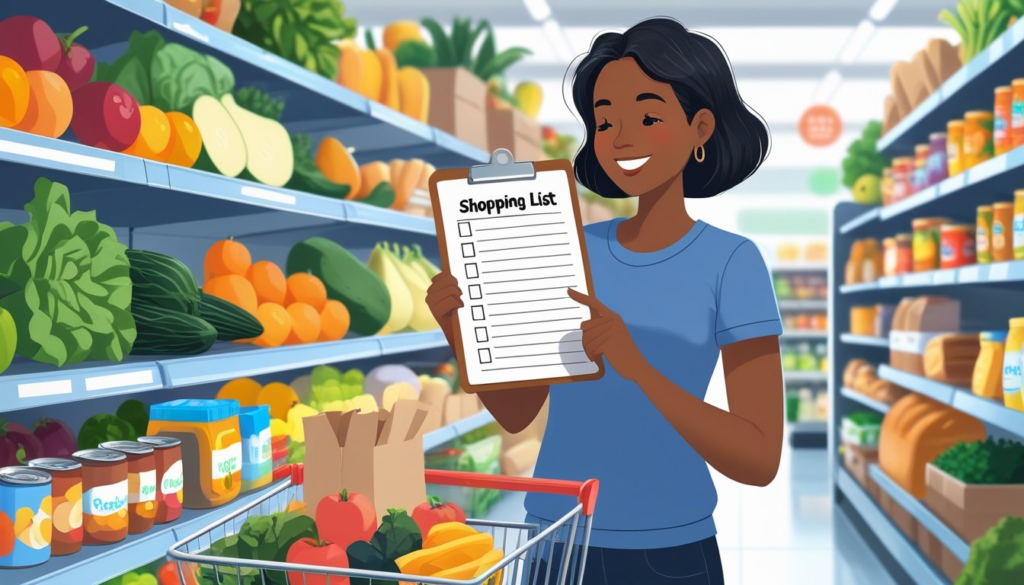
A good shopping list keeps you on track and stops you from buying random stuff. Planning ahead means you won’t forget things or spend on impulse. Organizing your list by importance and store section saves time and cash.
Creating a Master List
Make a master list of the things you buy most often. It saves you time each week since you don’t have to start from scratch.
Keep it handy in a notebook or on your phone. Update it as your favorites change. Break it into categories—staples, produce, canned goods—so you can check what you need at a glance.
Having a master list helps you spot bulk deals or sales, which is a big help for frugal shopping.
Organizing by Store Section
Arrange your list to match your grocery store’s layout. Put dairy, produce, meat, and dry goods in their own groups.
Here’s a quick example:
| Store Section | Typical Items |
|---|---|
| Produce | Fruits, vegetables |
| Dairy | Milk, cheese, yogurt |
| Meat & Seafood | Chicken, beef, fish |
| Dry Goods | Rice, pasta, canned beans |
Grouping things this way keeps you from wandering and grabbing extras. It also makes it easier to compare prices and pick the cheaper option.
Sticking to the Essentials
Start your list with the basics—foods your family eats all the time. Think bread, eggs, rice, and fresh veggies.
These staples form most meals and help you avoid waste. Only add what’s needed for your planned meals. Skip sale items unless you know they’ll get used.
Focusing on essentials makes it easier to stick to your budget and resist those tempting impulse buys.
Choosing Affordable Stores and Loyalty Programs
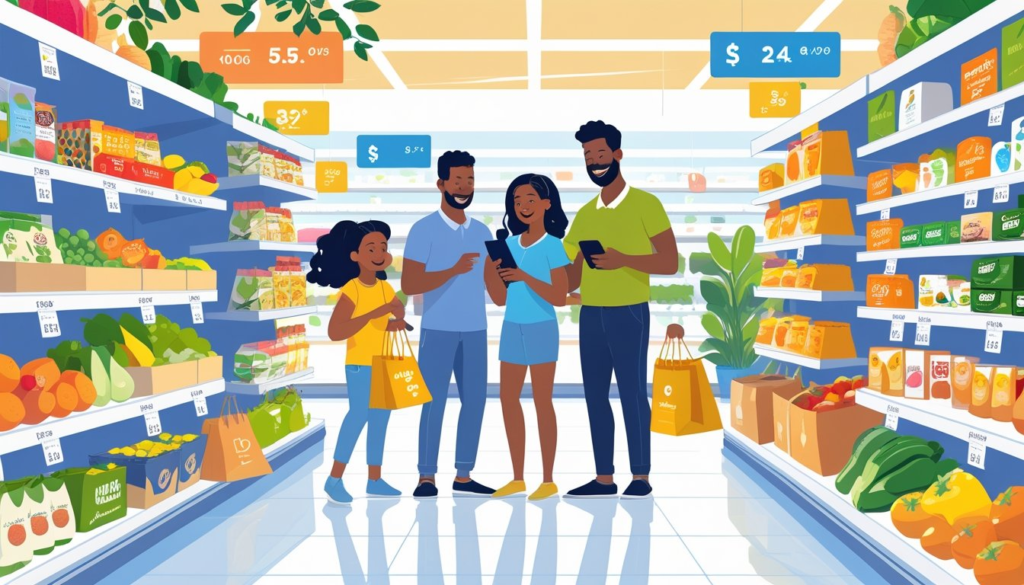
Picking the right stores and using loyalty programs can make a real difference. Look for places with low prices and rewards that matter to you. These little changes help your grocery money go further.
Comparing Discount Retailers
Discount stores like Aldi are great for low prices on basics. Aldi keeps costs down by stocking fewer brands and using simple layouts. You pay a small cart deposit and bring your own bags—honestly, it’s not a big deal once you get used to it.
Big-box stores like Costco need a membership, but you get bulk deals and lower prices per item. This works if you have a family or can plan ahead. If you can’t use up big packages before they spoil, though, it might not be for you.
Think about your habits. Aldi is good for small, quick trips. Costco makes sense if you buy in bulk and have space to store stuff. Both have their perks, just depends what fits your life.
Utilizing Loyalty Rewards
Most grocery stores offer loyalty programs—discounts, digital coupons, or points for rewards. They’re free and can save you a decent chunk on regular buys. Stores like Kroger and Safeway even give deals based on what you usually buy.
Some programs include fuel rewards, so you save on gas, too. Others let you earn points for groceries or cashback. Always scan your card or app so you don’t miss out.
Pick programs that match your shopping style. Some give better deals on certain items or during special sales. Use them consistently, and the savings add up.
Leveraging Membership Clubs
Membership clubs like Costco or Sam’s Club charge a yearly fee, but the savings can be worth it if you shop there a lot. You get access to bulk groceries and household items at lower prices.
Clubs sometimes throw in perks like cheaper gas or free samples. Before joining, ask yourself if you’ll use enough to make the membership pay off.
If you buy lots of staples and finish them before they expire, clubs can really cut your bills. If you shop small or less often, the annual fee might not make sense.
Smart Food Choices for Value and Nutrition
Picking foods that are both nutritious and affordable means looking for items that last, offer key nutrients, and fit into lots of meals. You can save by planning your purchases and cooking at home—even if it takes a little extra effort sometimes.
Prioritizing Fresh Fruits and Vegetables
Fresh fruits and vegetables give your body a bunch of vitamins and minerals. Seasonal produce is usually cheaper and tastes better, so it’s a good bet.
Local farmers’ markets often beat grocery stores on price. You might find fresher options there, too.
Frozen fruits and veggies are smart picks as well. They’re affordable, last longer, and keep most of their nutrition.
Skip the pre-cut or pre-packaged stuff when you can. It’s pricier and doesn’t last as long.
Try planning meals around what produce you buy. That way, you waste less and get more nutrition out of your groceries.
Leftover veggies or fruit? Toss them into soups or salads instead of letting them go bad.
Buying Whole Grains and Pantry Staples
Whole grains like brown rice, oats, and whole wheat pasta bring fiber and energy to your meals. They’re affordable and last ages in the pantry.
Buying grains in bulk cuts costs even more. Just make sure you’ll use them up.
Staples like beans, lentils, and canned tomatoes help stretch meals and add nutrition. Store brands often cost less and work just as well as name brands.
Keep a running list of pantry staples you use. Checking price per unit helps you spot the best deals.
Store grains and dry goods in airtight containers. That keeps them fresh and saves money in the long run.
Cooking from Scratch
When you cook from basic ingredients, you save money. Ready-made and processed foods usually cost more and sneak in extra sugar, salt, or fat.
Simple meals with fresh or frozen produce, whole grains, and pantry staples give you more control over what you eat. Fewer ingredients often means faster, less expensive meals.
Making bigger batches saves time and lets you use leftovers for another meal. It’s a good way to cut down on waste and stretch your grocery budget.
Reducing Food Waste and Stretching Your Groceries
Keeping food fresh longer and using up what you already have can save you a surprising amount of money. A few habits—like proper storage and creative leftovers—go a long way in getting the most out of your groceries.
Storing Food Properly
Store food the right way to keep it fresh and avoid spoilage. Keep fruits and veggies separated so they don’t ripen too fast.
Use airtight containers for leftovers and dry goods. That keeps moisture and pests out.
Use your fridge’s crisper drawers for veggies. Stick dairy in the coldest spot you can find.
Bread will last longer in a cool, dry place—or just freeze it. Label leftovers with the date so you don’t lose track.
Move older items to the front of the fridge or pantry. That way, you actually use them before they go bad.
Using Leftovers Creatively
Leftovers don’t have to be boring. Turn bits of cooked meat, veggies, or grains into new meals.
Roasted chicken can show up in a salad, soup, or sandwich the next day. Mix leftover rice and veggies into a stir-fry.
Stale bread? Make croutons or bread pudding. It’s easy to keep a list of go-to leftover meals so you don’t get stuck.
Use small containers to portion leftovers. That way, you don’t end up cooking more than you need.
Freezing and Preserving Surplus
Freezing food is a lifesaver for stopping spoilage. Freeze cooked meals, bread, meat, fruits, and veggies in labeled containers or bags.
Blanch veggies before freezing to keep their texture and color. Portion food before freezing so you only thaw what you need.
Canning and drying are also good options. You can make sauces, jams, or dried herbs that last for months.
Freezing and preserving let you buy in bulk or take advantage of sales without worrying about waste. Planning ahead means you get more meals out of your groceries.
Frequently Asked Questions
Saving money on groceries comes down to planning, managing waste, picking the right stores, and using a few handy tricks. Knowing what to buy and how can really stretch your budget.
How can you plan meals effectively to save money on groceries?
Plan your meals each week around what’s on sale and what’s already in your kitchen. Use ingredients in more than one meal so you don’t buy extra.
Make your grocery list from your meal plan and try to stick to it. That helps you avoid impulse buys.
What strategies can be employed to minimize food waste when shopping?
Only buy what you’ll actually use before it spoils. Turn leftovers into new meals or freeze them for later.
Check your pantry and freezer before you shop. That way, you don’t end up with duplicates.
Which supermarket chains offer the best value for money?
Aldi, Walmart, and a lot of discount grocers usually have lower prices. Some local stores offer good deals or loyalty discounts, too.
It’s worth comparing prices in your area to see which store fits your budget best.
How can bulk buying contribute to cost savings in grocery shopping?
Bulk buying saves money if you actually use everything before it goes bad. Focus on non-perishables or foods you eat often.
Make sure you’ve got space to store bulk buys. Don’t buy perishables in bulk unless you’re sure they won’t go to waste.
What are the most cost-effective items to prioritize on a shopping list?
Go for in-season fruits and veggies, generic brands, and basics like rice, beans, and pasta. They’re usually cheaper and last longer.
Limit prepared or processed foods—they’re pricey. Stick to whole ingredients you can cook yourself.
Are there apps or tools that can help shoppers find deals and compare prices?
Coupon and rebate apps can help you save a few bucks on certain items. Price comparison apps show you which stores have the lowest prices nearby.
If you haven’t already, sign up for store loyalty programs—they often toss extra discounts your way. Oh, and don’t forget to check digital coupons before you head out to shop.