
Living frugally means making thoughtful choices to save money and cut waste. Lots of people look for books on frugal living to pick up real-world tips for budgeting, home cooking, and avoiding extra expenses.
These books usually focus on simple habits that help stretch your dollars without feeling deprived. Some dive into meal planning and savvy shopping, while others explore sustainable living or boosting your income.
The right book depends on what advice you actually want and the kind of tone that keeps you going. It helps to pick books with clear, realistic advice and examples, not just theory.
Step-by-step tips or personal stories make it easier to stay motivated and follow through.
Best Frugal Living Books
Here are five books that share practical tips for saving money and living well on a budget. Each one covers easy ways to cut costs and manage finances with a little more intention.
Hopefully, this list helps you find a guide that fits your frugal living journey.
Frugalwoods

This audiobook gives a personal look at frugal living and shows how simple choices can lead to financial freedom.
Pros
- Real-life story that feels relatable
- Easy to listen to with good narration
- Inspiring without being pushy
Cons
- Not a step-by-step guide
- Some parts focus too much on personal beliefs
- Less detail on specific saving tactics
We liked how this audiobook shares a real couple’s journey toward early retirement through frugality. It doesn’t push strict rules, but instead digs into what really matters in life.
The narration adds warmth and makes it easy to stay engaged. The book doesn’t lay out detailed instructions, but it does offer insights into how the authors changed their spending habits.
It’s more about mindset and lifestyle shifts than hard money formulas, so it might not satisfy if you want quick, actionable tips. Sometimes the social commentary distracts from the main message, but the honesty and passion make up for it.
It’s worth a listen if you want motivation for a simpler life.
Frugal Hedonism
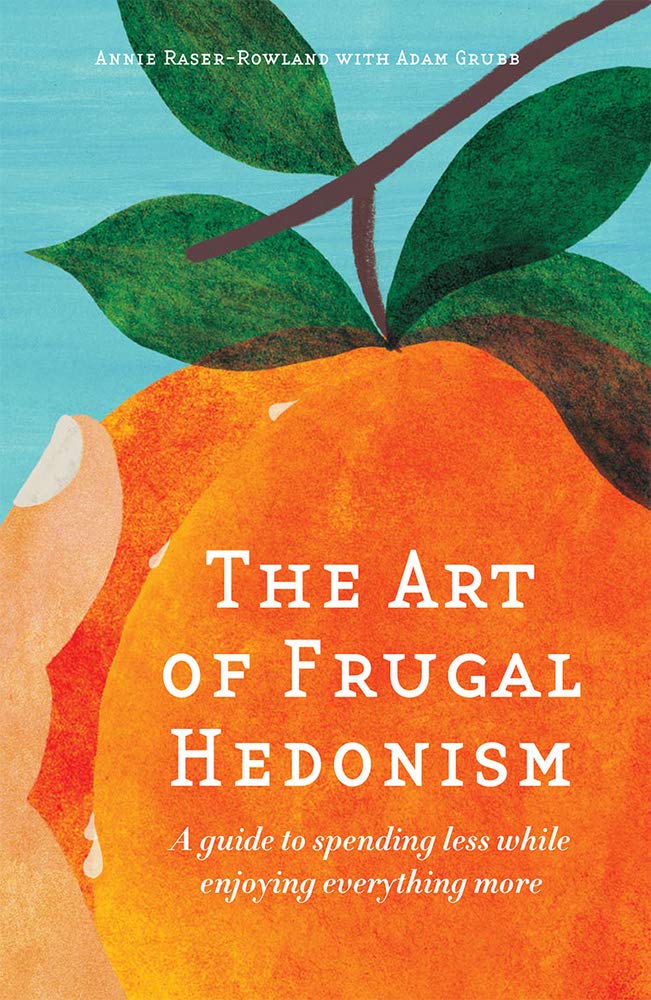
This book is great if you want to enjoy life more without spending much money.
Pros
- Offers a fresh, fun look at frugal living
- Full of practical tips mixed with humor
- Encourages enjoying simple pleasures, not just saving
Cons
- Writing style may be hard to follow for some
- Some advice works best if you like social activities
- Not much new for readers already into frugality
This book stands out because it mixes smart habits with a light, enjoyable tone. It doesn’t preach about being cheap, but instead focuses on finding happiness in small, affordable things.
The humor keeps things from feeling too heavy. Some examples are better for those who like social activities, but the core message about living well on less is pretty universal.
The writing style takes some getting used to, and if you’re already deep into frugal living, you might not find a lot of surprises. Still, it’s a good reminder that saving money and having fun can go together.
Tightwad Gazette

This book is a solid pick for anyone who wants practical money-saving tips that have stood the test of time.
Pros
- Packed with simple, doable ideas for saving money
- Covers a wide range of everyday topics
- Written in an easy, friendly style
Cons
- Some advice feels a bit old-fashioned now
- The book is quite long and dense
- Not much focus on digital or modern tools
The Tightwad Gazette feels like getting advice from someone who really knows how to stretch a dollar. Some tips, like developing film at home, are a bit dated, but most of the thriftiness still works today.
The book is huge—over 900 pages—so it can be a lot to take in. It’s better for dipping into when you need ideas or inspiration than reading straight through.
We liked the personal tone and the real stories that make the advice feel genuine. If you enjoy thrifty living and want tried-and-true ideas, this one’s a classic.
Little House Living
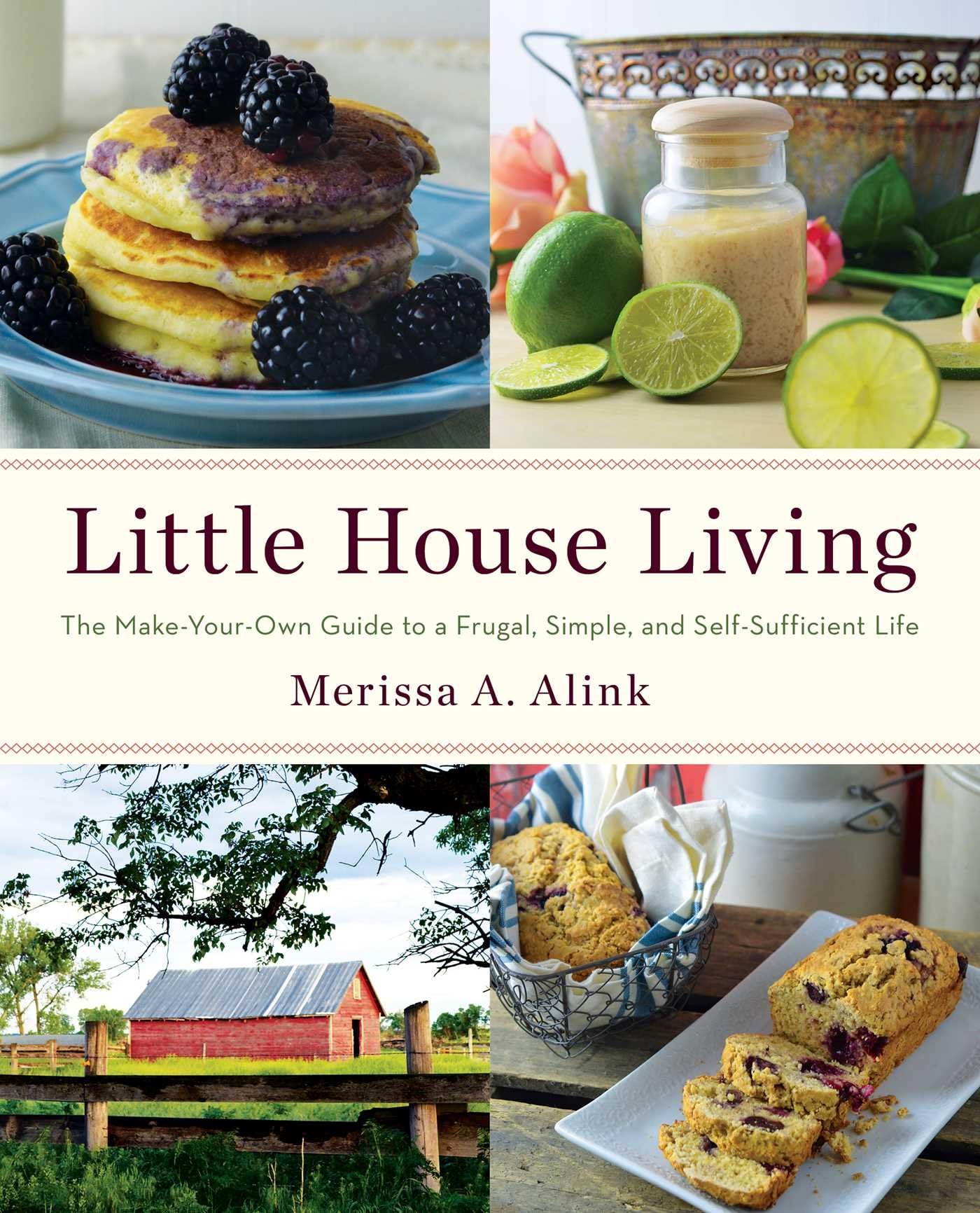
This book works well for anyone looking to save by making more things at home.
Pros
- Clear steps for DIY household products
- Includes simple recipes for meals and remedies
- Practical tips for organizing and stocking your pantry
Cons
- Some projects feel better suited for rural living
- Not every recipe fits a city lifestyle easily
- A few ideas take time to prepare or gather ingredients
This book gives lots of advice for cutting costs by making your own cleaning products, beauty items, and pantry staples. The recipes are simple and really made us rethink how much we buy versus make.
Reading it felt like a friend showing us how to get more from less. There are loads of small tips that add up over time.
Some ideas lean toward a self-sufficient lifestyle that’s easier outside the city, but we found plenty we could adapt for urban life. It’s a handy guide if you want to save money with basic DIY solutions.
Living On Almost Nothing

This book is a good pick if you want straightforward, realistic tips to cut expenses and live frugally without too much stress.
Pros
- Practical, easy-to-follow advice
- Honest and down-to-earth writing
- Useful DIY ideas, like homemade laundry soap
Cons
- Some sections could use better editing
- Food tips might not fit everyone’s lifestyle
- Short length means less depth on some topics
This book doesn’t sugarcoat living small, and the author’s humor keeps things light. The advice comes from real experience and is easy to start using right away.
The simple habits and alternatives to expensive products really stood out. We liked the DIY recipes and the energy-saving tips—anyone can try these at home.
Some parts felt a little rushed, and not every tip fit our routine, but overall it’s a clear, encouraging path for cutting costs. It’s a good fit for beginners or anyone who wants practical steps without too much fluff.
Buying Guide
When we look for a frugal living book, we want clear, practical advice we can use every day. The book should teach us how to save money without making life harder.
Ideas need to fit our lifestyle and be easy to follow. We also care about the author’s experience—if someone has lived on a budget and made it work, that earns our trust.
A good book covers different areas like budgeting, saving, and spending wisely. Some focus more on one thing than another, so it’s smart to pick one that matches your main goals.
What to Look For
| Feature | Why It Matters | Example Questions to Ask |
|---|---|---|
| Practical Tips | Helps us use the advice in real life | Are the ideas easy to try? |
| Clear Language | Makes it simple to understand | Is the book easy to read? |
| Author Background | Shows if author knows the topic well | Has the author lived frugally? |
| Budget Focus | Matches what kind of money goals we have | Does it help with saving monthly? |
| Motivation and Support | Keeps us encouraged to keep going | Does it inspire action? |
We also check if the information is up to date. Money-saving methods change, so newer books might have better solutions.
Finally, book length matters. Some folks want quick reads, others want deep dives. Pick what fits your style and time.
Frequently Asked Questions
We focus on books that explain how to save money, live simply, and manage expenses wisely. The answers below highlight top titles, practical advice, special themes, and trusted authors in frugal living.
What are the top-rated books for adopting a frugal lifestyle?
Some of the best-rated books include The Total Money Makeover by Dave Ramsey, Your Money or Your Life by Vicki Robin, and The Simple Path to Wealth by JL Collins. These books have helped many start and maintain frugal habits.
Which books offer the most practical advice for living frugally?
Books like Frugal Living for Dummies by Deborah Taylor-Hough break down cost-saving strategies into manageable steps. The Complete Tightwad Gazette by Amy Dacyczyn shares everyday tips for budgeting and stretching your money.
Can you recommend frugal living guides that include Amish philosophies?
The Amish Sustainable Life by Sally Lawrence gives a peek into how the Amish approach simplicity. It covers self-reliance and mindful spending without getting too preachy.
Are there any well-reviewed frugal living eBooks available for free download?
You can find options like The Frugal Girl by Teriann King and Frugal Living Made Easy by Susan Northrop as free eBooks. Check public domain sites or your library’s app—they pop up there pretty often.
What literature provides insights into achieving significant savings through frugality?
The Millionaire Next Door by Thomas Stanley digs into the habits of folks who quietly build wealth. It’s eye-opening to see how living below your means really adds up.
Which frugal living authors are considered experts in the field?
People often point to Dave Ramsey, Vicki Robin, and Amy Dacyczyn as top voices in frugal living. Their books and tips have earned a ton of respect for being practical and actually doable when it comes to managing money on a budget.