
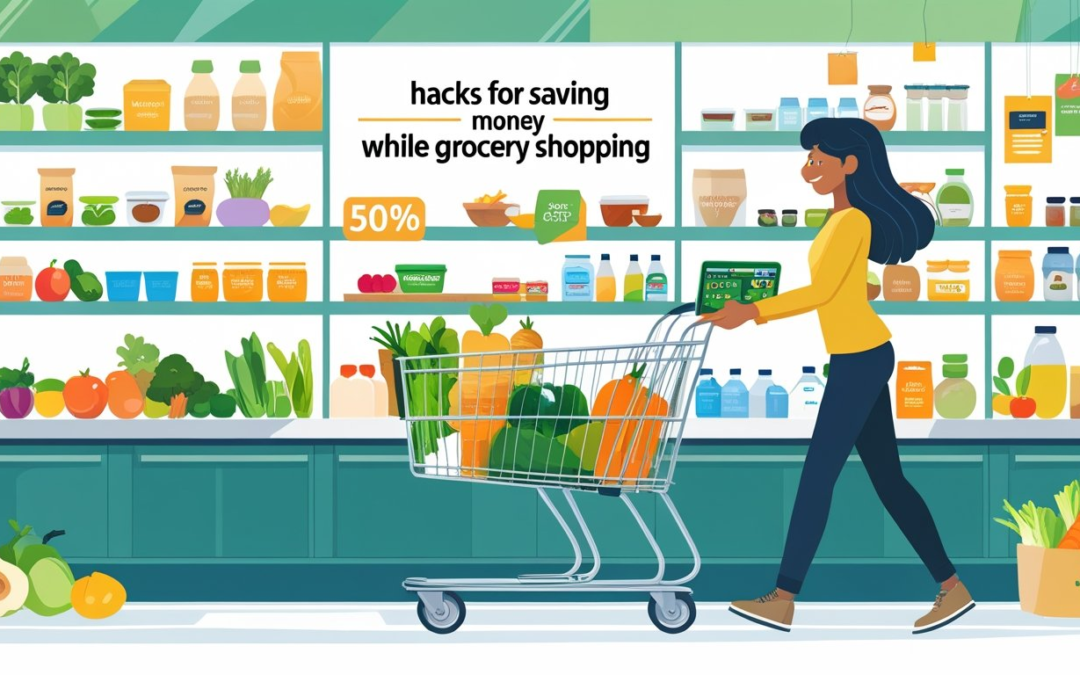
Grocery shopping costs keep rising, making it harder to stick to your budget. However, saving money while buying food is not impossible—it just takes the right approach. By planning your trips well, using discounts, and choosing smart products, you can lower your grocery bills without giving up the foods you love.
You don’t need to cut out whole categories or sacrifice quality. Small changes in how you shop, what you buy, and where you look for deals add up fast. This guide will help you shop efficiently and stretch your dollars further every time you visit the store.
With easy hacks and smart tactics, you’ll feel more in control of your grocery spending while still eating well and enjoying your meals.
Key Takeaways
- Plan your shopping to avoid impulse buys and save time.
- Use discounts, loyalty programs, and apps to get the best deals.
- Choose affordable ingredients and reduce waste to stretch your budget.
Maximize Savings With Smart Planning
Smart planning saves you money by helping you avoid impulse buys, reduce food waste, and buy only what you need. Setting clear goals before shopping gives you control over your spending and helps you make better choices for your meals.
Create an Effective Grocery List
An effective grocery list is based on what you already have and what you plan to make. Start by checking your pantry, fridge, and freezer to avoid buying duplicates or items you won’t use soon. Write down what you need for meals during the week, focusing on versatile ingredients that can be used in multiple recipes.
Organize your list by store sections like produce, dairy, and pantry items. This will keep your shopping efficient and reduce the chance of adding extra items. Use apps or notes on your phone to keep your list handy, so you’re less likely to forget key items or buy things not planned.
Set and Stick to a Grocery Budget
Decide how much money you can spend before you go shopping. Knowing your grocery budget helps you make smarter decisions and keeps you from overspending. Track your usual prices for staple items so you can spot real deals when shopping.
Stick to your budget by using cash or a separate card if possible, which limits how much you can spend. Avoid shopping when you’re hungry or distracted; this reduces impulse buying. Remember, even saving a few dollars on each trip adds up over time.
Incorporate Meal Planning and Meal Prep
Meal planning allows you to buy only what you need for the week, cutting down on food waste and extra trips to the store. Plan meals that share ingredients to stretch your budget further. For example, cook a large batch of rice or beans and use leftovers in different dishes.
Meal prepping turns that plan into action. Prepare ingredients or full meals in advance to save time and avoid last-minute takeout. Portioning meals ahead can also help control portions and prevent overeating, saving food and money. This approach keeps your shopping focused and efficient.
Leverage Coupons, Discounts, and Rewards
Using coupons, loyalty programs, and weekly sales can lower your grocery bill significantly. You can combine these discounts and plan your shopping to get the best deals.
Find and Use Coupons For Extra Savings
Look for coupons from different sources like newspapers, store apps, websites, and in-store flyers. You can use manufacturer coupons and store-specific coupons together to save more.
Keep your coupons organized by type and expiration date. This helps you use the ones that expire soon first, avoiding waste. Print coupons if you shop online or use apps that collect digital coupons for you.
Don’t feel pressured to buy items just because you have a coupon. Stick to planned purchases to avoid unnecessary spending. If you check your receipts after shopping, you may find coupons for future use on products you often buy.
Join Loyalty Programs and Use Loyalty Cards
Sign up for grocery store loyalty programs to get exclusive discounts and personalized deals. These programs often offer points or rewards that you can redeem for discounts later.
When you use your loyalty card at checkout, the system applies these savings automatically. You may also get access to digital coupons tied to your card through the store app.
Keep your loyalty card or app handy every time you shop. Some stores offer members-only specials, extra savings days, or birthday discounts. Take advantage of these offers to increase your grocery savings.
Take Advantage of Weekly Sales and Promotions
Plan your grocery trips around stores’ weekly sales, which usually start on a specific day like Wednesday. Check store circulars or apps ahead of time to find discounts on items you need.
Combine these sales with coupons and loyalty discounts to maximize savings. Look out for clearance items or special promotions on seasonal goods. Just double-check expiration dates and packaging when buying clearance products.
Keep a shopping list based on weekly deals, and be flexible with brands to get the best prices. Switching brands when one is on sale can lead to big savings without sacrificing quality.
Choose Cost-Effective Ingredients and Brands
Saving money on groceries means making smart choices about the ingredients and brands you buy. You can cut costs by picking affordable brands, buying in bulk when it makes sense, and choosing fresh produce that gives you the most value for your money.
Opt for Store Brands and Generic Products
Store brands and generic products usually cost less than name-brand items but often have the same ingredients and nutrition. Many store-brand items are made by the same manufacturers as big brands. Choosing these can save you a lot without sacrificing quality.
Look for well-reviewed store brands for staples like cereals, canned goods, and dairy. Don’t hesitate to try a new store brand—you might find it tastes just as good and fits your budget better. Also, keep an eye on loyalty programs and store apps; they often offer extra discounts on these items.
Explore Bulk Buying and Pantry Staples
Buying in bulk can be a great way to save, but only when you know you can use or store the items before they go bad. Staples like rice, pasta, beans, oats, and frozen vegetables are perfect for buying in larger quantities. These items last long and form the base for many meals.
To avoid waste, plan how much you really need before making a bulk purchase. Freeze what you won’t use right away. Bulk buying works best for non-perishables and items you use regularly.
Select Seasonal Produce for Better Value
Shopping for fruits and vegetables that are in season helps you get fresher, better-quality produce at a lower price. Seasonal items are harvested when they’re ripe and abundant, so stores pass the savings on to you.
Plan your meals around what’s in season. For example, buy root vegetables and citrus in winter, and berries and tomatoes in summer. You’ll get more flavor and nutrition, and your wallet will thank you. If fresh produce is too pricey, frozen or canned versions of seasonal fruits and vegetables can offer good nutrition at a lower cost.
Shop Strategically in Store
Saving money at the grocery store starts with smart choices once you’re inside. You can cut costs by focusing on prices per unit, avoiding extra items you don’t need, hunting for clearance deals, and using cash instead of cards. Small changes in how you shop add up fast.
Compare Unit Prices and Avoid Impulse Purchases
Always check the unit price on items, not just the total price. This shows the cost per ounce, pound, or liter and helps you spot the best deal. Larger packages aren’t always cheaper per unit, so compare closely.
To avoid impulse purchases, stick to your shopping list. Impulse buys often come from flashy displays or end caps. Try shopping alone when possible and avoid shops when you’re hungry, as both increase the chance of unnecessary spending.
Shop the Clearance Section and Discount Grocers
Look for bargains in the clearance section where stores mark down items near their expiration date. You can save a lot on fresh produce, dairy, or snacks this way. Make sure you plan to use these items quickly.
Discount grocers like Aldi sell many products at lower prices by cutting costs on packaging and store design. Shopping at these stores for basics like bread, milk, and canned goods can stretch your budget without lowering quality.
Bring Reusable Bags and Shop With Cash
Using reusable bags may save you a few cents per trip where stores charge for plastic bags. It also helps you avoid last-minute buys just to use a free bag.
Shopping with cash forces you to stick to a budget. When you see only a limited amount in your wallet, you’re less likely to add extra items at checkout. It helps control spending better than using cards with credit or debit limits.
Reduce Food Waste and Stretch Your Budget
To keep your grocery bills low, focus on using what you already have before buying more. You can save money by carefully checking your pantry and freezer, choosing frozen foods wisely, and growing herbs yourself. These simple steps help you avoid waste and make your groceries last longer.
Shop Your Pantry and Freezer First
Before going shopping, look through your pantry and freezer to see what food you already have. Using these items first means you won’t buy duplicates that might spoil before you use them. Make a habit of creating meals around what’s already in your kitchen.
Check expiration dates and organize your pantry so older items get used first. This prevents food waste and saves money by reducing impulse buys. Keep track of small items like spices and sauces too. When you build your grocery list, only add what’s truly missing.
Buy and Use Frozen Foods
Frozen foods are often cheaper than fresh ones and last much longer. You can stock up on frozen vegetables, fruits, and meats to save money and reduce waste since you use only what you need.
Frozen produce is picked and frozen at peak ripeness, so it retains nutrients and flavor. This makes it a smart choice for meals any time of year. Keep frozen stock organized, and label leftovers before freezing to avoid throwing them away later.
Grow Your Own Herbs at Home
Growing herbs like basil, parsley, or rosemary at home can cut down your grocery bills. Fresh herbs bought at the store often spoil quickly and lead to waste if not used right away.
By having your own herb plants, you can harvest small amounts whenever you need them. This means no leftovers go bad and your dishes get fresh flavor every time. Start with easy herbs in small pots on your kitchen windowsill. It’s low cost and reduces the need to buy herbs frequently.
Use Technology and Digital Tools To Save
You can cut your grocery bills by using apps and digital services that offer cashback, discounts, and easy shopping features. These tools help you track deals, earn rewards, and even get groceries delivered without extra trips to the store.
Utilize Cashback Apps Like Ibotta
Cashback apps like Ibotta give you money back on everyday grocery purchases. You start by browsing available offers on the app before shopping. After buying qualifying products, you upload your receipt or link your store loyalty card to get cashback.
Ibotta focuses on specific brands and items, so check for deals on things you usually buy. The app often adds bonuses for completing multiple offers or referring friends, which boosts your savings. You can withdraw your earnings through PayPal or gift cards once your balance reaches a minimum amount.
Using cashback apps regularly can add up to noticeable savings over time, helping you spend less without changing your shopping habits.
Try Grocery Delivery and Store Apps
Many grocery stores have their own apps that provide digital coupons, personalized discounts, and easy shopping lists. These apps often include loyalty programs that track your purchases and offer special deals on items you buy frequently.
Ordering groceries for delivery through these apps saves time and helps you avoid impulse buys. Delivery fees can sometimes be waived when you meet a minimum order amount or subscribe to a membership service. Additionally, delivery lets you stick strictly to your planned list, preventing overspending on convenience items.
By combining store apps with delivery options, you make grocery shopping simpler and more cost-effective.
Smart Nutrition and Healthy Shopping Tips
Saving money while grocery shopping doesn’t mean you have to sacrifice nutrition. You can prioritize healthy choices, find fresh deals, and cut costs by limiting certain items. These strategies help you shop smarter for your family’s wellbeing and your wallet.
Focus on Nutritional Value When Shopping
Look for foods that offer the most health benefits for the cost. Prioritize whole foods like fruits, vegetables, beans, and grains over highly processed items. Choose heartier greens such as kale or chard instead of delicate lettuces that spoil quickly.
Buying frozen or canned fruits and vegetables often costs less but still provides good nutritional value. Be selective with organic items; focus on those on the “Dirty Dozen” list where pesticides are common, but don’t feel you have to buy all produce organic.
Use unit prices to compare options and get the best deal for the nutrition you need. Avoid foods with added sugars, salt, or unhealthy fats. Stick to your list so you don’t splurge on lower-nutrient snacks.
Shop at Farmers Markets for Fresh Deals
Farmers markets can offer fresh produce at better prices, especially when you buy in season. You get direct access to local growers, which helps you avoid extra costs from middlemen and packaging.
Check for discounts near closing time when sellers want to clear stock. You can sometimes find smaller quantities of high-quality items, so you only buy what you need and reduce waste.
Shopping local supports your community and often means fresher food, which keeps longer and tastes better. Bring your own bags and cash or small bills to speed transactions and avoid unnecessary fees or overspending.
Limit Prepared Foods to Save
Prepared foods are convenient, but they come with a higher price and often extra additives. Cooking from scratch usually saves money and lets you control ingredients, improving nutrition.
Try to avoid ready-made meals, pre-cut vegetables, and packaged snacks. Instead, buy whole vegetables, grains, and proteins, and prepare them yourself. It takes a bit more time but pays off in savings.
If you want convenience, prep your own ingredients in bulk. For example, cook large batches of chicken or rice and store portions in the fridge or freezer. This way, you get quick meals without the markup that ready-made foods come with.
Frequently Asked Questions
You can lower your grocery bills by planning carefully, choosing the right stores, and using tools that track sales and discounts. Smart budgeting and knowing what to buy in bulk also help stretch your food dollars without cutting quality.
What are effective strategies for reducing your grocery bill?
Make a detailed shopping list and stick to it to avoid impulse buys. Shop less often but buy more in each trip to reduce extra spending. Choose store brands instead of name brands, and focus on items with less packaging to keep costs down. Buying frozen or canned fruits and vegetables can save money, and picking hearty greens helps reduce waste.
How can couponing significantly lower the cost of groceries?
Using coupons for products you regularly buy cuts your total cost. Clip digital or paper coupons before shopping, but avoid buying items just because you have coupons if you won’t use them. Combining coupons with store sales or loyalty programs boosts your savings even more.
Can shopping at stores like Walmart save you money on groceries, and if so, how?
Yes, stores like Walmart often offer lower prices on staple foods and household items due to their large buying power. Shopping at these stores can save you money if you compare prices and buy store brands. Look for weekly deals and clearance items to get better discounts.
Is it possible to save money on groceries when shopping for just one person?
You can save by buying smaller portions or using bulk bins to get only the amount you need. Using a basket instead of a cart helps control how much you buy. Planning meals carefully and focusing on versatile ingredients prevents food waste and extra spending.
What mobile apps are recommended for saving money on grocery purchases?
Many grocery stores have their own apps with digital coupons and sale alerts. Apps like Ibotta and Rakuten offer cashback on purchases. Using these apps can help you find discounts and track your spending habits to better manage your budget.
How does the 50/30/20 budgeting rule apply to grocery spending?
The 50/30/20 rule means you allocate 50% of your income to needs, including groceries. To keep your grocery spending in this category, prioritize essential items and avoid unnecessary extras. Tracking expenses within this limit helps keep your overall budget balanced.