
Managing money gets tricky when your paycheck isn’t predictable. If you’re freelancing, your income can swing wildly from one month to the next, so planning a budget isn’t just helpful—it’s sort of essential.
You’ve got to find a money management style that actually fits this rollercoaster kind of work. Otherwise, you’re just guessing.
If you know how to budget, you’re more likely to stay financially stable even when your income jumps around. Here are five tips to help you manage your money and keep stress at bay.
With a few smart moves, you can take charge of your finances and get back to focusing on your actual work.
1) Track all income and expenses meticulously to understand your financial flow.
Keep a sharp eye on every dollar coming in and going out. If you don’t track it, you’re just making it up as you go.
Write down all your income, whether it’s from clients, side gigs, or random one-offs. For expenses, record everything—big bills or tiny splurges—because it all adds up.
Apps and spreadsheets can make this way less painful. They’ll help you sort and categorize things fast, so you don’t have to dig through receipts later.
When you track things regularly, patterns start to pop out. You can tweak your budget before things get off track.
Consistency here really pays off. You’ll see your money flow clearly, which is a lifesaver when it comes to planning taxes, saving, or investing in your business.
2) Create a budget that prioritizes essentials, taxes, and savings

Split your income into clear chunks. The 50/30/20 rule is a solid starting point—half your money goes to essentials like rent and groceries.
Don’t forget taxes. Set aside about 25-30% for them, and just pretend that money isn’t yours. It saves you from nasty surprises later.
Use the last 20% for savings and paying down any debt. An emergency fund helps you stay afloat during lean months.
Check your budget often, because freelance income can change in a flash. Adjust your spending and saving as needed.
Keeping things flexible means you’re less likely to get caught off guard.
3) Set up a separate savings account dedicated to tax payments and emergencies.
Freelance income can be a bit of a wild card. Open a savings account just for taxes, and stash away a set percentage of each payment.
This way, when tax season rolls around, you’re not scrambling. It’s honestly a relief.
You’ll want another account just for emergencies—aim for three to six months’ worth of living expenses. Keeping it separate helps you resist the urge to dip into it for random stuff.
Look for accounts with low fees and at least a little interest. If you automate your deposits, you’ll barely notice the money leaving.
Over time, you’ll build a cushion for unexpected costs and keep your finances steadier.
4) Use invoicing tools like FreshBooks to manage payments and cash flow
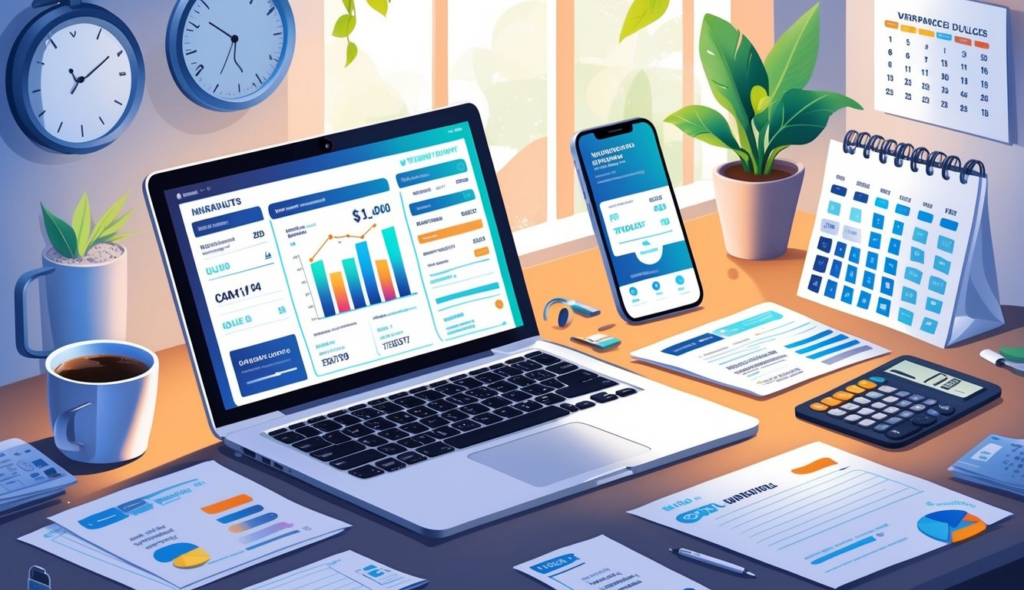
Invoicing tools like FreshBooks make it so much easier to stay on top of who owes you what. You can whip up invoices fast and send them out without hassle.
They’ll even ping your clients with reminders, so you don’t have to. That’s a relief, especially if you hate chasing payments.
You get a dashboard showing what’s paid and what’s overdue, which makes it easier to plan your budget. Some apps even track expenses and create reports for you.
Automating this stuff means fewer mistakes and less time wasted. You can focus on your actual work instead of paperwork.
Honestly, using professional invoicing software just makes freelance life smoother. It keeps cash flowing and headaches to a minimum.
5) Plan for slow months by building an emergency fund covering at least three months.
Freelance income can be all over the place. Some months, work dries up or payments lag behind.
That’s where an emergency fund comes in. Try to save enough to cover at least three months of regular expenses.
This stash gives you breathing room when things slow down. You can pay bills and buy groceries without panicking.
Start small if you have to. Just set aside something every month, and keep it in a separate, easy-to-access account.
Don’t tie this money up in investments or accounts with withdrawal limits. You want to get to it fast if you need it.
It takes time to build up, but it’s one of the best things you can do for your peace of mind.
Common Budgeting Challenges for Freelancers
Freelancers deal with wild swings in income and expenses. Honestly, it’s tough to keep a budget steady when things change so much.
You’ve got to be ready for slow months and random costs that pop up out of nowhere.
Irregular Income Fluctuations
Freelance income is rarely steady. Some months, you might rake it in; other times, you’re scraping by.
This makes it hard to plan spending or save consistently. You never really know what’s coming next.
Track your income closely, and stash away extra cash when work is good. Set a minimum income goal to help decide how much to save.
Keep your business and personal money separate. It’s easier to see what you can actually spend without putting yourself at risk.
Unpredictable Expenses
Freelancers often face surprise expenses—maybe it’s new software, health insurance, or a tax bill you didn’t expect.
These things can throw off your budget fast. Make a list of both regular and irregular expenses so you’re not blindsided.
Plan ahead for big yearly costs, like taxes or equipment upgrades. Always keep an emergency fund with at least three months of expenses.
Accounting software can help you track all this, so you know where your money’s going. It’s not glamorous, but it works.
Tools and Resources to Support Freelancer Budgeting
There’s no shortage of tools out there to help you organize your money. The right ones can make tracking expenses and prepping for taxes way less painful.
You get more time back, and your budget stays clearer.
Budgeting Apps for Freelancers
Budgeting apps let you track spending, set goals, and keep your budget on track. YNAB (You Need A Budget) uses a zero-based approach, so every dollar has a job.
You’ll divvy up your income for specific needs, which helps prevent overspending. PocketGuard is great if you want to know how much you can spend after bills.
If you travel a lot or need quick expense reports, Expensify is user-friendly and fast. Some apps, like FreeAgent and Buxfer, are made for freelancers and cover both business and personal finances.
Financial Planning Software
Financial planning tools go beyond just budgeting. They help with taxes, invoicing, and forecasting.
FreeAgent is pretty popular among freelancers because it combines bookkeeping, tax tracking, and invoicing in one spot.
Some software even reminds you about tax deadlines or estimated payments. Since freelancers don’t get taxes withheld, this is a big help.
Pick software that fits how you work. It’ll help you prep for slow months or save for big expenses, which keeps things steadier.
Frequently Asked Questions
Freelancers need to track income and expenses closely. Budget for essentials, taxes, and savings, and use tools to stay organized.
It’s smart to build an emergency fund for those months when work dries up.
What are the essential steps in creating a budget for freelance work?
Track every dollar you make and spend. List your must-haves—housing, utilities, groceries, and work costs.
Set aside money for taxes and savings too. It keeps you from getting caught off guard and helps build financial security.
How can freelancers effectively manage irregular income for budgeting?
Save up an emergency fund that covers at least three months of expenses. This way, you’re not sweating it during slow periods.
Base your budget on your lowest expected income. It’s safer that way.
What tactics can freelancers employ to ensure financial stability?
Open separate bank accounts for personal and business use. It makes tracking and saving for taxes way simpler.
Update your budget regularly to match any changes in income or expenses. Staying on top of it keeps things manageable.
What tools or apps are recommended for freelancers to track their budget?
Try invoicing and accounting tools like FreshBooks or QuickBooks. They help you manage payments and keep tabs on expenses.
Budgeting apps like YNAB or Mint also make expense tracking and planning a breeze.
How often should freelancers review and adjust their budget?
Check your budget every month. Tweak it for any new income, expenses, or savings goals.
Keeping it fresh helps you stay ready for whatever comes your way.
What strategies should freelancers use to save for taxes and retirement?
Honestly, it helps to open a separate savings account just for tax payments. Every time you get paid, toss a set percentage into that account.
For retirement, think about starting something like an IRA or maybe a Solo 401(k). That way, you’re building up long-term savings bit by bit, without having to stress every tax season.