
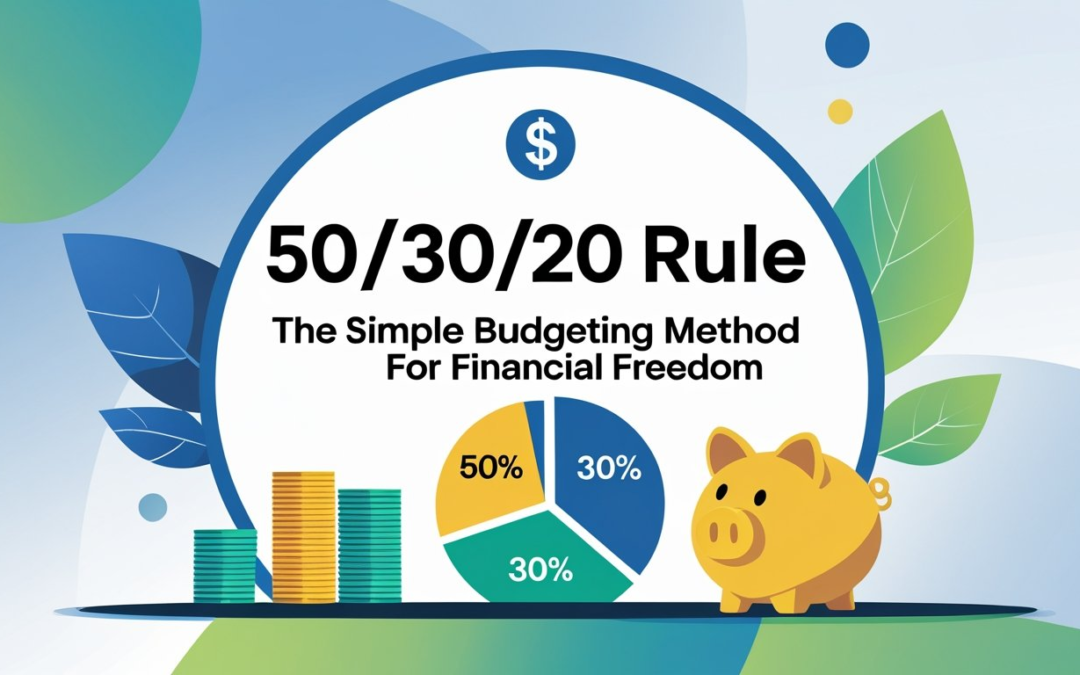
If you’re craving a way to get a grip on your finances, the 50/30/20 rule might be worth a shot. This method splits your after-tax income into three buckets: 50% for essentials, 30% for wants, and 20% for savings and debt repayment.
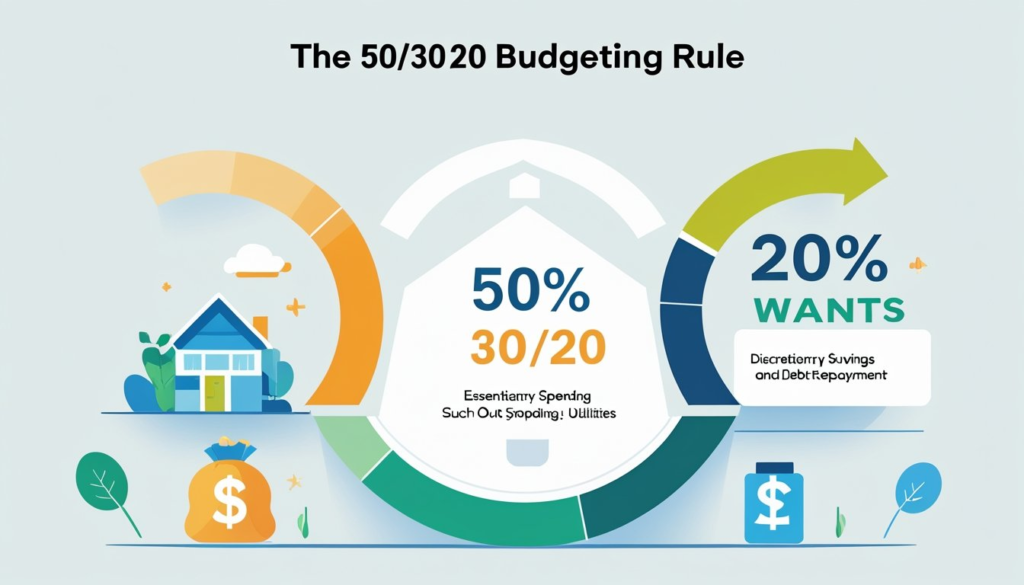
Setting clear limits on your spending can make it way easier to avoid debt and keep saving. The 50/30/20 rule is simple enough for beginners, but it’s also flexible if your situation changes.
- Put half your income toward essentials like rent and bills.
- Spend 30% on things that make life more enjoyable.
- Use 20% for savings or paying down debt to build security.
What Is the 50/30/20 Rule?
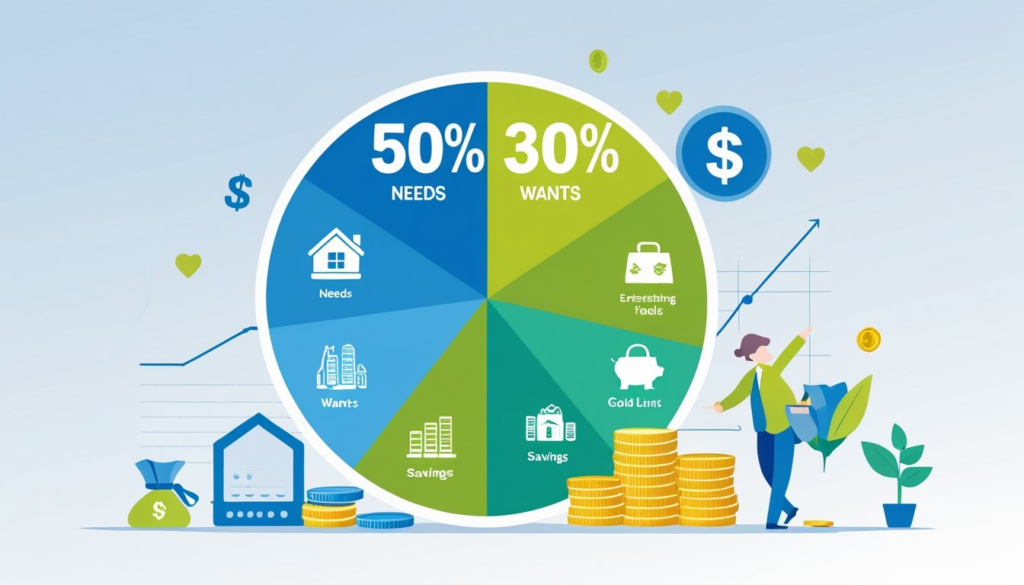
The 50/30/20 rule splits your after-tax income into three parts: needs, wants, and savings. This breakdown helps you manage spending and build savings without tracking every single cent.
It’s a practical guide for handling your money and setting goals, and honestly, it makes budgeting feel less intimidating.
Origins and Philosophy
U.S. Senator Elizabeth Warren popularized the rule in her book All Your Worth. She drew on her background in consumer finance and teaching financial literacy.
The idea is to offer a simple method to balance living expenses, lifestyle choices, and financial security. It’s not about being perfect—just finding some balance between covering needs, having fun, and saving for later.
How the Percentage Split Works
Here’s how the 50/30/20 rule breaks down your after-tax income:
- 50% for Needs: Essentials like rent, utilities, groceries, insurance, and minimum debt payments.
- 30% for Wants: Non-essentials—dining out, hobbies, vacations, entertainment.
- 20% for Savings: Emergency fund, retirement, investments, or extra debt payments.
You cover needs first to keep life running. Wants come next, so you don’t feel deprived. Savings round out the mix, building your safety net and future nest egg.
Why This Budgeting Strategy Is Effective
The 50/30/20 rule sticks because it’s easy and adaptable. You don’t need fancy spreadsheets or complicated math—just set percentages and go.
It nudges you to save consistently and keeps essentials from eating up your whole paycheck. If your cost of living shifts, you can tweak the numbers. That flexibility is honestly a lifesaver.
Understanding Needs: The 50% Category
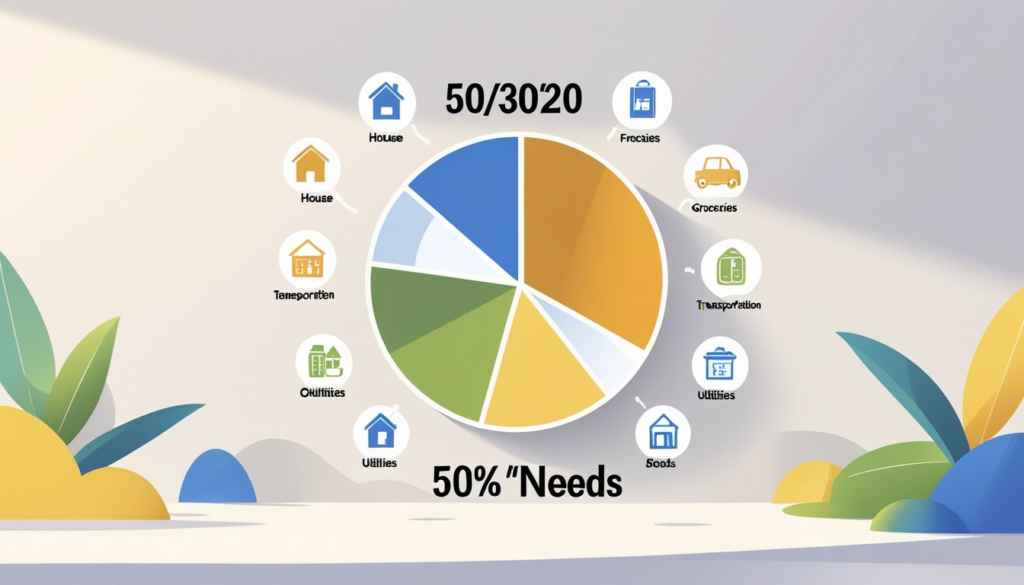
Half your after-tax income should go to essentials that keep your daily life steady. These are things like housing, utilities, food, insurance, and required debt payments.
When you manage this category well, you cover what you have to pay each month without putting your finances at risk.
Defining Essential Expenses
Essentials are the costs you can’t avoid. They cover basic living needs—think housing, food, and insurance.
Mortgage or rent, utilities, groceries, health insurance, and minimum debt payments all count here. Skip stuff like eating out or new clothes in this section.
Keep an eye on these expenses. Knowing what you spend helps you stick to that 50% and avoid stress down the line.
Housing Costs and Utilities
Housing usually eats up the biggest chunk of the 50%. That’s your rent or mortgage, plus property taxes if you own.
Utilities are essential too—electricity, gas, water, anything that keeps your place livable. These aren’t optional, so they belong in this category.
Try to keep housing costs reasonable compared to your income. If they’re too high, everything else gets squeezed.
Groceries and Insurance
Groceries cover your daily nutrition and household basics. Budget enough for healthy food, but don’t go overboard on extras.
Health insurance is a must. Add basic auto or renters insurance if you need it.
Both groceries and insurance are pretty predictable, so planning for them helps you avoid nasty surprises.
Minimum Debt Payments
Minimum debt payments include credit cards, student loans, or other monthly debts. Paying on time protects your credit and keeps fees away.
Only the minimum counts here—extra payments go in the savings or debt repayment category.
Including these payments in needs makes sure you don’t miss them or hurt your credit score.
Managing Wants: The 30% Allocation
You’ve got 30% of your income for wants—basically, the fun stuff that isn’t essential. Spending here lets you enjoy life, but you’ve got to keep it in check.
Distinguishing Wants From Needs
It’s key to separate wants from needs. Needs are things like rent and groceries; wants are extras, like gadgets or streaming services.
Ask yourself: will skipping this expense mess up my basic life, or is it just nice to have? That question helps keep your budget on track.
Entertainment, Dining Out, and Shopping
Entertainment, eating out, and shopping all fit in the wants category. Maybe you love streaming TV, grabbing dinner with friends, or picking up new shoes.
Set limits for each area. Prioritize what matters, and trim what doesn’t. Otherwise, it’s easy to blow the whole 30% without even realizing it.
Travel, Hobbies, and Vacations
Bigger wants—like travel or hobbies—need planning. Save up for these instead of splurging and risking debt.
Split your wants money between everyday treats and saving for bigger adventures. That way, you get both short-term fun and something to look forward to.
Saving and Debt Repayment: The 20% Commitment
Dedicate 20% of your income to saving and paying down debt. This is your safety net and your ticket to future freedom.
Prioritizing Savings and Investments
Start by putting part of your 20% into savings for short- and long-term goals. Maybe you’re eyeing a down payment or want to invest for the future.
High-yield savings accounts or mutual funds can help your money grow. The main thing is to make saving a habit, even if you start small.
Building an Emergency Fund
An emergency fund is a must. Aim for at least three months of living expenses—rent, utilities, groceries—set aside for surprises like job loss or medical bills.
Keep this fund separate from other savings. Automate contributions and rebuild it fast if you have to dip in.
Debt Reduction and Financial Goals
Use some of the 20% for extra debt payments, especially on high-interest stuff like credit cards. Paying more than the minimum knocks out debt faster and saves money on interest.
Balancing debt and savings isn’t always easy. If you’re unsure, focus on high-interest debt while still saving a little. Less debt means better credit and more freedom down the road.
Retirement Savings Strategies
Put some of your 20% toward retirement. Use IRAs or a 401(k) if your job offers one—take the match if you can. The earlier you start, the more you benefit from compounding.
Estimate what you’ll need for retirement, but don’t stress if you have to start small. Just keep at it and bump up contributions as you earn more or pay off debt.
Step-by-Step Guide to Implementing the 50/30/20 Rule
Start by figuring out your take-home pay after taxes. Then, split it into three buckets: essentials, personal spending, and savings or debt repayment.
Finally, track your spending and use tools (apps, spreadsheets, or even a notebook) to make saving easier and automatic. It’s not glamorous, but it works.
Calculating After-Tax Income
First, find your total income after taxes. That’s your paycheck minus deductions for taxes, Social Security, and Medicare.
Use your pay stub or bank statements to get the real number. Only count what actually lands in your account.
If your income isn’t steady, average it out. The clearer you are on this, the easier it is to budget.
Allocating Income Properly
Divide your after-tax income into three parts:
- 50% for needs: Essentials like rent, utilities, groceries, insurance, and minimum debt payments.
- 30% for wants: Extras—dining out, hobbies, entertainment, vacations.
- 20% for savings and debt repayment: Emergency fund, extra debt payments, retirement, investments.
Be honest about what’s a want and what’s a need. If one category’s too high, tweak your spending, but try to stick close to the percentages.
Tracking and Adjusting Your Budget
Track your income and expenses regularly—whatever method works for you. Check in at least once a month.
If you go over in one area, cut back somewhere else. Adjust as your income or expenses shift, but keep your big goals in mind.
Spotting unnecessary spending is half the battle. Make tweaks as you go, and your habits will improve naturally over time.
Automation and Financial Tools
Set up automatic transfers from your checking account to savings or investments. This way, you don’t have to remember to move money every time—you just save, like clockwork.
Try out digital budgeting apps to monitor your spending, sort your expenses, and get alerts when you’re close to overspending. These apps make it easier to keep tabs on your budget and stick to the 50/30/20 rule without much hassle.
When you automate your savings, you’re more likely to hit your goals. It’s just less mental work, honestly.
Adapting the 50/30/20 Rule to Different Situations
Your budget should actually serve your life, not the other way around. If your income changes a lot or your living costs are sky-high, tweak the 50/30/20 rule so your finances stay balanced.
Sometimes, you’ll need new tricks if you’re struggling with overspending. That’s just reality.
Handling Irregular Income
If your income swings from month to month, those neat percentages get tricky. Try averaging your last few months’ earnings to set your limits, so you’re not caught off guard.
Split your cash into separate accounts or even old-fashioned envelopes—one for needs, one for wants, and one for savings. Drop the right amount in each based on your average income.
Zero-based budgeting can really help here. You give every dollar a job, so your income minus your expenses hits zero, and you’re not left wondering where your money went.
Keep a close eye on your spending. It’s not glamorous, but it’s how you stay steady when your paychecks aren’t predictable.
Living in High Cost of Living Areas
In expensive cities, 50% for needs might not cut it for rent and bills. Sometimes, you’ll have to bump that up to 60% just to make it work.
To keep things balanced, shrink your wants category to 20% or even less. Still, try to save at least 20% so you don’t stall on your emergency fund or debt payments.
Envelope budgeting can help you control what you spend on non-essentials. It’s a bit old-school, but cash in envelopes is hard to ignore when it’s gone.
Addressing Overspending and Challenges
Overspending usually creeps in when wants start looking like needs or eat into savings. Track every expense and get strict about what counts as a need versus a want.
If you can’t seem to rein in your spending, give zero-based budgeting a shot. Assign every dollar a job before you spend, and you’ll notice those impulse buys dropping.
Set up automatic transfers for savings and debt payments, so your money goes where it should before you get tempted to spend it.
It’s all about finding a balance that works for you. Stay flexible, and don’t be afraid to revisit your plan when things shift.
Frequently Asked Questions
Here’s where you’ll figure out how to start with the 50/30/20 rule, how it stacks up against other budgeting styles, and see some real-life examples. You’ll also get a sense of when this rule doesn’t quite fit, which tools can help, and how to tweak the approach if you need to.
What are the steps to implement the 50/30/20 budget rule for beginners?
Start by figuring out your after-tax income. Split it up: 50% for needs, 30% for wants, and 20% for savings or debt payments.
Track your spending and make sure it lines up with these percentages. Adjust as you go to stay on target.
How does the 50/30/20 rule compare to other budgeting methods like the 40-30-20-10 rule?
The 50/30/20 rule keeps it simple with three categories and clear percentages. The 40-30-20-10 rule divides your income into four buckets, often adding giving or investing as a separate slice.
If you’re just starting, the 50/30/20 rule is usually easier to follow. Other methods might give you more detail if you like being really specific.
Can you provide an example of how to allocate expenses using the 50/30/20 rule?
Let’s say you bring home $3,000 after taxes each month. You’d put $1,500 toward needs like rent and groceries, $900 for wants like eating out or hobbies, and $600 for savings or debt payments.
Under what financial circumstances might the 50/30/20 rule not be an ideal budgeting method?
If your basic needs eat up more than half your income, this rule gets tough to follow. It can also fall short if your income is unpredictable or you’re dealing with a ton of debt.
Sometimes you just need a budget that’s a little more flexible—one you can adjust as needed.
What are some tools or apps that can assist with the 50/30/20 budgeting rule?
Apps like Mint, YNAB (You Need A Budget), and PocketGuard help you track spending and keep your budget organized. They make it easier to see your needs, wants, and savings in real time, which is honestly pretty handy.
How can I adjust the 50/30/20 rule if it doesn’t seem to fit my income and expense structure?
You can tweak the percentages to match your own situation. If your needs eat up more of your budget, maybe go with 60% for those and trim the wants category.
Savings should still matter, even if you have to start small. As your finances shift, just keep adjusting things—there’s no one-size-fits-all here.